

 Preview
 Send
Send Share
Share
 Details

 Download
 Similars
 X-Ray
X-Ray Diaporama
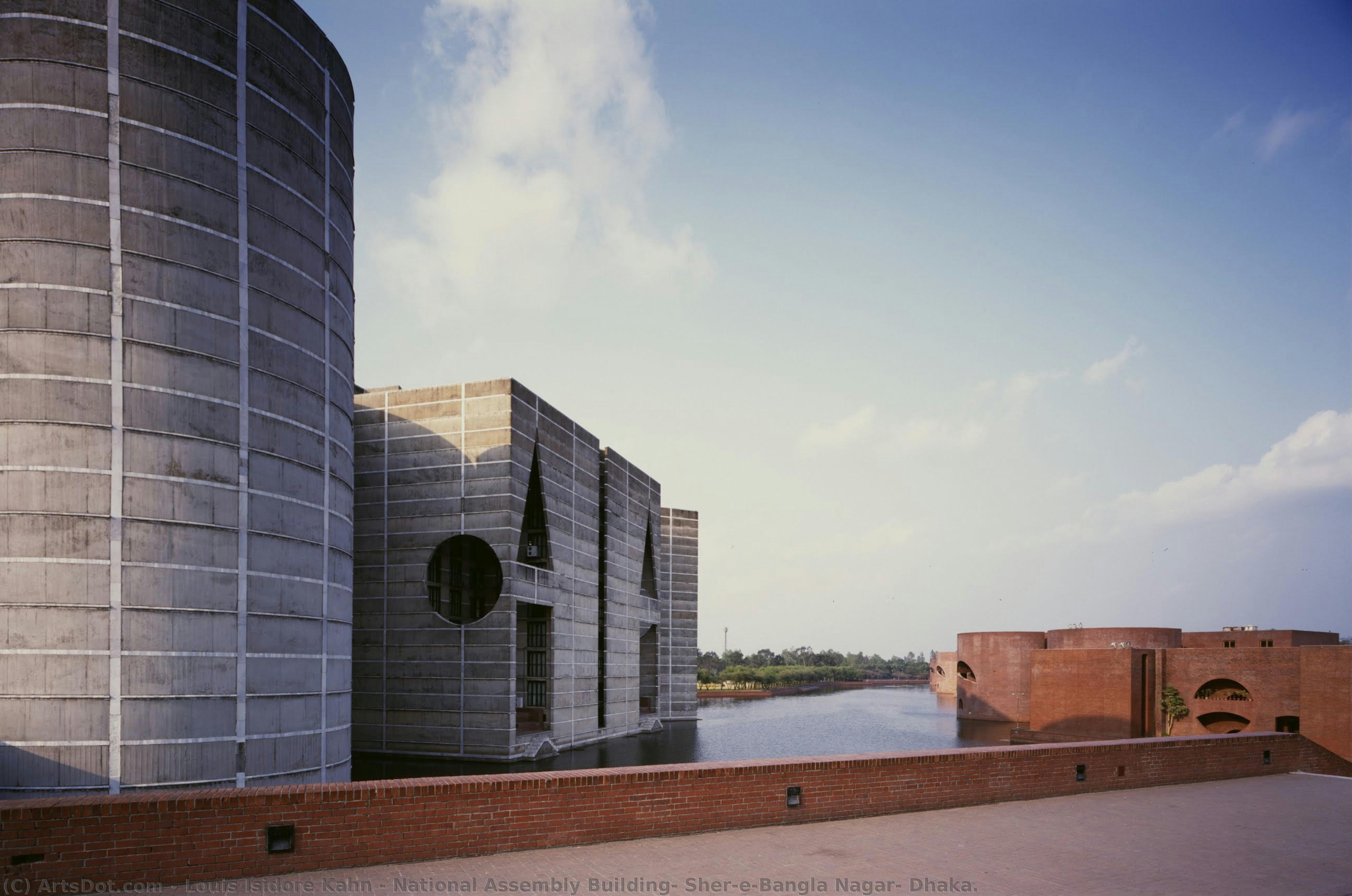
National Assembly Building, Sher-e-Bangla Nagar, Dhaka.


 Read More
Purchase a high-resolution, enhanced digital image, far superior to the online preview.
Each file is meticulously prepared by our in-house specialists using advanced tools and expert manual retouching. We ensure every image has exceptional clarity, precise color accuracy, and fine detail.
The final file is delivered via email within 72 hours, optimized for immediate use in professional, editorial, and print environments. This is the same quality trusted by top-tier design studios, publishers, and galleries.
Digital Image
Download a high-resolution file for personal display, printing, and creative projects. ( Buy Print Buy Hand Made Painting)
Included in Every Digital Image Order
Expert Digital Delivery, Guaranteed
When you choose ArtsDot.com, you're not just getting an image - you're receiving a professionally enhanced digital artwork, crafted with precision and backed by a satisfaction guarantee. Here's everything that comes with your order, automatically:

Fast Email Delivery
Your high-resolution digital image file will be emailed to you within 72 hours of ordering - ready for immediate use.

AI-Enhanced Digital File
Your artwork is professionally optimized using advanced AI tools and manual editing, ensuring maximum detail, clarity, and color accuracy.

Free Lifetime Re-Delivery
Accidentally deleted or lost your file? No worries - we'll resend it to you anytime, free of charge.

No Import Fees - Ever
Enjoy your artwork instantly with zero customs, duties, or delivery fees - digital downloads are always tax-free.

Color Accuracy Guarantee
We ensure your digital image reflects the original colors as closely as possible using professional tools and color management.

60-Day Satisfaction Guarantee
If you're not satisfied with your digital image, we'll revise it or refund 100% within 60 days - no questions asked.

100% Money-Back Guarantee
Not satisfied? Get a full refund within 60 days of receiving your digital file - no questions asked.

Bulk Order Discounts
Buy 3 images, save 10% - Buy 5, save 15% - Buy 10+, save 20%. Great for creative projects, galleries, and agencies.
Related Artworks




Artist Biography
Louis Isadore Kahn (1901–1974): The Poet of Concrete
Louis Isadore Kahn (Leiser-itze Schmuilowsky), born February 20, 1901, in Kuressaare, Estonia—a town nestled on the Baltic Sea island of Saaremaa—was an Estonian-born American architect whose singular vision profoundly shaped the landscape of modern architecture. His life’s trajectory was marked by a formative encounter with light and fire as a young boy, experiences that would indelibly imprint upon his artistic sensibility and inform his lifelong preoccupation with materiality and form. Despite facing considerable hardship during his early years—his family endured poverty and frequent relocations—Kahn possessed an innate talent for drawing from childhood, sketching charcoal lines with improvised tools like burnt twigs and matches. This passion for visual expression propelled him through his education, securing a scholarship to Philadelphia’s Central High School and ultimately leading him to pursue architecture at the University of Pennsylvania under the tutelage of Paul Philippe Cret—a teacher who instilled in Kahn a reverence for classical proportions and restraint.- Early Life & Education: Kahn's formative years were spent amidst the industrial landscape of Northern Liberties, Philadelphia, where he honed his artistic skills alongside fellow Central High School graduate Norman N. Rice. Cret’s influence extended beyond aesthetics; he championed a distinctive approach to architectural design—one rooted in dignity and restraint—that would resonate throughout Kahn’s career.
- Architectural Practice & Early Works: Following graduation, Kahn embarked on his professional journey, initially working for City Architect John Molitor and later joining the practice of theater designer William H. Lee. These early commissions exposed him to diverse architectural styles, including the International Style championed by Le Corbusier—a style that would serve as a springboard for Kahn’s own groundbreaking explorations.
Monumental Form & Brutalist Philosophy
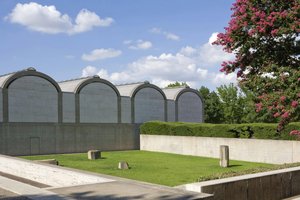
Kahn's architectural philosophy emerged from a profound engagement with ancient ruins, particularly those of Greece and Egypt. Inspired by the monumental scale and austere beauty of these sites—where light played upon stone surfaces in ways that evoked timelessness—he developed a distinctive aesthetic characterized by massive concrete structures devoid of ornamentation. This “Brutalist” approach—named after the British architectural critic Reyner Banham—rejected decorative embellishments, prioritizing structural integrity and elemental materiality as expressions of artistic intent. Kahn believed that buildings should embody their purpose, reflecting the spirit of their function in an uncompromising manner. As he famously stated, "I believe it takes a long time to be an architect; it takes a long time to be an architect of one’s aspirations…"- The Salk Institute & Kimbell Art Museum: Kahn's most celebrated projects—the Salk Institute for Biological Studies in La Jolla, California, and the Kimbell Art Museum in Fort Worth, Texas—exemplify his commitment to Brutalist principles. These buildings utilize exposed concrete walls and ceilings to create spaces of profound stillness and contemplation, fostering a connection between human experience and the natural world.
- National Assembly Building & Other Notable Commissions: Kahn’s influence extended beyond North America, notably evident in the National Assembly Building in Dhaka, Bangladesh—a monumental edifice designed to inspire civic pride—and numerous other projects across Europe and Asia. His designs consistently prioritized functionality alongside sculptural grandeur, establishing him as a pioneer of architectural innovation.
Legacy & Influence
Louis Kahn’s legacy transcends mere architectural achievement; he fundamentally altered the discourse surrounding building design. He championed a humanist aesthetic—one rooted in respect for materials and informed by contemplation—that challenged prevailing trends toward stylistic excess. His unwavering conviction that buildings should serve as expressions of human spirit continues to inspire architects today, fostering a dialogue about the role of architecture in shaping our understanding of place and time. As Vincent Scully Jr., Yale University Art Gallery’s Director Emeritus noted, “Kahn’s work is not merely beautiful; it is profoundly humane.” His enduring influence can be seen in institutions like Yale University Art Gallery and Saint Louis Art Museum—spaces designed to elevate the human experience through masterful use of light and form.Major Achievements
Among Kahn's most significant accomplishments were: The Richards Medical Research Laboratories (University of Pennsylvania); The Folger Shakespeare Library; The United States Courthouse in Fort Worth; The Yale University Art Gallery; The Kimbell Art Museum; The National Assembly Building, Dhaka; and Phillips Exeter Academy Library. These buildings stand as testaments to Kahn’s singular vision—a vision that prioritized structural integrity, elemental materiality, and contemplative space—solidifying his place among the titans of twentieth-century architecture.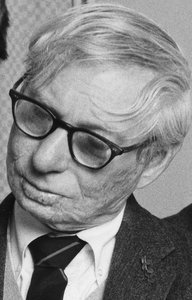
louis isidore kahn
1901 - 1974 , Estonia
Quick Facts
- Artistic Movement Or Style: Brutalist architecture
- Artists Or Movements Influenced By This Artist: ['Le Corbusier']
- Artists Who Influenced This Artist: ['Paul Philippe Cret']
- Date Of Birth: February 20, 1901
- Date Of Death: March 17, 1974
- Full Name: Louis Isadore Kahn
- Nationality: American
- Notable Artworks:
- Salk Institute
- Kimbell Art Museum
- National Assembly Building
- Place Of Birth: Kuressaare, Estonia

