

 Preview
 Send
Send Share
Share
 Details

 Download
 Similars
 X-Ray
X-Ray Diaporama
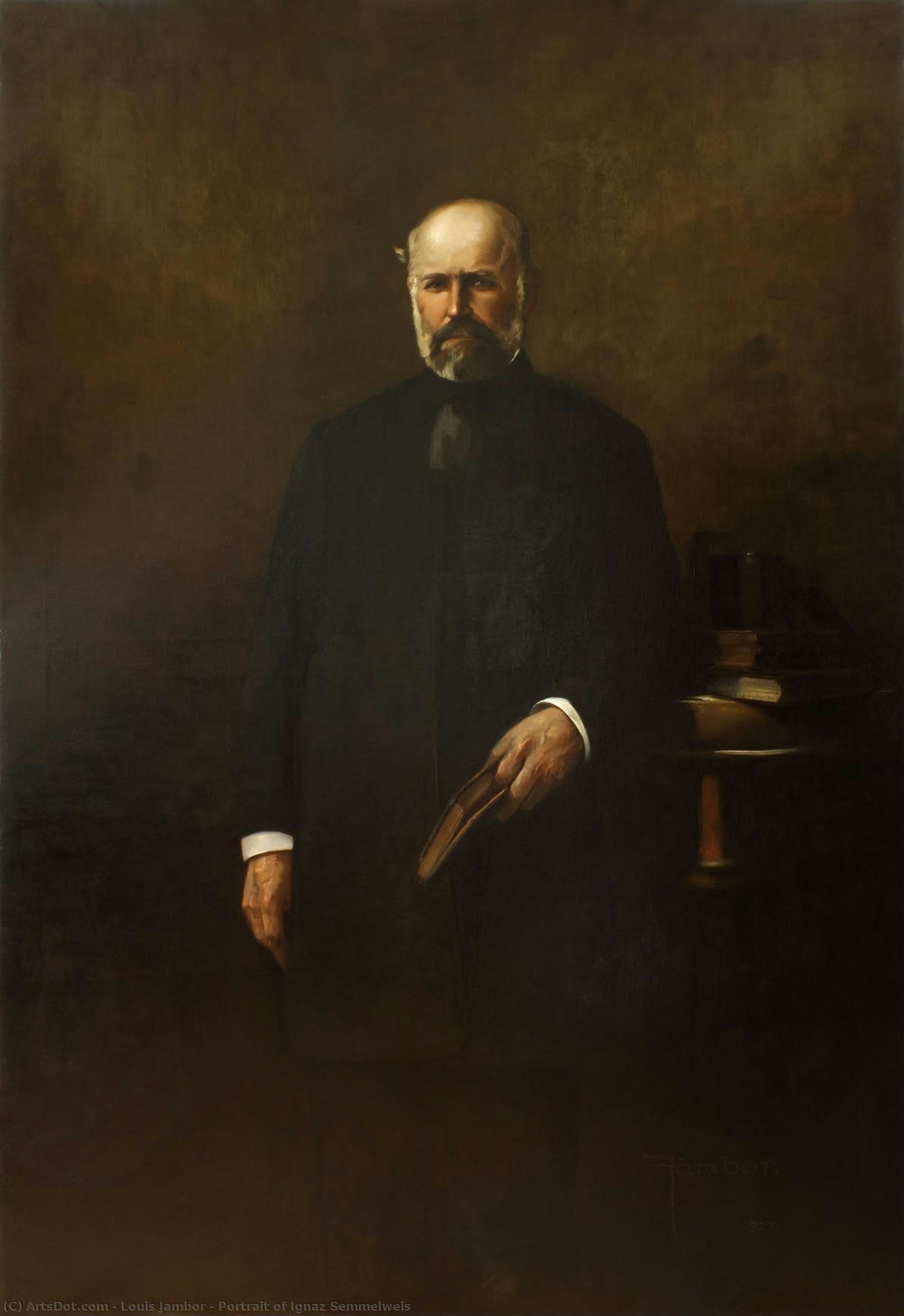
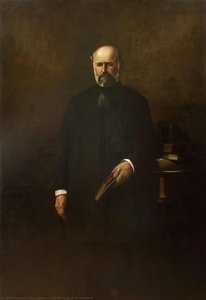
Portrait of Ignaz Semmelweis

 Read More
Hand Made Oil Reproduction
Hand-painted oil on canvas in your size and frame, made to order by our artists. ( Buy Print Buy Image)




































Pick from our preset sizes that match the artwork's original proportions.

You may enter your own dimensions to fit a specific frame or space. If your selected size does not match the original image's proportions, we will either crop the artwork or extend the painting with additional hand-painted elements. A digital mockup will be sent for your approval before production begins.
Please note that the on-screen preview does not reflect the actual cropping or extension. Only the mockup will accurately show the final composition.
While custom sizes are available, we recommend selecting a dimension from the predefined list to preserve the original proportions.
After order, ArtsDot.com team will email client for instructions and provide a mockup preview
Worldwide Delivery () in 3/4 weeks instead of standard 5 weeks. (27 August). No compromise on quality.

Free Worldwide Express Shipping

High-Quality Linen Canvas

Full Shipping Insurance

Customs Tax Refund Guarantee

True Color Matching Guarantee

60-Day Return Policy (Defects Only)

100% Money-Back Guarantee

Bulk Discount Offer
 Glass option is only available in size under 110 CM

Portrait of Ignaz Semmelweis
Reproduction Medium
Reproduction Size
-


Total Price
$ 263
Related Artworks







Artist Biography
The Soul of Symbolism: The Artistic Journey of Louis Jambor
Louis Jambor, a name that resonates with the quiet grandeur of early 20th-century European art, lived a life that bridged the gap between the classical traditions of Budapest and the vibrant, modern pulse of New York City. Born on August 1, 1884, in Hungary, Jambor’s artistic identity was forged in the crucible of academic rigor and spiritual depth. His early years were defined by a profound immersion in the Hungarian artistic heritage, a foundation that provided him with the technical mastery required for his later monumental achievements. As he moved through Europe, his style began to evolve, absorbing the light-drenched techniques of Impressionism and the structural emotionality of Post-Impressionism. This period of his life was marked by an intense study of masters like Monet and Cézanne, from whom he learned to translate the fleeting nuances of atmosphere into permanent, emotive strokes on canvas.
The heart of Jambor’s legacy, however, lies in his ability to marry the physical world with the metaphysical. He possessed a rare talent for religious mural painting, a medium that demands both immense scale and intimate spiritual sensitivity. His most breathtaking contributions can be found within the sacred spaces of France, most notably in the Chapel of the Salpêtrière Hospital in Paris. In these works, Jambor did not merely decorate walls; he transformed them into windows to the divine. Drawing inspiration from the timeless elegance of Byzantine iconography, his murals utilized rich color palettes and deliberate compositional arrangements to evoke a sense of profound contemplation and faith. To witness his work in such a setting is to experience a seamless blend of historical reverence and personal devotion.
From Sacred Murals to the Modern Canvas
As Jambor’s journey took him beyond the borders of Europe toward the burgeoning art scene of the United States, his versatility became his hallmark. While his religious works spoke of eternal truths, his later career in New York City revealed a different facet of his creative spirit—one that embraced the evolving landscape of 20 much-needed illustration and animation. He transitioned into the role of a respected illustrator and background artist for animation, proving that the same eye for detail and atmospheric depth used in sacred murals could be applied to the storytelling of the modern age. This period of his life highlights a fascinating duality: the ability to navigate between the ancient weight of religious symbolism and the dynamic, narrative-driven world of 20th-century commercial art.
His portraiture remains another pillar of his enduring significance. In his portraits, Jambor sought to capture more than just a likeness; he aimed for the psychological essence of his subjects. Whether depicting historical figures or contemporary faces, his brushwork carried an emotional weight that reflected his lifelong engagement with the human condition. His work serves as a vital link between several artistic movements, including:
- Symbolism: Utilizing imagery to represent abstract ideas and spiritual truths.
- Post-Impressionism: Emphasizing expressive color and structured form over mere optical realism.
- Academic Realism: Maintaining a foundation of technical precision and classical composition.
Ultimately, the life of Louis Jambor was a continuous dialogue between light and shadow, tradition and innovation. From the hallowed halls of Parisian chapels to the bustling studios of New York, he remained a master of atmosphere, leaving behind a body of work that continues to invite viewers into a world of profound beauty and deep, resonant emotion.
louis jambor
1884 - 1954 , Hungary
Quick Facts
- Artistic Movement Or Style: Post-Impressionism
- Artists Or Movements Influenced By This Artist: ['Jacques-Louis David']
- Date Of Birth: August 1884
- Full Name: Lajos Jambor
- Nationality: Hungarian-American
- Notable Artworks:
- Portrait of Ignaz Semmelweis
- Saint Louis Art Museum
- Place Of Birth: Budapest, Hungary

