 Send
Send Share
Share
 Details

 Download
 Similars
 Diaporama
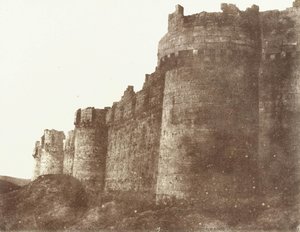
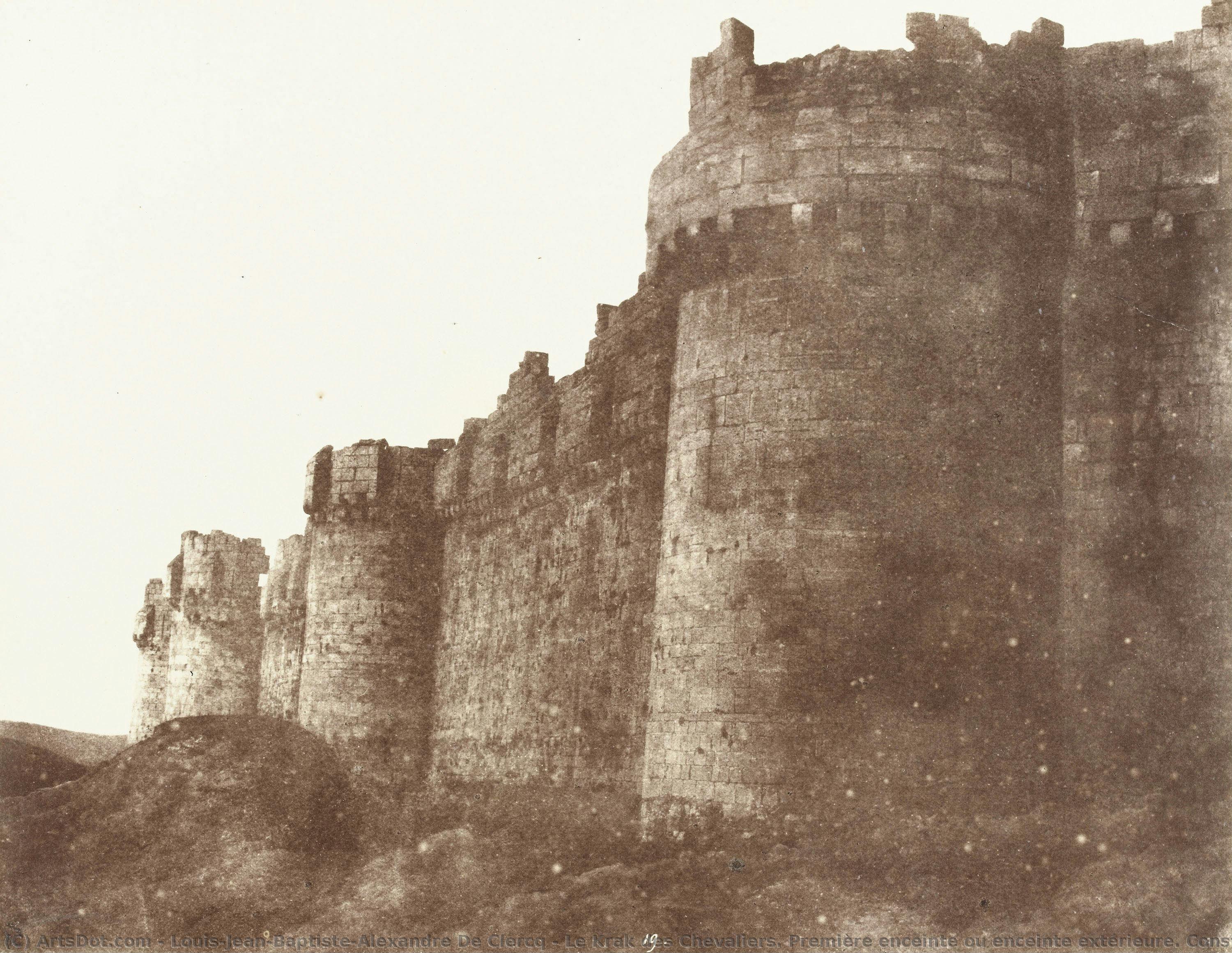
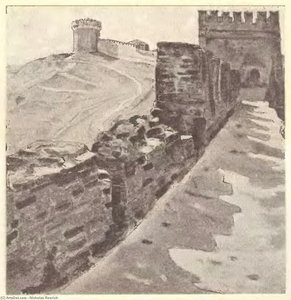
Le Krak des Chevaliers. Première enceinte ou enceinte extérieure. Construite à partir de 1250


 Read More
Hand Made Oil Reproduction
Hand-painted oil on canvas in your size and frame, made to order by our artists. ( Buy Print Buy Image)




































Pick from our preset sizes that match the artwork's original proportions.

You may enter your own dimensions to fit a specific frame or space. If your selected size does not match the original image's proportions, we will either crop the artwork or extend the painting with additional hand-painted elements. A digital mockup will be sent for your approval before production begins.
Please note that the on-screen preview does not reflect the actual cropping or extension. Only the mockup will accurately show the final composition.
While custom sizes are available, we recommend selecting a dimension from the predefined list to preserve the original proportions.
After order, ArtsDot.com team will email client for instructions and provide a mockup preview
Worldwide Delivery () in 3/4 weeks instead of standard 5 weeks. (31 August). No compromise on quality.

Free Worldwide Express Shipping

High-Quality Linen Canvas

Full Shipping Insurance

Customs Tax Refund Guarantee

True Color Matching Guarantee

60-Day Return Policy (Defects Only)

100% Money-Back Guarantee

Bulk Discount Offer
 Glass option is only available in size under 110 CM

Le Krak des Chevaliers. Première enceinte ou enceinte extérieure. Construite à partir de 1250
Reproduction Medium
Reproduction Size
-


Total Price
$ 263
The Imposing Majesty of Medieval Fortification
Gazing upon this depiction of Le Krak des Chevaliers, one is immediately transported across the veil of time to an era defined by stone, siege, and unwavering defense. The photograph captures not merely a structure, but an entire epoch—a monumental testament to human ingenuity pitted against the relentless forces of history. Situated upon a slight rise within a rolling, hilly landscape, the fortress dominates the composition with an almost overwhelming sense of permanence. Its very presence speaks of strategic importance, of lives lived under the shadow and protection of its massive curtain walls and towering battlements.
A Study in Early Photographic Technique
The aesthetic quality of this piece is inextricably linked to its historical process. Executed using techniques reminiscent of early 19th-century photography, such as the calotype process, the image possesses a distinct, ethereal graininess. This texture is not a flaw, but rather a signature of its age, lending the scene a palpable sense of antiquity. The soft focus inherent in these pioneering methods blurs the sharp edges of modern clarity, instead wrapping the fortress in a sepia-toned haze that evokes memory itself. The resulting visual experience is less like viewing a crisp photograph and more like uncovering a fragile, chemically treated vision from a bygone age.
Architectural Geometry and Emotional Resonance
Observe how the composition plays with line and shape. The architecture is overwhelmingly rectilinear; sharp angles define every tower, every crenellation, emphasizing solidity and an almost brutal geometric order. These strong vertical and horizontal lines anchor the viewer's eye, drawing it deep into the receding perspective of the landscape. While the subject matter—a military stronghold—might suggest themes of conflict, the overall emotional impact is one of profound endurance. The fortress stands as a symbol of resilience; it has withstood centuries, its stone weathered by sun and storm, embodying a quiet, powerful defiance against time itself.
Historical Context and Decorative Potential
Louis-Jean-Baptiste-Alexandre de Clercq’s meticulous documentation places this work within the rich tradition of architectural record-keeping. For the collector or designer, this reproduction offers more than just a scenic view; it provides an atmospheric anchor to the romance of the medieval world. Imagine this piece gracing a library wall or serving as a dramatic focal point in a study designed with historical gravitas. It allows one to infuse a space with the weight and dignity of history, transforming mere decoration into a narrative centerpiece that whispers tales of knights, sieges, and enduring stone.
Related Artworks
Artist Biography
Louis-Jean-Baptiste-Alexandre de Clercq: A Pioneer of French Architectural Photography
Louis-Jean-Baptiste-Alexandre de Clercq (1837 – 1901), also known as Louis de Clercq, was a significant French photographer celebrated for his meticulous documentation of French architecture and landscapes during the late 19th century. His work provides invaluable visual records of a rapidly changing France, capturing both iconic landmarks and evolving urban environments with remarkable detail.
Early Life and Photographic Development
Born in Paris, France, de Clercq’s early life details remain somewhat obscure. However, his dedication to photography became evident as he established himself as a professional photographer in Paris. He was active from the 1860s until his death in 1901. De Clercq's photographic process primarily utilized the calotype technique, an early form of photography known for its soft focus and unique aesthetic qualities. This method allowed him to create detailed prints with a distinctive artistic feel.
Key Works and Artistic Style
De Clercq’s oeuvre is characterized by his keen eye for composition and lighting. He meticulously framed his subjects, often employing dramatic angles and carefully controlled light to highlight architectural details. Some of his most notable works include:
- Notre-Dame, Paris (1870s): A striking photograph capturing the grandeur of the iconic cathedral, demonstrating de Clercq’s ability to convey a sense of scale and historical significance.
- La Plage d'Ambleteuse (1880s): This landscape photograph showcases his skill in depicting the beauty of the French coastline, with an emphasis on natural light and atmospheric perspective.
- View of the Scaffolding Erected to Install the Central Dome of the Grand Palais (1890s): A fascinating document illustrating the monumental construction project, offering a unique glimpse into 19th-century engineering and urban development.
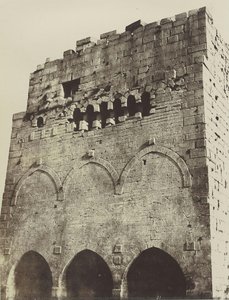
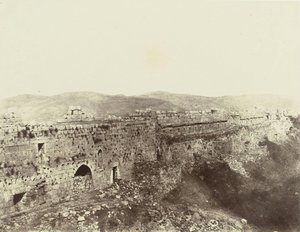
- Le Krak des Chevaliers: De Clercq produced several photographs documenting this Crusader castle in Syria, showcasing its impressive fortifications and architectural complexity (see examples here).
Influences and Historical Significance
While specific influences on de Clercq’s work are not extensively documented, he undoubtedly drew inspiration from the broader artistic movements of his time. The rise of realism in painting likely informed his desire to accurately depict architectural subjects. Furthermore, the burgeoning field of photography itself was rapidly evolving, with advancements in techniques and equipment influencing his approach. De Clercq's photographs hold significant historical value as visual records of France during a period of rapid industrialization and urbanization. His images provide invaluable insights into the architecture, landscapes, and construction projects that shaped the nation.
Legacy and Recognition
Louis-Jean-Baptiste-Alexandre de Clercq’s legacy is cemented by his inclusion in prestigious collections such as the fonds photographique du musée d'Orsay in Paris. His work continues to be appreciated for its artistic merit and historical importance, offering a unique window into 19th-century France. His meticulous documentation of architectural landmarks and landscapes ensures that his contribution to French photographic history is recognized and celebrated. Explore more of de Clercq’s works on ArtsDot.
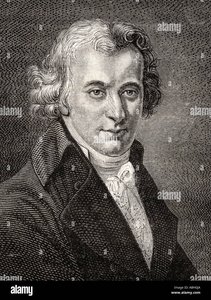
Louis-Jean-Baptiste-Alexandre de Clercq
1837 - 1901 , France
Quick Facts
- Artistic Movement Or Style: Photography
- Date Of Birth: 1837
- Date Of Death: 1901
- Full Name: Louis-Jean-Baptiste-Alexandre de Clercq
- Nationality: French
- Notable Artworks:
- Notre-Dame, Paris (1870s)
- La plage d'Ambleteuse (1880s)
- View of the Grand Palais (1890s)
- Place Of Birth: Paris, France
Related Articles
High Medieval Art: 10 Masterpieces That Shaped an Era | ArtsDot
Journey through High Medieval Art! Explore 10 iconic masterpieces – from Giotto's frescoes to stunning Gothic cathedrals. Discover the stories behind these timeless paintings, sculptures & illuminated manuscripts. Find museum-quality art reproductions at ArtsDot.com.
Late Medieval Masterpieces: 10 Artworks That Defined an Era | ArtsDot
Journey through 10 defining Late Medieval masterpieces – from Giotto's frescoes to Jan van Eyck’s realism. Explore the stories, techniques & vibrant colors of Gothic art. Find museum-quality reproductions and elevate your home decor with ArtsDot.com! Discover all masterpieces on ArtsDot.com
Henri Le Sidaner: Evoking Atmosphere & Intimacy in Post-Impressionist Landscapes
Discover the evocative world of Henri Le Sidaner, a master of Intimist painting. Explore his tranquil landscapes & atmospheric interiors – a celebration of light and intimacy. Learn about his life, style, and lasting legacy.
Early Medieval Art: 10 Masterpieces That Shaped a New World | ArtsDot
Journey through 10 stunning Early Medieval masterpieces – from the Book of Kells to Carolingian mosaics. Explore art history, symbolism & find museum-quality reproductions for your home at ArtsDot.com. Discover all masterpieces online!
Charles Le Brun: Master of French Baroque Classicism & His Enduring Legacy
Explore the life & art of Charles Le Brun, master of French Baroque Classicism. Discover his royal commissions, influence on Versailles, and enduring legacy through detailed analysis & stunning artworks.