 Preview
 Send
Send Share
Share
 Details

 Download
 Similars
 X-Ray
X-Ray Diaporama
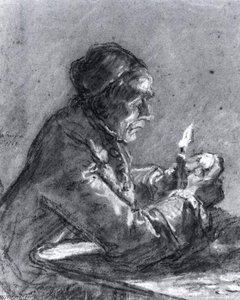
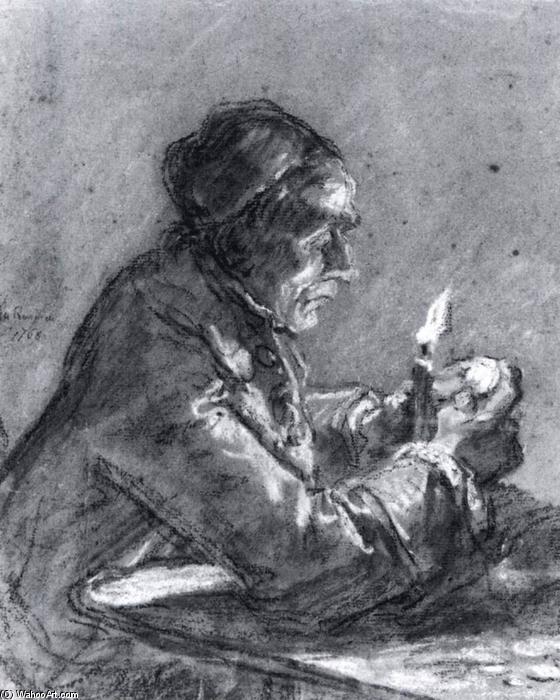
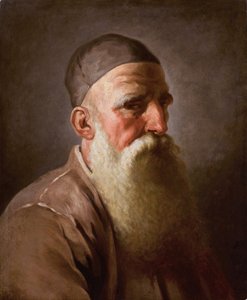
Presumed Portrait of Joseph Pellerin


 Read More
Giclée / Art Print
Museum-quality giclée or canvas print with fast production and flexible finish options. ( Buy Hand Made Painting Buy Image)




































Pick from our preset sizes that match the artwork's original proportions.

You may enter your own dimensions to fit a specific frame or space. If your selected size does not match the original image's proportions, we will either crop the artwork or extend the image with a mirrored or solid-fill edge. A digital mockup will be sent for your approval before production begins.
Please note that the on-screen preview does not reflect the actual cropping or extension. Only the mockup will accurately show the final composition.
While custom sizes are available, we recommend selecting a dimension from the predefined list to preserve the original proportions.
Worldwide Delivery () in 2 weeks instead of standard 4/5 weeks. (3 September)

Free Worldwide Express Shipping

High-Quality Linen Canvas

Full Shipping Insurance

Customs Tax Refund Guarantee

True Color Matching Guarantee

60-Day Return Policy (Defects Only)

100% Money-Back Guarantee

Bulk Discount Offer
 Glass option is only available in size under 110 CM

Presumed Portrait of Joseph Pellerin
Giclée / Art Print
Reproduction Size
-


Total Price
$ 63
Related Artworks





Artist Biography
Louis Jean Jacques Durameau: A Dreamlike Vision of Baroque Grandeur
Louis Jean Jacques Durameau (1733-1796) stands as a singular figure in French art history—a painter whose oeuvre embodies the lingering influence of Baroque aesthetics while simultaneously embracing the nascent spirit of Symbolism. Born in Paris, he descended from a lineage steeped in artistic tradition; his father, Jacques Durameont, was a master printer specializing in intaglio engraving, instilling in him an appreciation for meticulous craftsmanship and tonal subtlety. This formative environment shaped Durameau’s artistic sensibilities profoundly, guiding him toward the studio of the sculptor Jean-Baptiste Defernex, a master renowned for unflinching portraits that prioritized psychological realism over idealized beauty—a stylistic approach that would become central to Durameau's own distinctive vision. Following Defernex’s tutelage, Durameau entered the orbit of Jean-Baptiste Marie Pierre, another influential sculptor who championed classical ideals and fostered a rigorous artistic discipline. This period of intense training culminated in one of the most prestigious honors an artist of his era could achieve: the Grand Prix de Rome. In 1757, Durameau secured this coveted commission, a victory that propelled him toward international acclaim and established exacting standards for his future work. His winning subject, involving the biblical narrative of Elisha resurrecting the son of the Shunammite, exemplified a burgeoning mastery of dramatic composition and emotional weight, showcasing an ability to render divine intervention through masterful tonal gradation and a sense of overwhelming grandeur.The Mastery of Line and Light
Durameau’s artistic trajectory was defined by a unique tension between the precision of his engraver roots and the fluid emotion of the painterly tradition. He possessed a virtuoso's command over draftsmanship, often utilizing black chalk, pastel, and pencil to capture the fleeting nuances of human expression. His works, such as the Presumed Portrait of Joseph Pellerin, demonstrate a profound ability to breathe life into his subjects through delicate line work and subtle light play. This technical prowess extended beyond simple portraiture; he was equally adept at large-scale compositions that explored mythological and historical themes, often imbuing them with a sense of theatricality reminiscent of the Baroque era. The breadth of his technical skill is perhaps most evident in his contributions to decorative arts. His designs for the Manufacture Nationale des Gobelins, such as the magnificent tapestry series The Continence of Bayard, reveal an artist capable of translating complex narrative drama into the medium of wool and silk. In these works, Durameau’s sense of movement and monumental scale allowed him to bridge the gap between fine art painting and the grand decorative programs that defined French royal prestige during the 18th century.Legacy and Historical Significance
As the 18th century progressed, Durameau's work began to reflect a shift in the European consciousness, moving away from the rigid structures of classicism toward more evocative, atmospheric storytelling. While his foundations remained rooted in the disciplined traditions of the French Academy, his later explorations hinted at a deeper, more introspective way of seeing. His ability to capture both the monumental and the intimate allowed him to remain relevant during a period of immense political and social upheaval in France. Today, the significance of Louis Jean Jacques Durameau lies in his role as a bridge between eras. He remains a vital subject for scholars interested in:- The evolution of French portraiture from psychological realism to classical idealism.
- The technical intersection of printmaking precision and painterly expression.
- The influence of the Grand Prix de Rome on the development of 18th-century European aesthetics.
- The integration of fine art design within the prestigious tapestry workshops of the Gobelins.
Louis Jean Jacques Durameau
1733 - 1796 , France
Quick Facts
- Artistic Movement Or Style: Baroque/Rococo
- Artists Or Movements Influenced By This Artist: ['Jacques-Louis David']
- Artists Who Influenced This Artist: ['Jean-Baptiste Defernez']
- Date Of Birth: Paris, France (1733)
- Date Of Death: 1796
- Full Name: Louis Jean Jacques Durameau
- Nationality: French
- Notable Artworks: ['Juno Ordering Aeolus']
- Place Of Birth: Paris