 Preview
 Send
Send Share
Share
 Details

 Download
 Similars
 X-Ray
X-Ray Diaporama
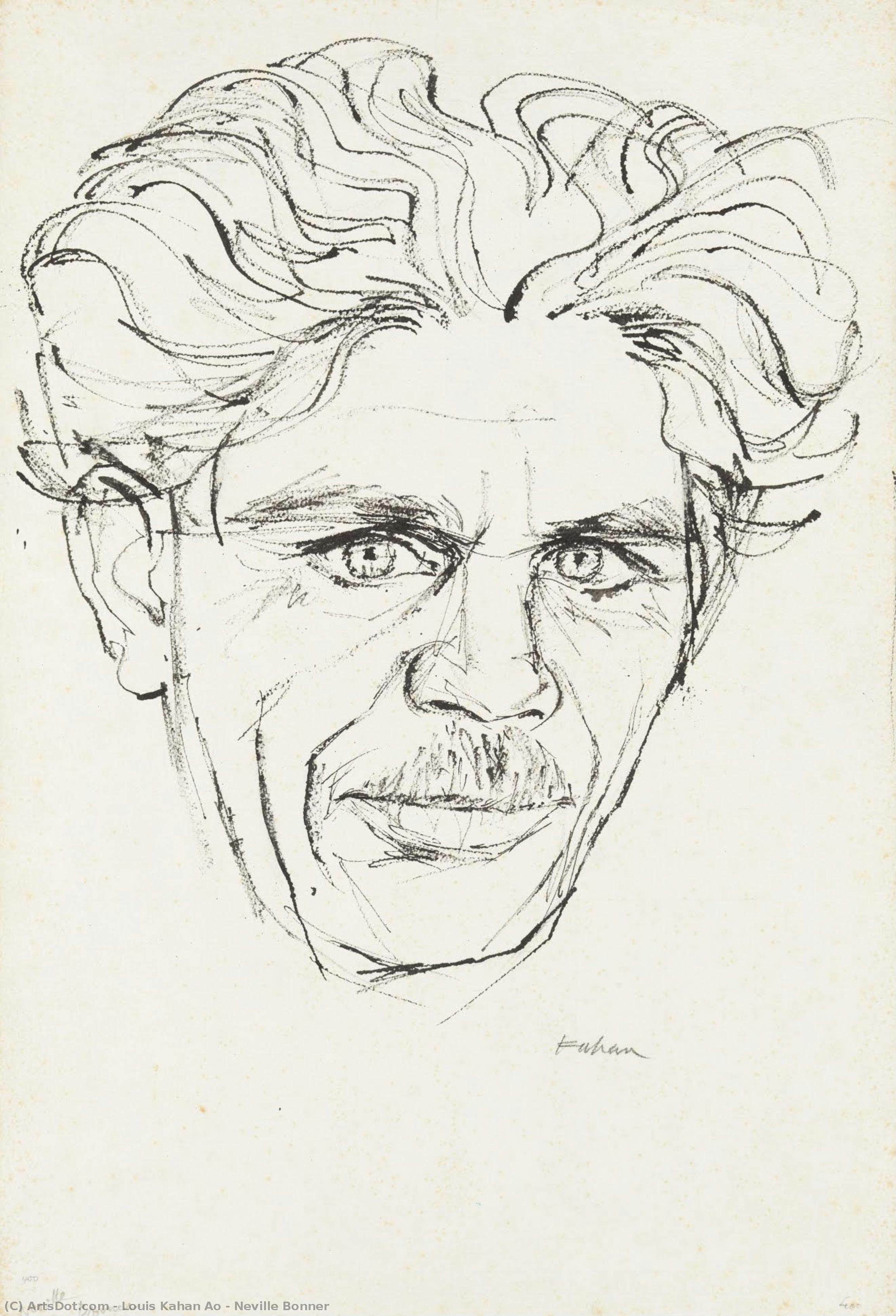
Neville Bonner
 57.0 x 38.0 cm
 National Portrait Gallery
 Read More
Giclée / Art Print
Museum-quality giclée or canvas print with fast production and flexible finish options. ( Buy Hand Made Painting Buy Image)




































Pick from our preset sizes that match the artwork's original proportions.

You may enter your own dimensions to fit a specific frame or space. If your selected size does not match the original image's proportions, we will either crop the artwork or extend the image with a mirrored or solid-fill edge. A digital mockup will be sent for your approval before production begins.
Please note that the on-screen preview does not reflect the actual cropping or extension. Only the mockup will accurately show the final composition.
While custom sizes are available, we recommend selecting a dimension from the predefined list to preserve the original proportions.
Worldwide Delivery () in 2 weeks instead of standard 4/5 weeks. (6 September)

Free Worldwide Express Shipping

High-Quality Linen Canvas

Full Shipping Insurance

Customs Tax Refund Guarantee

True Color Matching Guarantee

100-Day Return Policy (Defects Only)

100% Money-Back Guarantee

Bulk Discount Offer
 Glass option is only available in size under 110 CM

Neville Bonner
Giclée / Art Print
Reproduction Size
-


Total Price
$ 63
Related Artworks

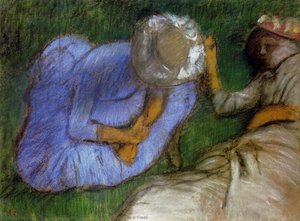
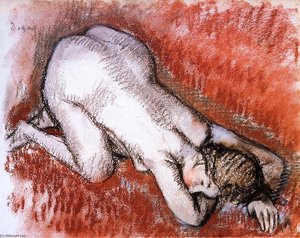
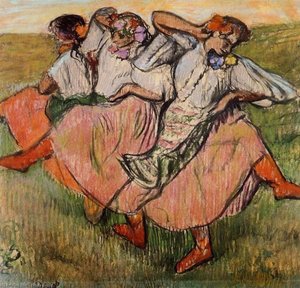
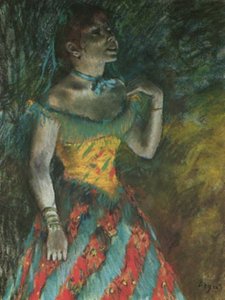
Artist Biography
A Life Woven in Thread and Ink: The Journey of Louis Kahan AO
The story of Louis Kahan AO is one of remarkable metamorphosis, a life where the precision of a tailor’s needle eventually gave way to the expressive freedom of the artist's brush. Born in Vienna in 1905 to Russian Jewish parents, Kahan’s early years were steeped in the disciplined craftsmanship of his father’s tailoring business. Yet, even amidst the structured world of fabric and fine stitching, a different kind of vision was taking shape. As a young man, he found himself captivated not by the drape of a garment, but by the faces of those who wore them—the famous actors and musicians who frequented his father's shop. These early sketches, born from a desire to capture the fleeting essence of a sitter, laid the foundation for a career that would eventually bridge the worlds of high fashion, wartime documentation, and fine art.
In 1925, the pull of the avant-garde led Kahan from the familiar streets of Vienna to the electric atmosphere of Paris. This period served as his true artistic awakening. Working within the legendary atelier of the couturier Paul Poiret, Kahan was thrust into the very heart of the Parisian fashion revolution. It was here that his path intersected with the giants of modernism; through the world of haute couture, he encountered luminaries such as Henri Matisse, Raoul Dufy, and Maurice de Vlaminck. These encounters infused his burgeoning style with a newfound appreciation for bold color and the emotive power of a single, decisive stroke. His talent for visual storytelling flourished as he designed costumes for icons like Josephine Baker and the Folies Bergère, blending the structural elegance of design with the theatrical grandeur of the stage.
Witness to History: From the Foreign Legion to the Red Cross
The trajectory of Kahan’s life was irrevocably altered by the shadows of World War II. His journey took a profound and harrowing turn when he enlisted in the French Foreign Legion, leading him to North Africa. It was in the crucible of war that Kahan transitioned from an illustrator of glamour to a chronicler of human suffering. Stationed at Oran Hospital in Algeria, he undertook a monumental task: documenting the lives of wounded soldiers undergoing rehabilitation. Without formal academic training, yet driven by an innate empathetic lens, he produced over 2,000 drawings that captured the raw, unvarnished emotions of those enduring physical and psychological trauma.
This period was marked by a unique humanitarian mission. Serving as a voluntary artist for the Red Cross between 1943 and 1945, Kahan utilized an early form of microfilm—v-mail—to transmit these intimate portraits to the families of soldiers. In an era where photography was strictly regulated, his drawings became vital lifelines, offering loved ones a glimpse into the humanity of those far away. This profound engagement with the human condition deepened the symbolic depth of his work, imbuing his later portraiture with a quiet dignity and a weight of experience that few artists could claim.
Legacy of an Australian Master
Following the upheaval of war, Kahan’s artistic odyssey continued, eventually leading him to Australia, where he would cement his place in the nation's art history. His oeuvre became a vast tapestry of diverse media, ranging from intricate printmaking and delicate drawings to commanding oil paintings. He possessed a rare ability to navigate between the decorative and the profound, much like the transition from the tailor’s precision to the painter’s passion. His mastery of the human form was most famously recognized in 1962, when he was awarded the prestigious Archibald Prize for his evocative portrait of the Nobel Laureate Patrick White.
Today, the legacy of Louis Kahan AO resides not just in museum collections across Australia, Europe, and the USA, but in the very way he taught us to observe. His work remains a testament to the power of looking closely—at the fold of a sleeve, the light on a cheekbone, or the silent resilience in a soldier's eyes. He leaves behind a body of work that defies simple categorization, standing instead as a bridge between eras and disciplines:
- The Precision of Craft: A lifelong discipline inherited from his training as a master tailor.
- The Spirit of Modernism: An aesthetic shaped by the vibrant, avant-garde energy of interwar Paris.
- The Depth of Empathy: A profound commitment to documenting the human experience through the lens of both beauty and hardship.
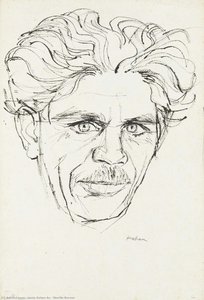
louis kahan ao
1905 - 2002 , Austria
Quick Facts
- Artistic Movement Or Style: Symbolism
- Artists Or Movements Influenced By This Artist: ['Paul Poiret']
- Artists Who Influenced This Artist:
- Henri Matisse
- Raoul Dufy
- Maurice de Vlaminck
- Date Of Birth: May 25, 1905
- Date Of Death: July 16, 2002
- Full Name: Louis Kahan AO
- Nationality: Austrian-Australian
- Notable Artworks: ['Portrait of Patrick White']
- Place Of Birth: Vienna, Austria