 Preview
 Send
Send Share
Share
 Details

 Download
 Similars
 X-Ray
X-Ray Diaporama
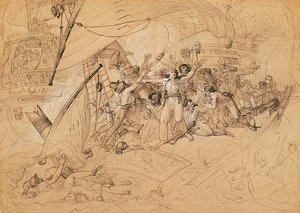
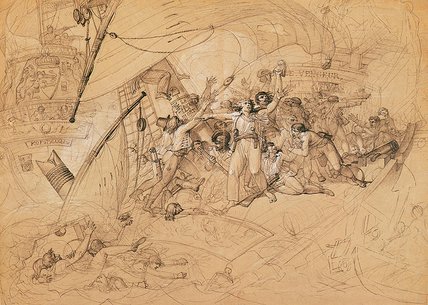
Le Vengeur Du Peuple' Sinking At The Battle Of.
 Read More
Hand Made Oil Reproduction
Hand-painted oil on canvas in your size and frame, made to order by our artists. ( Buy Print Buy Image)




































Pick from our preset sizes that match the artwork's original proportions.

You may enter your own dimensions to fit a specific frame or space. If your selected size does not match the original image's proportions, we will either crop the artwork or extend the painting with additional hand-painted elements. A digital mockup will be sent for your approval before production begins.
Please note that the on-screen preview does not reflect the actual cropping or extension. Only the mockup will accurately show the final composition.
While custom sizes are available, we recommend selecting a dimension from the predefined list to preserve the original proportions.
After order, ArtsDot.com team will email client for instructions and provide a mockup preview
Worldwide Delivery () in 3/4 weeks instead of standard 5 weeks. (22 August). No compromise on quality.

Free Worldwide Express Shipping

High-Quality Linen Canvas

Full Shipping Insurance

Customs Tax Refund Guarantee

True Color Matching Guarantee

60-Day Return Policy (Defects Only)

100% Money-Back Guarantee

Bulk Discount Offer
 Glass option is only available in size under 110 CM

Le Vengeur Du Peuple' Sinking At The Battle Of.
Reproduction Medium
Reproduction Size
-


Total Price
$ 263
Related Artworks

Artist Biography
François Boucher: The Architect of Rococo
François Boucher (1703–1770) stands as a pivotal figure in the history of French art, inextricably linked to the rise and flourishing of the Rococo style. More than simply a painter, he was an orchestrator of visual pleasure, a master of marketing his work, and a key architect in shaping the aesthetic sensibilities of the French court under Louis XV. Born into modest circumstances – his father was a printer – Boucher’s early life offered little indication of the artistic heights he would eventually achieve. Initially supporting himself through printmaking and designing book illustrations, he honed his skills meticulously, absorbing influences from both the Baroque masters and the burgeoning trends of the day. His journey to prominence began with a trip to Italy in 1728, where he studied the works of Venetian painters like Titian and Canaletto, as well as the dramatic landscapes of Dutch artists. These experiences laid the foundation for his distinctive style – characterized by delicate colors, graceful figures, and an emphasis on sensual beauty.The Rise to Royal Favor: Patronage and Production
Boucher’s career truly took off thanks to a combination of talent, shrewdness, and royal patronage. He secured a position at the Académie Royale de Peinture et de Sculpture in 1734, a prestigious institution that served as both a training ground and a gatekeeper for artistic careers. His early works, often commissioned by wealthy collectors and members of the aristocracy, demonstrated his growing mastery of composition, color, and technique. Crucially, he cultivated relationships with influential figures like Madame de Pompadour, Louis XV’s mistress, who became one of his most devoted patrons. Madame de Pompadour's influence was immense; she not only commissioned numerous works from Boucher but also actively promoted his style throughout the court, solidifying his position as *premier peintre à la cour* (first painter to the king) in 1765 and director of the Royal Academy in 1766. This elevation afforded him unparalleled access to royal commissions and allowed him to produce a prodigious output – encompassing paintings, prints, tapestries, ceramics, and even stage designs for the opera.Aesthetic Innovation: The Rococo Vision
Boucher’s contribution to the Rococo style was profound and multifaceted. While he built upon earlier developments in French painting, particularly those of his predecessor, Jean-Baptiste Greuze, he elevated them to a new level of refinement and elegance. He is most closely associated with the revival of the pastoral genre – idealized landscapes populated by shepherds and shepherdesses engaged in scenes of idyllic love and courtship. These paintings, often imbued with erotic undertones, were immensely popular among the aristocracy, reflecting their desire for escape from the complexities of court life. Boucher’s use of light and color was particularly noteworthy; he favored a palette of soft pinks, blues, and creams, creating an atmosphere of airy lightness and sensual delight. Furthermore, his meticulous attention to detail – evident in the luxurious fabrics, elaborate hairstyles, and delicate rendering of skin tones – contributed significantly to the overall sense of opulence and refinement that characterized Rococo art. He also skillfully integrated mythological subjects, imbuing them with a playful sensuality rarely seen before.Critical Reception and Legacy
Despite his immense popularity and royal favor, Boucher’s work was not without its critics. Denis Diderot, the influential philosopher and writer, famously dismissed Boucher as lacking “truth” in his art, arguing that he prioritized beauty over substance. However, this critique ultimately proved to be largely unfounded. Boucher's paintings were immensely successful during his lifetime, and they continue to be admired for their technical brilliance, aesthetic appeal, and masterful depiction of the Rococo ideal. His influence extended far beyond France, shaping artistic trends throughout Europe. His designs for decorative arts – particularly porcelain and tapestries – were widely copied and imitated, ensuring that his style remained a dominant force in the visual culture of the 18th century. Today, François Boucher is recognized as one of the most important artists of the Rococo period, a testament to his extraordinary talent, his astute understanding of his patrons’ tastes, and his enduring contribution to the history of art. His legacy lies not only in his individual masterpieces but also in his role as a key figure in shaping an entire artistic movement—a movement defined by beauty, pleasure, and the celebration of sensual experience.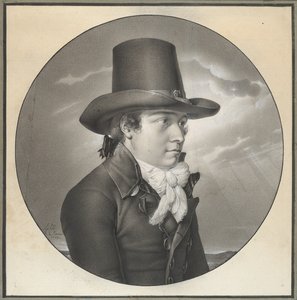
louis lafitte
1770 - 1828 , France
Quick Facts
- Artistic Movement Or Style: Rococo
- Artists Or Movements Influenced By This Artist:
- Watteau
- Rococo
- Artists Who Influenced This Artist:
- Antoine Watteau
- Giovanni Battista Tiepolo
- Date Of Birth: 1703
- Date Of Death: 1770
- Full Name: François Boucher
- Nationality: French
- Notable Artworks:
- The Triumph of Venus
- Psyche Revived by Cupid's Kiss
- Design for a Funeral Monument
- Place Of Birth: Paris, France