

 Preview
 Send
Send Share
Share
 Details

 Download
 Similars
 X-Ray
X-Ray Diaporama
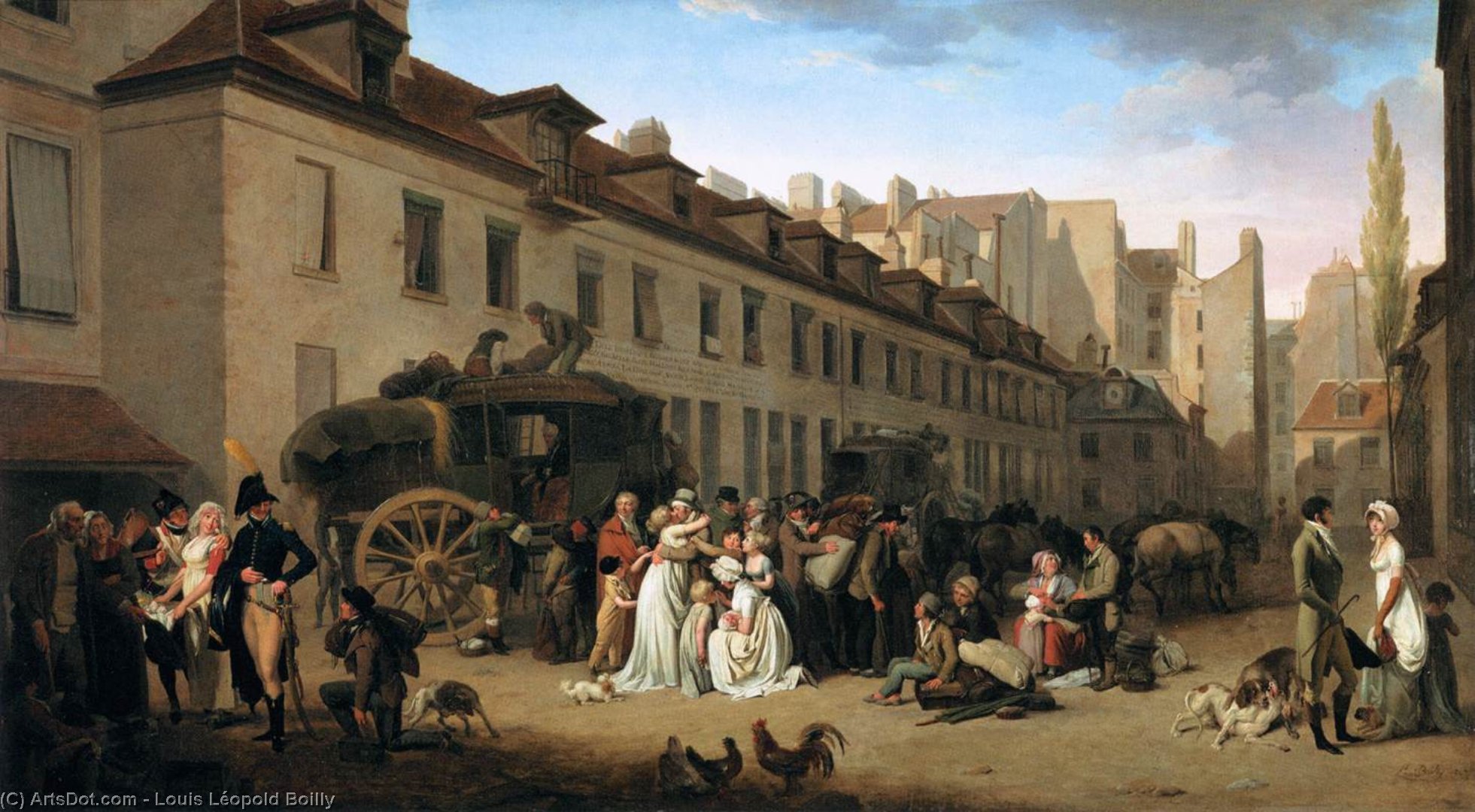
The Arrival of a Stage-coach in the Courtyard of the Messageries
 Oil On Canvas
- WallArt
- Neoclassicism
 1803
1803- 19th Century
 62.0 x 108.0 cm
 The Louvre
 Read More
Purchase a high-resolution, enhanced digital image, far superior to the online preview.
Each file is meticulously prepared by our in-house specialists using advanced tools and expert manual retouching. We ensure every image has exceptional clarity, precise color accuracy, and fine detail.
The final file is delivered via email within 72 hours, optimized for immediate use in professional, editorial, and print environments. This is the same quality trusted by top-tier design studios, publishers, and galleries.
Digital Image
Download a high-resolution file for personal display, printing, and creative projects. ( Buy Print Buy Hand Made Painting)
Included in Every Digital Image Order
Expert Digital Delivery, Guaranteed
When you choose ArtsDot.com, you're not just getting an image - you're receiving a professionally enhanced digital artwork, crafted with precision and backed by a satisfaction guarantee. Here's everything that comes with your order, automatically:

Fast Email Delivery
Your high-resolution digital image file will be emailed to you within 72 hours of ordering - ready for immediate use.

AI-Enhanced Digital File
Your artwork is professionally optimized using advanced AI tools and manual editing, ensuring maximum detail, clarity, and color accuracy.

Free Lifetime Re-Delivery
Accidentally deleted or lost your file? No worries - we'll resend it to you anytime, free of charge.

No Import Fees - Ever
Enjoy your artwork instantly with zero customs, duties, or delivery fees - digital downloads are always tax-free.

Color Accuracy Guarantee
We ensure your digital image reflects the original colors as closely as possible using professional tools and color management.

60-Day Satisfaction Guarantee
If you're not satisfied with your digital image, we'll revise it or refund 100% within 60 days - no questions asked.

100% Money-Back Guarantee
Not satisfied? Get a full refund within 60 days of receiving your digital file - no questions asked.

Bulk Order Discounts
Buy 3 images, save 10% - Buy 5, save 15% - Buy 10+, save 20%. Great for creative projects, galleries, and agencies.
A Snapshot of Parisian Life: The Bustle at the Messageries
To gaze upon Louis Léopold Boilly's depiction, The Arrival of a Stage-coach in the Courtyard of the Messageries, is to be instantly transported back to the vibrant, churning heart of early nineteenth-century Paris. This canvas is far more than a mere record of transportation; it is a richly textured immersion into the very pulse of urban existence. The scene explodes with life—a magnificent confluence of humanity and industry centered around the dramatic arrival of the stagecoach. One can almost hear the clatter of hooves on cobblestones, the shouted greetings, and the murmur of countless conversations weaving through the crowded courtyard.
Boilly's Mastery of Genre and Detail
Boilly, a master chronicler of Parisian society, possessed an unparalleled gift for capturing the everyday moment. His style, which seamlessly blends meticulous portraiture with sprawling genre scenes, is evident in every figure scattered across this canvas. Notice the careful rendering of the horses, their musculature taut with effort, and the varied expressions on the faces of the onlookers—some absorbed in conversation, others simply pausing to watch the spectacle unfold. Boilly did not just paint people; he captured types, moments of fleeting interaction that defined the middle-class experience of the era. The technique employed is one of lively realism, allowing the viewer's eye to wander naturally from the imposing coach to the small dog trotting amidst the legs.
Historical Echoes and Social Fabric
Painted in 1803, this work sits at a fascinating juncture in French history. The Messageries themselves were vital hubs, points where goods, people, and news converged. By focusing on such a public thoroughfare, Boilly subtly comments on the interconnectedness of society. It speaks to an age defined by movement—the constant flow of commerce and personal journeys that fueled the burgeoning Parisian spirit. For the collector or designer, this piece offers not just decoration, but a tangible connection to the historical energy of the city before the grand sweep of modern times.
Emotional Resonance for the Modern Space
What makes this reproduction so compelling for contemporary interiors is its inherent dynamism. Unlike static portraits, this scene vibrates with contained energy. It suggests narrative possibilities—who are these people? Where are they going? This sense of ongoing story imbues the artwork with an emotional depth that transcends mere observation. Imagine it placed in a grand hall or a richly decorated drawing-room; the bustling life depicted will serve as a captivating focal point, inviting conversation and contemplation long after one has finished admiring its technical brilliance.
Related Artworks

Artist Biography
Louis Léopold Boilly: A Life in Portraiture and Parisian Society
- Born: July 5, 1761, La Bassée, France
- Died: January 4, 1845, Paris, France
Early Life and Artistic Development
- Boilly's artistic journey began early; he produced works as young as twelve. Largely self-taught, his initial training included trompe-l’oeil painting under Dominique Doncre.
- His talent was recognized by the Augustinians of Douai in 1774, leading to an invitation from the Bishop of Arras. This period saw him create over three hundred small portrait paintings.
- Early works often featured amorous and moralizing subjects, demonstrating a developing skill in capturing likenesses and details.
Artistic Style and Key Works
- Style: Boilly's style is characterized by meticulous detail, careful coloring, and a focus on depicting everyday life within the French middle class. He skillfully blended portraiture with genre scenes.
- Evolution: After 1794, his compositions became more crowded, reflecting the bustling social scene of Paris. His portraits gained widespread acclaim, with over 5,000 painted throughout his career.
- Notable Works:
- The Suitor's Gift – An early work showcasing amorous themes and meticulous detail.
- Triumph of Marat – A patriotic piece created to avoid condemnation during the Reign of Terror.
- The Arrival of a Mail-Coach in the Courtyard of the Messageries – A vibrant depiction of Parisian life and transportation.
- Optical Illusions: Boilly was fascinated by optics, as demonstrated in works like *Un Trompe-l'œil*, which introduced the term to describe his technique of creating realistic imagery that mimics three-dimensional objects.
Recognition and Legacy
- Salon Success: Boilly received a medal from the Paris Salon in 1804, solidifying his reputation as a skilled artist.
- Honors: He was decorated as a Chevalier of the Légion d'Honneur in 1833, recognizing his contributions to French art.
- Family Influence: His son, Alphonse Boilly, became a professional engraver and apprenticed in New York with Asher Brown Durand.
- Historical Significance: Boilly’s work provides invaluable insights into the social customs, fashion, and daily life of the French middle class during a period of significant political upheaval. He is remembered as one of France's most celebrated portraitists and genre painters.
Museum Holdings
- Musée des Beaux Arts, Lille: Holds Triumph of Marat among other works.
- Louvre Museum: Features selections from Boilly’s extensive oeuvre.
- National Gallery of Art (Washington D.C.): Possesses several paintings including *Self-Portrait*, *Les Amateurs de Tableaux* and *The Public in the Salon of the Louvre, Viewing the Painting of the "Sacre"*.
- Getty Museum: Holds a collection of Boilly's works.
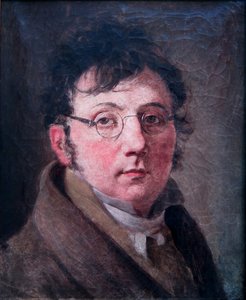
Louis Léopold Boilly
1761 - 1845 , France
Quick Facts
- Artistic Movement Or Style: Genre painting, Portraiture
- Artists Who Influenced This Artist:
- Gabriel Metsu
- Willem van Mieris
- Gerard ter Borch
- Date Of Birth: July 5, 1761
- Date Of Death: January 4, 1845
- Full Name: Louis Léopold Boilly
- Nationality: French
- Notable Artworks:
- The Suitor's Gift
- Triumph of Marat
- Arrival of a Mail-Coach
- Place Of Birth: La Bassée, France

