

 Preview
 Send
Send Share
Share
 Details

 Download
 Similars
 X-Ray
X-Ray Diaporama
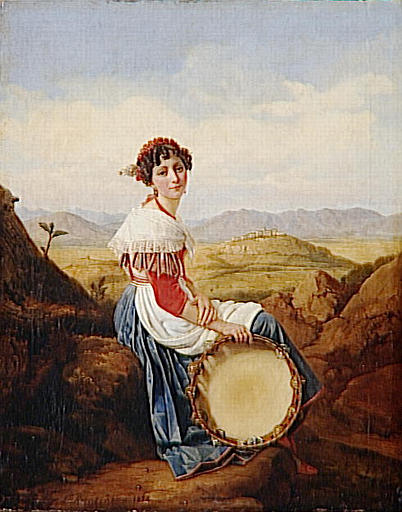
PAYSANNE DE LA CAMPAGNE DE ROME


 Read More
Purchase a high-resolution, enhanced digital image, far superior to the online preview.
Each file is meticulously prepared by our in-house specialists using advanced tools and expert manual retouching. We ensure every image has exceptional clarity, precise color accuracy, and fine detail.
The final file is delivered via email within 72 hours, optimized for immediate use in professional, editorial, and print environments. This is the same quality trusted by top-tier design studios, publishers, and galleries.
Digital Image
Download a high-resolution file for personal display, printing, and creative projects. ( Buy Print Buy Hand Made Painting)
Included in Every Digital Image Order
Expert Digital Delivery, Guaranteed
When you choose ArtsDot.com, you're not just getting an image - you're receiving a professionally enhanced digital artwork, crafted with precision and backed by a satisfaction guarantee. Here's everything that comes with your order, automatically:

Fast Email Delivery
Your high-resolution digital image file will be emailed to you within 72 hours of ordering - ready for immediate use.

AI-Enhanced Digital File
Your artwork is professionally optimized using advanced AI tools and manual editing, ensuring maximum detail, clarity, and color accuracy.

Free Lifetime Re-Delivery
Accidentally deleted or lost your file? No worries - we'll resend it to you anytime, free of charge.

No Import Fees - Ever
Enjoy your artwork instantly with zero customs, duties, or delivery fees - digital downloads are always tax-free.

Color Accuracy Guarantee
We ensure your digital image reflects the original colors as closely as possible using professional tools and color management.

60-Day Satisfaction Guarantee
If you're not satisfied with your digital image, we'll revise it or refund 100% within 60 days - no questions asked.

100% Money-Back Guarantee
Not satisfied? Get a full refund within 60 days of receiving your digital file - no questions asked.

Bulk Order Discounts
Buy 3 images, save 10% - Buy 5, save 15% - Buy 10+, save 20%. Great for creative projects, galleries, and agencies.
Collectible Description
The Echoes of Roman Pastoral Life
To gaze upon this depiction of a peasant from the Roman countryside is to be transported across the threshold of time, into an era steeped in the romance of antiquity and the enduring spirit of rural life. The subject—a young woman seated amidst the rolling hills—is more than just a portrait; she is an embodiment of pastoral grace. Her direct gaze meets the viewer’s eye with a quiet confidence, suggesting a connection to a timeless simplicity that modern life often obscures. The composition masterfully balances the intimacy of the figure against the vast, undulating sweep of the Italian landscape, drawing us into its warm embrace.
A Study in Neoclassical Realism
Stylistically, this work resonates deeply with the currents of early 19th-century Romanticism blended with a meticulous realism. The artist has achieved a breathtaking balance between idealized beauty and observable truth. Notice how the soft blending of colors—the ochres, muted greens, and earthy browns—creates an atmosphere thick with diffused daylight. This is not merely sketching; it is the careful rendering of light interacting with texture: the rough grit of the foreground rocks contrasting beautifully with the yielding softness of her peasant garments. The technique speaks to a profound dedication to observation, allowing the viewer to almost feel the warmth emanating from the scene.
Symbolism and the Allure of the Village
The elements within the frame whisper tales of tradition and celebration. The tambourine she holds is not just an object; it is a symbol of music, community, and the enduring folk traditions that root life to the land. Coupled with the distant view—a fortified town nestled upon a hill overlooking the valley—the painting suggests a harmonious relationship between civilization and nature. It evokes a yearning for a simpler existence, a romantic idealization of life lived in rhythm with the seasons and the earth.
Crafting Atmosphere Through Technique
The depth within this canvas is achieved through an expert handling of perspective. The artist employs both linear recession in the distant hills and atmospheric perspective, causing the furthest elements to soften into cooler, paler tones. This sophisticated use of space gives the scene immense breath and scope. For those considering a reproduction for your home or gallery, understanding this technical mastery is key; it ensures that the reproduced piece retains the illusion of depth and the subtle interplay between foreground detail and background majesty.
Related Artworks
Artist Biography
Charles Robert Leslie: A Pioneer of Literary Portraiture
Born in London in 1794, Charles Robert Leslie’s life and career were shaped by a unique confluence of transatlantic heritage and an unwavering dedication to the art of portraiture. Though his parents hailed from America – his father a painter and wallpaper designer – Leslie spent most of his formative years immersed in the vibrant artistic landscape of England. This dual influence profoundly impacted his work, imbuing it with both a distinctly British sensibility and a subtle awareness of American artistic traditions. Initially hampered by financial constraints that prevented him from pursuing formal training, Leslie’s talent was recognized early on through the patronage of influential figures like Benjamin West, a leading figure at the Royal Academy, who facilitated his entry into the prestigious art world.
Leslie's early career focused primarily on history painting, a genre heavily influenced by the grand style of artists such as Washington Allston and Benjamin West themselves. His initial works, exemplified by *The Murder of Rutland by Lord Clifford*, demonstrate a clear emulation of these masters, showcasing meticulous detail and dramatic compositions. However, recognizing a shift in artistic tastes, Leslie skillfully transitioned to a more accessible and engaging genre: the depiction of literary themes. This marked a pivotal moment in his career, establishing him as a distinctive figure known for translating beloved works of literature into captivating visual narratives. He wasn’t simply painting scenes; he was breathing life into characters and stories that resonated deeply with the public.
The Rise of Literary Portraiture
Leslie's embrace of literary subjects distinguished him from many of his contemporaries, who largely adhered to the conventions of historical painting. His ability to capture the essence of a story – its mood, atmosphere, and characters – within a single canvas was remarkably astute. He frequently drew upon familiar tales, such as Shakespeare’s *Richard III* or Sir Walter Scott's novels, transforming them into visually arresting portraits. This approach proved immensely popular with audiences, who appreciated his skillful blend of artistic technique and narrative storytelling. His paintings weren’t merely decorative; they were invitations to engage with the world of literature itself.
A significant turning point in Leslie’s career came with his biography of John Constable, a work that cemented his reputation as a discerning artist and insightful observer of human nature. *Memoirs of the Life of John Constable* (1843) is widely considered a seminal text in artistic biography, lauded for its meticulous research, intimate portraits of Constable's personality, and astute analysis of his artistic process. This achievement demonstrated Leslie’s ability to not only paint but also to understand and articulate the creative spirit of another artist – a rare and highly valued skill.
Later Years and Legacy
Despite achieving considerable success in England, Leslie experienced a period of personal turmoil when his brother secured a teaching position at West Point, prompting a brief and ultimately unsuccessful return to America. This episode underscored the complexities of his dual heritage and highlighted the challenges he faced navigating between two distinct cultural worlds. Returning permanently to England, Leslie continued to teach painting, shaping generations of artists, and remained dedicated to his craft until his death in 1859.
Leslie’s legacy extends beyond his individual paintings. He played a crucial role in the development of artistic biography, setting a standard for future writers seeking to illuminate the lives and works of their artistic heroes. His work continues to be studied and admired for its skillful blend of historical accuracy, literary insight, and artistic beauty. Charles Robert Leslie’s contribution to both painting and biographical writing remains significant, solidifying his place as a pivotal figure in 19th-century British art.
Notable Works
- The Murder of Rutland by Lord Clifford (c. 1816): Demonstrates early influence from Washington Allston and Benjamin West, showcasing meticulous detail and dramatic composition.
- Londoners Gypsying (c. 1820): A prime example of his genre paintings, drawing inspiration from contemporary literature and capturing the lively atmosphere of London life.
- Portrait of John Constable, R.A. (c. 1830): His most celebrated portrait, a deeply insightful depiction of the renowned landscape painter – a cornerstone of artistic biography.
- Katherine of Aragon with her Maid (1826): A fine example of his ability to capture historical figures and narratives within a single canvas.
- Queen Victoria Receiving the Sacrament at her Coronation (1843): A significant mezzotint reflecting the artistic trends and political climate of the era.
A Teacher and Mentor
Beyond his own artistic output, Charles Robert Leslie’s most enduring contribution may lie in his role as a teacher. He established a renowned painting workshop that nurtured the talents of numerous aspiring artists, including Catherine Caroline Thévenin, who later became his wife and herself a respected painter. His influence extended far beyond his immediate students, shaping the course of British art through the transmission of knowledge and artistic principles.
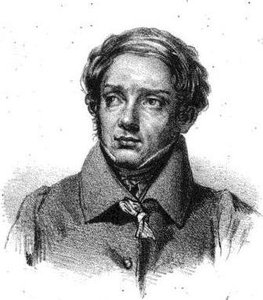
louis léopold robert
1794 - 1835 , Switzerland
Quick Facts
- Artistic Movement Or Style: Anglo-American painting
- Artists Or Movements Influenced By This Artist: ['John Constable']
- Artists Who Influenced This Artist:
- Benjamin West
- Washington Allston
- Date Of Birth: 19 Oct 1794
- Date Of Death: 5 May 1859
- Full Name: Charles Robert Leslie
- Nationality: British
- Notable Artworks:
- The Murder of Rutland
- Londoners Gypsying
- Portrait of John Constable
- Queen Victoria Coronation
- Place Of Birth: London, England

