 Preview
 Send
Send Share
Share
 Details

 Download
 Similars
 X-Ray
X-Ray Diaporama
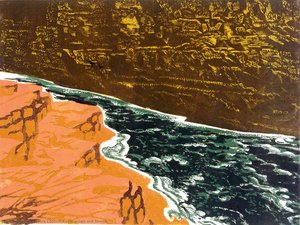
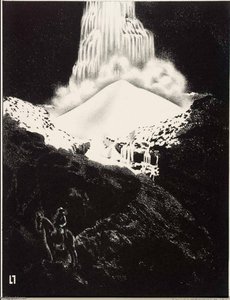
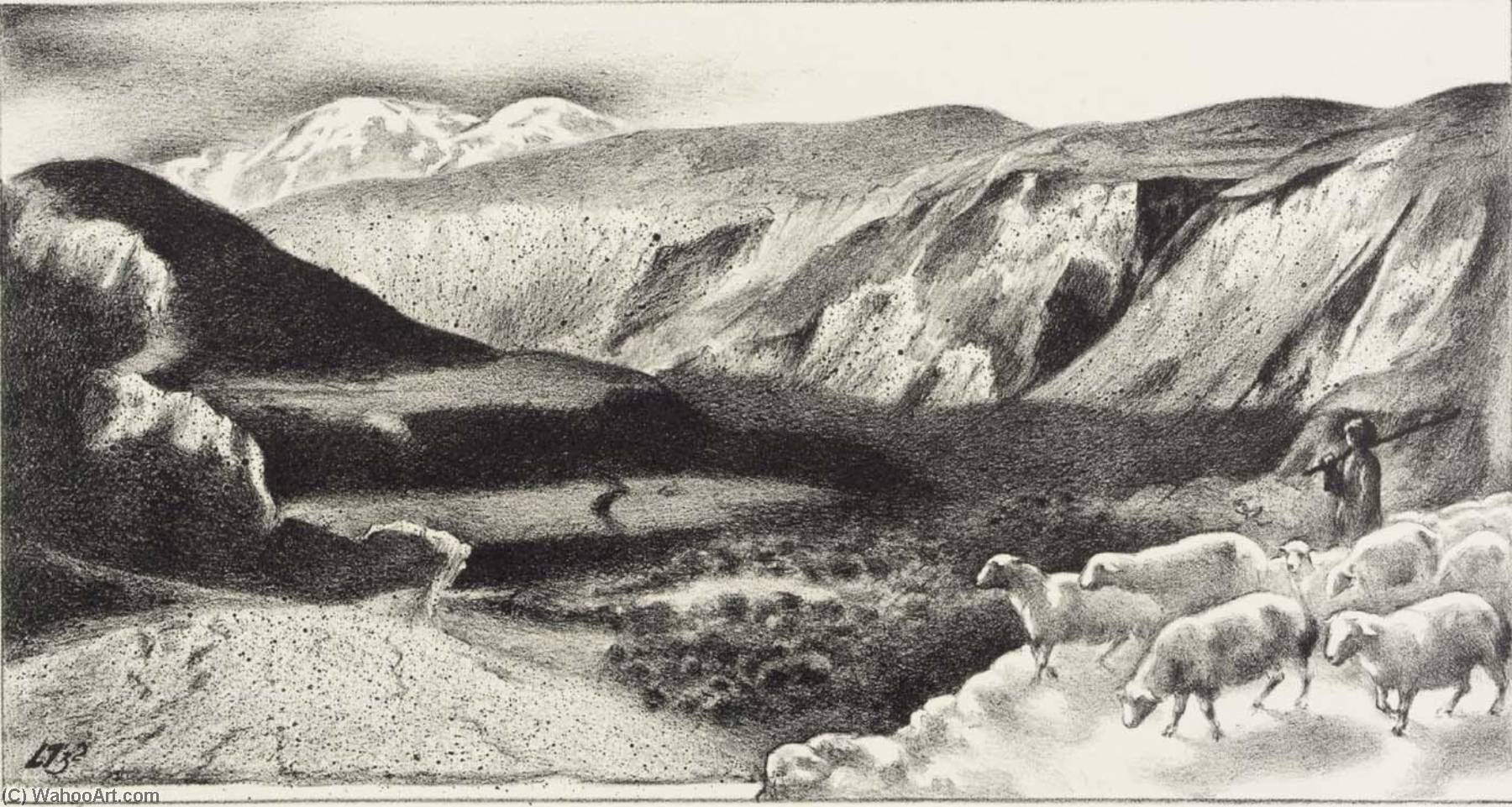
At the Gates of Pamir
 1932
1932 14.0 x 25.0 cm
 Read More
Hand Made Oil Reproduction
Hand-painted oil on canvas in your size and frame, made to order by our artists. ( Buy Print Buy Image)




































Pick from our preset sizes that match the artwork's original proportions.

You may enter your own dimensions to fit a specific frame or space. If your selected size does not match the original image's proportions, we will either crop the artwork or extend the painting with additional hand-painted elements. A digital mockup will be sent for your approval before production begins.
Please note that the on-screen preview does not reflect the actual cropping or extension. Only the mockup will accurately show the final composition.
While custom sizes are available, we recommend selecting a dimension from the predefined list to preserve the original proportions.
After order, ArtsDot.com team will email client for instructions and provide a mockup preview
Worldwide Delivery () in 3/4 weeks instead of standard 5 weeks. (27 August). No compromise on quality.

Free Worldwide Express Shipping

High-Quality Linen Canvas

Full Shipping Insurance

Customs Tax Refund Guarantee

True Color Matching Guarantee

60-Day Return Policy (Defects Only)

100% Money-Back Guarantee

Bulk Discount Offer
 Glass option is only available in size under 110 CM

At the Gates of Pamir
Reproduction Medium
Reproduction Size
-


Total Price
$ 263
The Artist and His Style
Louis Lozowick was a Ukrainian-born American painter and printmaker, recognized for his contributions to the Art Deco and Precisionist movements. His work is characterized by streamline, urban-inspired monochromatic lithographs, which showcase his exceptional command of black-and-white lithography.The Painting: At the Gates of Pamir
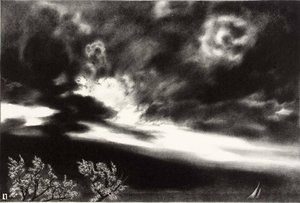
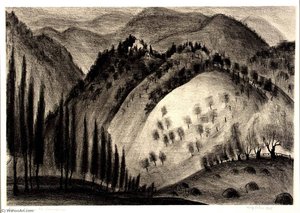
The painting depicts a serene mountainous landscape with a herd of sheep grazing on the side of a hill. The tranquility and harmony conveyed in this scene are a testament to Louis Lozowick's ability to capture the essence of nature. The use of lithography on paper adds a unique texture and depth to the artwork, making it a standout piece in the artist's collection.Other Notable Works by Louis Lozowick
Some of Louis Lozowick's other notable works include: These paintings can be found on the ArtsDot.com website, which offers handmade oil painting reproductions of famous artworks.Conclusion
At the Gates of Pamir is a remarkable piece by Louis Lozowick, showcasing his unique style and technique. For more information on the artist and his works, visit the Wikipedia page on Louis Lozowick. To explore more artworks by Louis Lozowick and other famous artists, visit the ArtsDot.com website.The Smithsonian American Art Museum is also a great resource to learn more about American art and artists like Louis Lozowick.
Related Artworks




Artist Biography
Louis Lozowick: Architect of the American Machine
Born in Ludvinovka, Ukraine – then part of the Russian Empire – in 1892, Louis Lozowick’s artistic journey was a testament to both personal resilience and a profound engagement with the rapidly changing landscape of early 20th-century America. His early life, marked by upheaval following the 1905 Revolution and his family's subsequent migration to Kiev, instilled in him a keen awareness of social currents and a deep appreciation for the dynamism of urban environments. This formative period shaped his artistic vision, leading him to embrace a unique style that fused Precisionism’s meticulous observation with the burgeoning aesthetic of Constructivism and Art Deco – ultimately creating a distinctive voice within American art.
Early Years and Artistic Training
Lozowick's formal artistic training began in Kiev, where he attended the local art school. However, the political instability of his homeland prompted a move to New York City in 1906, accompanied by his family. He quickly navigated the challenges of immigrant life, securing factory jobs while diligently pursuing his passion for art at the National Academy of Design and later at Ohio State University. It was during this period that he developed a foundational understanding of Western artistic traditions, but it was his experiences traveling through Europe – particularly in Berlin between 1922 and 1924 – that proved transformative. He immersed himself in the work of pioneering Russian Constructivists like El Lissitzky and Vladimir Tatlin, absorbing their emphasis on geometric abstraction, industrial efficiency, and a new visual language for representing the modern world.
The Rise of the Machine Aesthetic
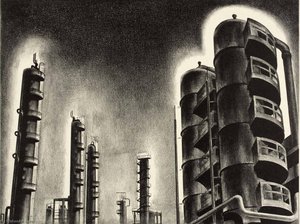
Returning to America, Lozowick began to synthesize these European influences with his own observations of the American urban landscape. His most celebrated work – particularly his lithographs – captured the essence of a nation undergoing rapid industrialization and modernization. He wasn’t simply depicting buildings; he was portraying the *mechanics* of city life: the towering skyscrapers, the intricate networks of elevated trains, the smokestacks billowing with smoke, and the bridges that connected disparate parts of the urban fabric. This fascination with “Industry Harnessed by Man for the Benefit of Mankind,” as he himself described it, manifested in a series of meticulously rendered monochrome prints that possessed both technical precision and a subtle sense of dynamism. His work reflected a growing awareness of the city as a complex machine – a powerful engine driving American progress.
Influence and Legacy
Lozowick’s artistic trajectory was deeply intertwined with the intellectual currents of his time. He became a contributing editor to the left-leaning journal, *New Masses*, reflecting his engagement with social and political issues alongside his artistic pursuits. His work resonated with the broader Constructivist movement, advocating for a new visual language that prioritized clarity, functionality, and geometric forms. His lithographs weren’t merely aesthetic objects; they were statements about American identity, industrial progress, and the relationship between humanity and technology. Later in his career, Lozowick explored themes of landscape and human figures, demonstrating a broadening of his artistic interests while retaining the core principles that defined his signature style. He continued to teach and contribute to the art world until his death in 1973, leaving behind a significant body of work that continues to be studied and admired for its innovative approach to urban representation.
Key Works
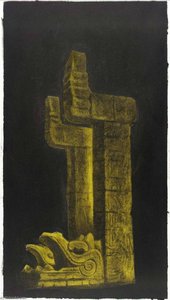
- Relic (ca. 1928) – A powerful lithograph capturing the stark geometry and imposing scale of an American cityscape.
- New York (Brooklyn Bridge) (1926) – An iconic image embodying Lozowick’s fascination with industrial forms and urban infrastructure.
- WPA murals: *Triboro Bridge* and *Lower Manhattan* (1930s) - Public artworks reflecting his engagement with social themes during the Great Depression.
Lozowick's legacy lies in his ability to transform the mundane realities of American industrial life into compelling works of art, offering a unique perspective on the nation’s rapid transformation and its complex relationship with technology and society.
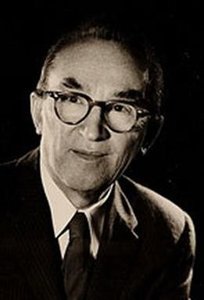
Louis Lozowick
1892 - 1973
Quick Facts
- Artistic Movement Or Style:
- Art Deco
- Precisionism
- Artists Or Movements Influenced By This Artist:
- Constructivism
- DeStijl
- Artists Who Influenced This Artist:
- El Lissitzky
- Laszlo Moholy-Nagy
- Date Of Birth: 1892
- Date Of Death: 1973
- Full Name: Louis Lozowick
- Nationality: Ukrainian-American
- Notable Artworks:
- Relic
- Pittsburgh
- Place Of Birth: Ludvinovka, Ukraine