 Preview
 Send
Send Share
Share
 Details

 Download
 Similars
 X-Ray
X-Ray Diaporama
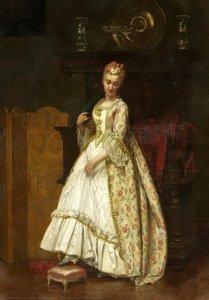
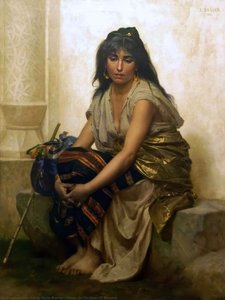
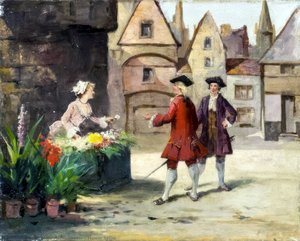
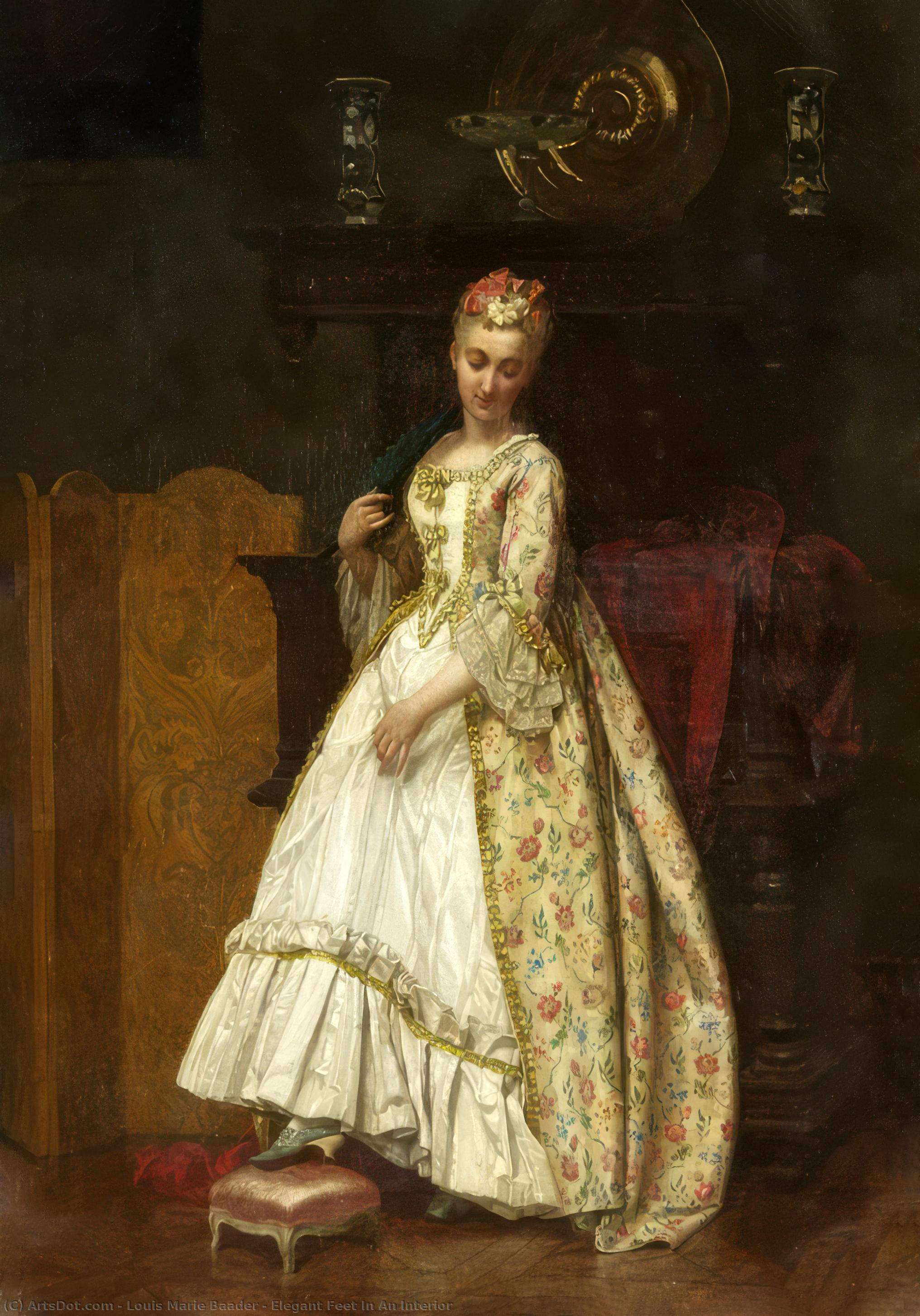
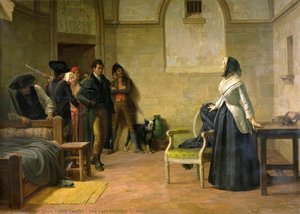
Elegant Feet In An Interior

 Read More
Hand Made Oil Reproduction
Hand-painted oil on canvas in your size and frame, made to order by our artists. ( Buy Print Buy Image)




































Pick from our preset sizes that match the artwork's original proportions.

You may enter your own dimensions to fit a specific frame or space. If your selected size does not match the original image's proportions, we will either crop the artwork or extend the painting with additional hand-painted elements. A digital mockup will be sent for your approval before production begins.
Please note that the on-screen preview does not reflect the actual cropping or extension. Only the mockup will accurately show the final composition.
While custom sizes are available, we recommend selecting a dimension from the predefined list to preserve the original proportions.
After order, ArtsDot.com team will email client for instructions and provide a mockup preview
Worldwide Delivery () in 3/4 weeks instead of standard 5 weeks. (23 August). No compromise on quality.

Free Worldwide Express Shipping

High-Quality Linen Canvas

Full Shipping Insurance

Customs Tax Refund Guarantee

True Color Matching Guarantee

60-Day Return Policy (Defects Only)

100% Money-Back Guarantee

Bulk Discount Offer
 Glass option is only available in size under 110 CM

Elegant Feet In An Interior
Reproduction Medium
Reproduction Size
-


Total Price
$ 263
Related Artworks









Artist Biography
The Soul of Brittany and the Grandeur of History: The Life of Louis-Marie Baader
In the tapestry of nineteenth-century French art, few threads are as intricately woven as those of Louis-Marie Baader. Born in 1828 in Lannion, Baader was a man of dual heritage, the son of a German musician and a Norman mother. This unique lineage gifted him a perspective that bridged the meticulous, disciplined precision often associated with Germanic tradition and the soulful, evocative spirit of the French provinces. His journey through the art world was not merely a pursuit of technique, and yet, his early years in Paris, shaped by the prestigious École des Beaux-Arts under the guidance of Adolphe Yvon, provided him with the academic rigor necessary to command the grandest of canvases.
Baader’s artistic evolution was a fascinating odyssey through different modes of storytelling. While his training prepared him for the monumental demands of history painting, his heart often wandered toward the intimate and the regional. He possessed a rare ability to transition from the epic scale of military narratives to the tender, quiet moments of Breton life. This versatility allowed him to capture both the thunder of Napoleonic warfare and the soft, domestic warmth of a rural afternoon, making him a chronicler of both the nation's triumphs and its most humble traditions.
A Mastery of Narrative and Light
The brilliance of Baader’s work lies in his capacity to imbue historical events with profound human emotion. He did not merely document battles; he sought to render the psychological weight of conflict. His dedication to research was unparalleled, as he meticulously studied the costumes, weaponry, and landscapes of past eras to ensure his military paintings possessed an undeniable authenticity. This commitment earned him significant recognition within the prestigious Paris Salon, where he exhibited regularly from 1857 until 1914.
His achievements were marked by prestigious accolades that opened doors to state patronage:
- Hero and Leander (1866): A work that garnered him a medal, showcasing his ability to blend classical mythology with romantic tension.
- Posthumous Glory (1874): An evocative piece that earned him a third-class medal and led to the acquisition of his works by the French state.
- Genre Painting: Beyond the battlefield, his depictions of Breton life, such as L'Heure du Gouter Bretonne, remain beloved for their ability to capture the charm and cultural essence of the region.
Through his brush, the textures of heavy fabrics, the glint of steel, and the soft light filtering through a rustic window all converge to create a sensory experience. Whether he was painting an elaborate Rococo interior or a rugged landscape, Baader’s technique remained anchored in a deep respect for detail and a profound understanding of composition.
Legacy and Eternal Resonance
As his career progressed, Baader’s focus shifted through various stages—from portraits and religious commissions to the sweeping historical scenes that defined his middle period, eventually returning to the intimate genre works that celebrated the enduring spirit of Brittany. This cyclical movement through different themes reflects an artist who was never content to remain static, but rather one who constantly sought new ways to connect with the human condition.
Louis-Marie Baader passed away in 1920 in Morlaix, leaving behind a legacy that serves as a vital link between the academic traditions of the past and the burgeoning regionalism of the late nineteenth century. His works remain more than mere historical records; they are windows into a vanished world, preserved through his masterful command of color and light. Today, collectors and art enthusiasts continue to find profound beauty in his ability to bridge the gap between the epic and the everyday, ensuring that the stories of both heroes and peasants live on through his enduring artistry.
louis marie baader
1828 - 1920
Quick Facts
- Artistic Movement Or Style: Romanticism
- Artists Or Movements Influenced By This Artist: ['Romantic Painting']
- Artists Who Influenced This Artist: ['Adolphe Yvon']
- Date Of Birth: 1828
- Date Of Death: 1920
- Full Name: Louis Marie Baader
- Nationality: French
- Notable Artworks:
- Remorse
- Portrait Of Louis François Roger Renouard
- LE DERNIER MATIN DE MARIE ANTOINETTE
- Place Of Birth: Germany