 Preview
 Send
Send Share
Share
 Details

 Download
 Similars
 X-Ray
X-Ray Diaporama
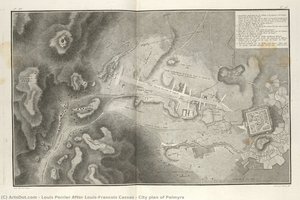
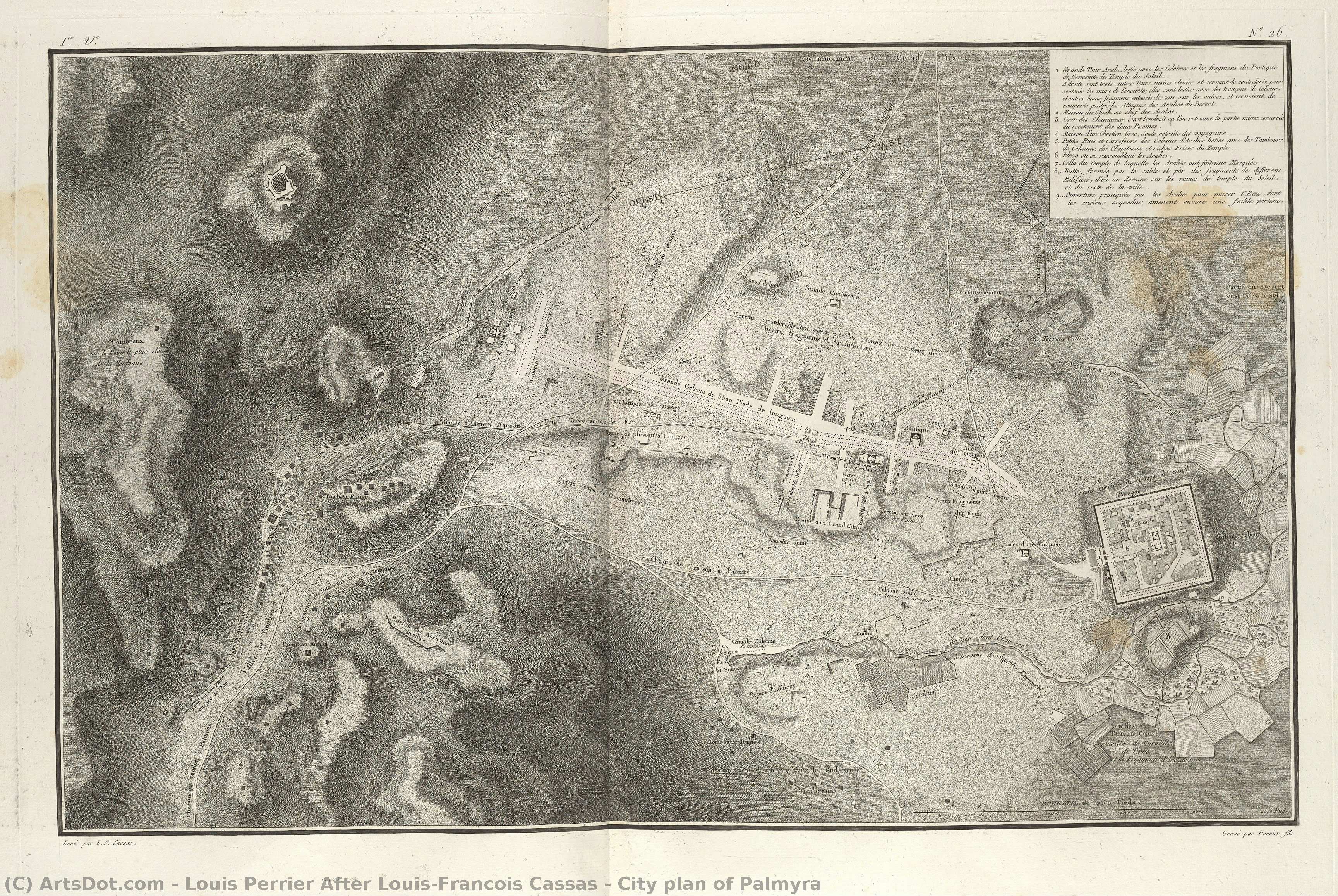
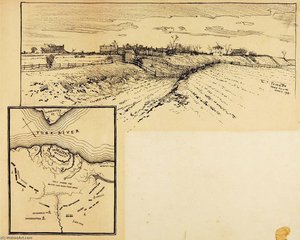
City plan of Palmyra


 Read More
Giclée / Art Print
Museum-quality giclée or canvas print with fast production and flexible finish options. ( Buy Hand Made Painting Buy Image)




































Pick from our preset sizes that match the artwork's original proportions.

You may enter your own dimensions to fit a specific frame or space. If your selected size does not match the original image's proportions, we will either crop the artwork or extend the image with a mirrored or solid-fill edge. A digital mockup will be sent for your approval before production begins.
Please note that the on-screen preview does not reflect the actual cropping or extension. Only the mockup will accurately show the final composition.
While custom sizes are available, we recommend selecting a dimension from the predefined list to preserve the original proportions.
Worldwide Delivery () in 2 weeks instead of standard 4/5 weeks. (1 September)

Free Worldwide Express Shipping

High-Quality Linen Canvas

Full Shipping Insurance

Customs Tax Refund Guarantee

True Color Matching Guarantee

60-Day Return Policy (Defects Only)

100% Money-Back Guarantee

Bulk Discount Offer
 Glass option is only available in size under 110 CM

City plan of Palmyra
Giclée / Art Print
Reproduction Size
-


Total Price
$ 63
Related Artworks





Artist Biography
John Trumbull: The Painter of the Revolution
Born in Lebanon, Connecticut, in 1756, John Trumbull’s life was inextricably linked to the very events he would immortalize on canvas – the American Revolutionary War. His lineage, tracing back to prominent Puritan settlers and bolstered by his father's distinguished service as Governor of Connecticut, provided him with a unique vantage point, not just within colonial society but also directly into the heart of its defining struggle. Trumbull’s story is one of a man who transitioned from soldier to artist, driven by a profound desire to document and celebrate the birth of a nation, earning him the enduring title “The Painter of the Revolution.”
Trumbull's early life was marked by both privilege and adversity. The childhood accident that resulted in the loss of sight in one eye profoundly shaped his artistic approach – he developed an exceptionally detailed style, meticulously rendering textures and forms with a heightened sense of observation. This meticulousness became a hallmark of his work, lending a remarkable realism to his historical scenes. His formal education at Harvard College provided him with a foundation in classical art and design, though it was through direct experience—serving as a soldier during the war—that he truly honed his artistic vision.
A Soldier’s Eye: Trumbull's Military Service
Trumbull’s military career began with service as an aide-de-camp to General Washington, a position that afforded him invaluable access to key events and figures. He diligently sketched battlefield plans at Boston during the Siege of Boston, providing crucial intelligence to the Continental Army – a testament to his strategic mind and artistic skill. His participation in the Battle of Bunker Hill, though he did not actively engage in combat, solidified his understanding of the war’s realities and fueled his determination to capture its essence on canvas. This firsthand experience wasn't merely observational; it instilled within him a deep respect for the sacrifices made by those fighting for independence.
The Revolutionary Narratives: Trumbull’s Masterpieces
Trumbull’s most celebrated works are undoubtedly his four monumental history paintings that dominate the United States Capitol Rotunda. These colossal canvases, commissioned in 1819, depict pivotal moments in the Revolution – “George Washington Resigning His Commission,” “The Declaration of Independence,” “Battle of Bunker Hill,” and “Surrender of Lord Cornwallis.” Each painting is a complex narrative, meticulously researched and powerfully rendered. “George Washington Resigning His Commission” captures the solemnity of the moment when the General relinquished his command, while "The Declaration of Independence" vividly portrays the signing of the document that would shape the nation’s destiny. “Battle of Bunker Hill” showcases the bravery and tenacity of the American forces, and “Surrender of Lord Cornwallis” depicts the decisive victory at Yorktown.
These works are not simply historical records; they are carefully constructed allegories designed to inspire patriotism and reinforce the ideals of republicanism. Trumbull’s deliberate use of light, color, and composition elevates these scenes into timeless symbols of American courage and self-governance. The influence of Henry Raeburn, a contemporary Scottish painter known for his dramatic lighting and dynamic compositions, is subtly evident in Trumbull's work, particularly in the theatrical presentation of historical events.
Legacy and Enduring Symbolism
John Trumbull’s legacy extends far beyond the walls of the Capitol. His paintings have become integral to the visual narrative of American history, serving as enduring symbols of the nation’s founding principles. Perhaps most famously, the image of George Washington resigning his commission appears on the reverse of the United States two-dollar bill – a testament to the lasting impact of Trumbull's artistic vision. His work continues to be studied and admired for its historical accuracy, technical skill, and profound emotional resonance, solidifying his place as one of America’s most important painters and a true “Painter of the Revolution.”
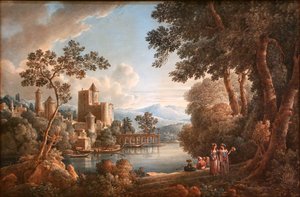
louis perrier after louis-francois cassas
1756 - 1827 , France
Quick Facts
- Artistic Movement Or Style: Historical painting
- Artists Or Movements Influenced By This Artist: ['Historical painting']
- Artists Who Influenced This Artist: ['Henry Raeburn']
- Date Of Birth: June 6, 1756
- Date Of Death: November 10, 1843
- Full Name: John Trumbull
- Nationality: American
- Notable Artworks:
- Declaration of Independence
- Washington Resigns His Commission
- Cornwallis Surrenders
- Place Of Birth: Lebanon, Connecticut