

 Preview
 Send
Send Share
Share
 Details

 Download
 Similars
 X-Ray
X-Ray Diaporama
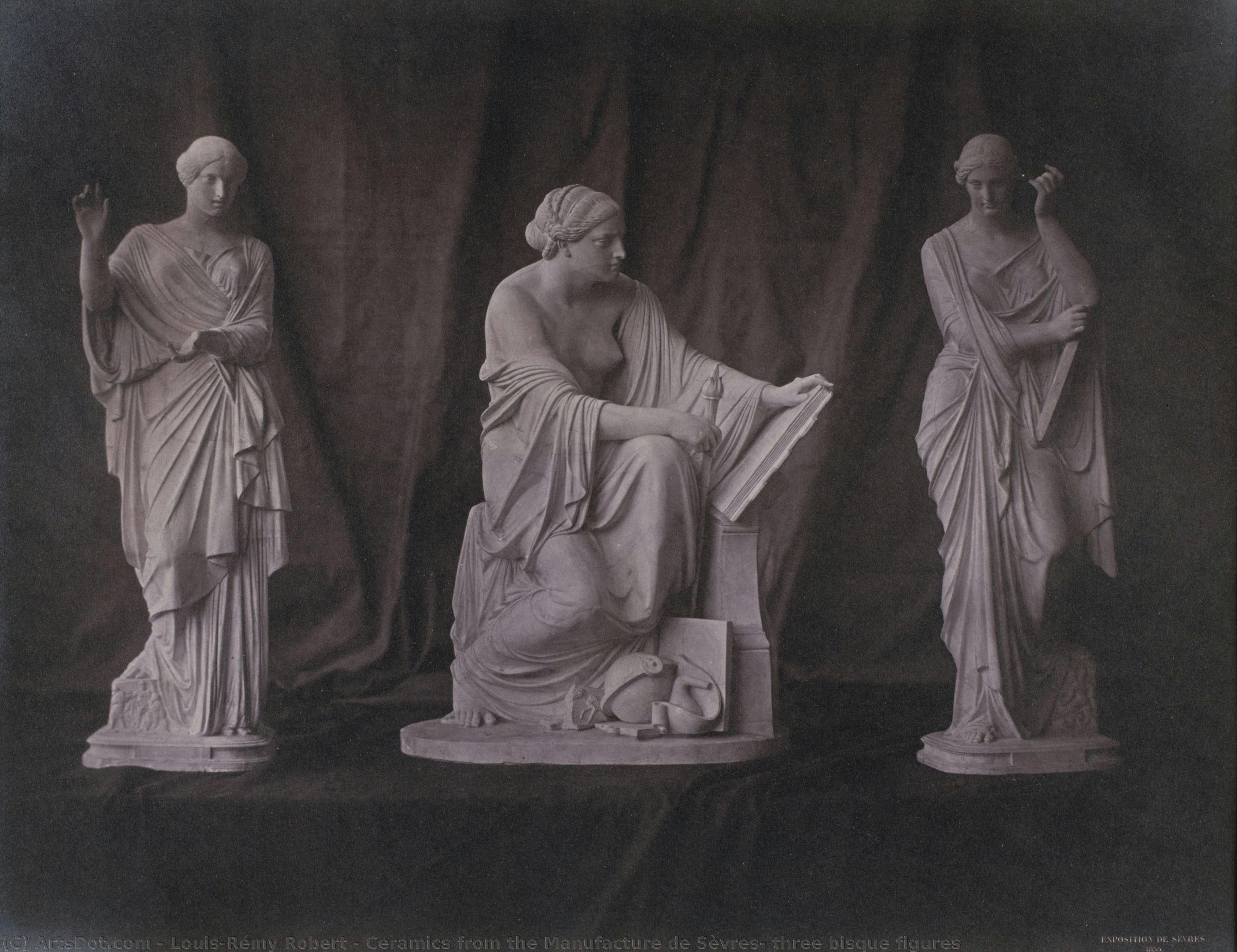
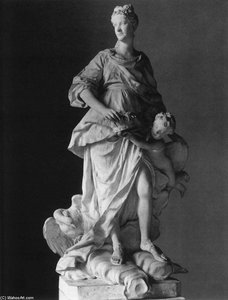
Ceramics from the Manufacture de Sèvres, three bisque figures
 1855
1855 5.0 x 32.0 cm
 Château de Chantilly
 Read More
Purchase a high-resolution, enhanced digital image, far superior to the online preview.
Each file is meticulously prepared by our in-house specialists using advanced tools and expert manual retouching. We ensure every image has exceptional clarity, precise color accuracy, and fine detail.
The final file is delivered via email within 72 hours, optimized for immediate use in professional, editorial, and print environments. This is the same quality trusted by top-tier design studios, publishers, and galleries.
Digital Image
Download a high-resolution file for personal display, printing, and creative projects. ( Buy Print Buy Hand Made Painting)
Included in Every Digital Image Order
Expert Digital Delivery, Guaranteed
When you choose ArtsDot.com, you're not just getting an image - you're receiving a professionally enhanced digital artwork, crafted with precision and backed by a satisfaction guarantee. Here's everything that comes with your order, automatically:

Fast Email Delivery
Your high-resolution digital image file will be emailed to you within 72 hours of ordering - ready for immediate use.

AI-Enhanced Digital File
Your artwork is professionally optimized using advanced AI tools and manual editing, ensuring maximum detail, clarity, and color accuracy.

Free Lifetime Re-Delivery
Accidentally deleted or lost your file? No worries - we'll resend it to you anytime, free of charge.

No Import Fees - Ever
Enjoy your artwork instantly with zero customs, duties, or delivery fees - digital downloads are always tax-free.

Color Accuracy Guarantee
We ensure your digital image reflects the original colors as closely as possible using professional tools and color management.

60-Day Satisfaction Guarantee
If you're not satisfied with your digital image, we'll revise it or refund 100% within 60 days - no questions asked.

100% Money-Back Guarantee
Not satisfied? Get a full refund within 60 days of receiving your digital file - no questions asked.

Bulk Order Discounts
Buy 3 images, save 10% - Buy 5, save 15% - Buy 10+, save 20%. Great for creative projects, galleries, and agencies.
Related Artworks






Artist Biography
John Singleton Copley: A Bostonian Pioneer of Portraiture
John Singleton Copley, born in Boston in 1738, stands as a pivotal figure in the history of American art, bridging the gap between the nascent colonial spirit and the established traditions of European portraiture. His life was marked by both professional success and personal tragedy, ultimately leading him to relocate to England where he continued to paint with considerable acclaim. Copley’s legacy rests primarily on his masterful portraits, which captured the essence of Boston society during a period of immense change and burgeoning identity. He wasn't simply a painter; he was an observer, meticulously documenting the lives and appearances of his patrons – merchants, politicians, and prominent families – offering a remarkably detailed window into colonial life.Early Life and Artistic Training
Copley’s origins were rooted in a complex family history. His father, Richard Copley, was an Anglo-Irish tobacco merchant who arrived in Boston from Limerick, Ireland, seeking his fortune. His mother, Mary Singleton Copley, descended from the prominent Singleton family of County Clare, England – a lineage known for its connection to Lancashire textiles. This blended heritage shaped Copley’s artistic sensibilities, exposing him to both the rugged landscapes and refined traditions of Europe. Initially, he received informal training from his uncle, Henri-François Riesener, a painter who had served as an artist to Louis XVI. Riesener's studio in Boston provided a crucial foundation, introducing Copley to techniques of drawing and painting, though it was ultimately a limited environment for developing a truly distinctive style. He later traveled to London in 1774, seeking greater opportunities and exposure to the wider artistic world.The Rise of a Colonial Portraitist
Copley quickly established himself as Boston’s leading portrait painter. His ability to capture not just likeness but also personality was highly sought after by wealthy merchants and prominent figures. He meticulously studied his subjects, often employing a technique known as “dead drawing,” where he would sketch the sitter repeatedly from different angles before beginning the final painting. This process allowed him to achieve an unparalleled level of accuracy and detail. His portraits were not merely representations; they were carefully constructed narratives, reflecting the social status, wealth, and aspirations of his sitters. Notable works like “Boy with a Silver Cup” (1769) and “Josiah Bartlett” (1774) exemplify this skill, showcasing his ability to convey both physical appearance and inner character. The influence of Sir Thomas Lawrence, the official court painter in England, is evident in Copley’s refined compositions and elegant handling of light and shadow – a testament to the connections forged during his time in London.Innovation and Historical Painting
Copley's career extended beyond portraiture into the realm of historical painting, demonstrating an ambition that set him apart from many of his contemporaries. He embraced a more modern approach, depicting contemporary subjects and dress within grand historical narratives. His “Watson and the Shark” (1774), a dramatic scene inspired by a true story, is a prime example. The painting’s dynamic composition, realistic depiction of the shark, and focus on the immediate aftermath of the rescue captivated audiences and signaled Copley's willingness to break from traditional academic conventions. He also undertook large-scale historical commissions, including “The Landing of Washington at New York” (1796), a monumental work that showcased his ambition and technical skill.Later Years and Legacy
Despite achieving considerable success in London, Copley’s later years were marked by financial difficulties and personal hardship. He was burdened with significant debts, largely due to the cost of producing his large-scale historical paintings. He tragically lost his wife, Mary Singleton Copley Pelham, in 1815, a devastating blow that further compounded his struggles. John Singleton Copley died in London in 1815, deeply in debt and largely forgotten by the art world. However, his work was rediscovered in the 20th century, and today he is recognized as one of the most important figures in American art history – a pioneer who helped to establish portraiture as a respected and sophisticated genre, and an artist whose innovative approach paved the way for future generations of painters. His meticulous detail, psychological insight, and willingness to embrace contemporary subjects continue to resonate with viewers today, offering a compelling glimpse into the world of colonial Boston and beyond.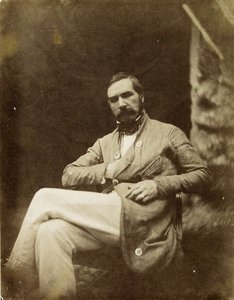
louis-rémy robert
1815 - 1882 , France
Quick Facts
- Artistic Movement Or Style: Portrait painting
- Artists Or Movements Influenced By This Artist: ['Portrait painting']
- Artists Who Influenced This Artist: ['Thomas Gainsborough']
- Date Of Birth: July 3, 1738
- Date Of Death: September 9, 1815
- Full Name: John Singleton Copley
- Nationality: American
- Notable Artworks:
- Watson and the Shark
- Mary Singleton Copley Pelham
- Place Of Birth: Boston, Massachusetts Bay

