 Preview
 Send
Send Share
Share
 Details

 Download
 Similars
 X-Ray
X-Ray Diaporama
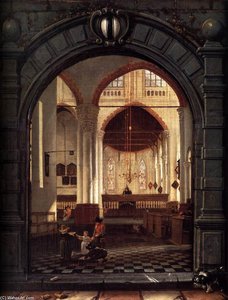
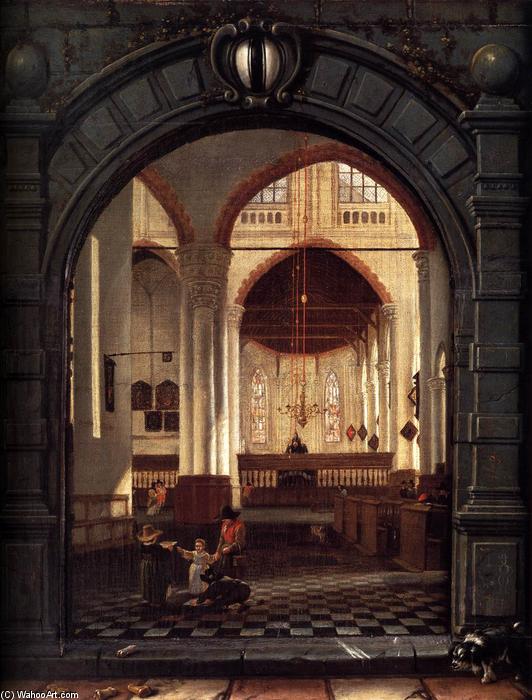
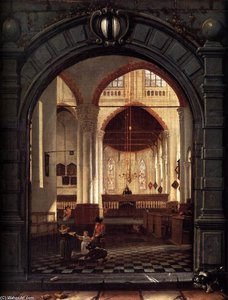
Interior of the Oude Kerk, Delft, Seen through a Stone Archway
 Oil
Oil- WallArt
- Dutch Golden Age
 1653
1653- Early Modern
 55.0 x 45.0 cm
 Museu Nacional de Arte Antiga
 Read More
Hand Made Oil Reproduction
Hand-painted oil on canvas in your size and frame, made to order by our artists. ( Buy Print Buy Image)




P118B $10

P118H $10

P118W $10

P438Z $10

P508JH $12

P508YH $12

P805H $10

P805Z $10

P919BZ $10

P919G $10

P919XJ $10

P959ZH $10

P968JZ $12

W106C $8

W218G $10

W218JH $8

W218Y $10

W307PJ $10

W316G $10

W316PJ $8

W316Y $10

W398PJ $8

W4111J $10

W500HY $15

W500JH $15

W692G $12

W849H $8

W940BG $15

W953PJ $8




Pick from our preset sizes that match the artwork's original proportions.

You may enter your own dimensions to fit a specific frame or space. If your selected size does not match the original image's proportions, we will either crop the artwork or extend the painting with additional hand-painted elements. A digital mockup will be sent for your approval before production begins.
Please note that the on-screen preview does not reflect the actual cropping or extension. Only the mockup will accurately show the final composition.
While custom sizes are available, we recommend selecting a dimension from the predefined list to preserve the original proportions.
After order, ArtsDot.com team will email client for instructions and provide a mockup preview
Worldwide Delivery () in 3/4 weeks instead of standard 5 weeks. (25 August). No compromise on quality.

Free Worldwide Express Shipping

High-Quality Linen Canvas

Full Shipping Insurance

Customs Tax Refund Guarantee

True Color Matching Guarantee

60-Day Return Policy (Defects Only)

100% Money-Back Guarantee

Bulk Discount Offer
 Glass option is only available in size under 110 CM

Interior of the Oude Kerk, Delft, Seen through a Stone Archway
Reproduction Medium
Reproduction Size
-


Total Price
$ 263
Artwork Description
A Window into the Golden Age
Stepping into the presence of Louys Aernoutsz Elsevier’s Interior of the Oude Kerk, Delft, Seen through a Stone Archway is akin to peering through a temporal portal into the heart of the seventeenth-century Netherlands. This masterful composition does not merely depict a space; it invites the viewer to linger within the quiet, hallowed atmosphere of one of Delft’s most sacred landmarks. Through the heavy, textured frame of a weathered stone archway, we are granted an intimate glimpse into the life of the Oude Kerk. The artist employs a sophisticated use of perspective, utilizing the architectural weight of the foreground arch to create a profound sense of depth that draws the eye irresistively toward the soft, diffused light illuminating the nave beyond.
The scene is a delicate dance of light and shadow, characteristic of the Dutch Golden Age. Elsevier captures the way sunlight filters through high windows, catching the edges of furniture and casting long, gentle shadows across the floor. Within the church, a quiet community unfolds; figures are scattered throughout the space, some engaged in silent contemplation, others moving through the aisles. This sense of lived reality—the presence of people within a monumental structure—transforms the painting from a mere architectural study into a vibrant social document. The inclusion of everyday elements, such as the humble bench and the dining table positioned near the periphery, grounds the spiritual grandeur of the cathedral in the tangible, domestic reality of Delft life.
Mastery of Light and Architectural Detail
Technically, Elsevier demonstrates an extraordinary command over the interplay between structural permanence and ephemeral light. The stone archway, rendered with meticulous attention to texture and weight, serves as a rugged threshold between the viewer’s world and the ethereal interior of the church. His brushwork in the foreground is deliberate and tactile, allowing the viewer to almost feel the coolness of the masonry. As the gaze travels deeper into the painting, the technique shifts toward a more atmospheric approach, where edges soften and colors blend into a harmonious palette of earth tones, muted ochres, and soft greys.
The composition is further enriched by subtle decorative accents that add layers of visual interest for the discerning collector. The placement of vases—one near the upper periphery, another tucked in a corner, and a third anchoring the mid-ground—creates a rhythmic movement across the canvas, guiding the eye in a circular journey through the room. For interior designers, this piece offers a profound sense of equilibrium; its balanced composition and sophisticated tonal range make it an ideal centerpiece for spaces that demand both historical gravity and a serene, contemplative mood.
A Legacy of Quiet Grandeur
Beyond its aesthetic brilliance, this work serves as a poignant reminder of the cultural zenith experienced by Delft during Elsevier’s lifetime. As a prominent figure in the Delft guild, the artist was uniquely positioned to capture the intersection of civic pride and religious devotion. The painting captures more than just a building; it captures an era of stability, prosperity, and deep-seated tradition. There is a profound emotional resonance in the stillness of the scene—a sense of peace that transcends the centuries.
Owning a high-quality reproduction of this masterpiece allows one to bring this piece of Dutch history into a contemporary setting. Whether placed in a formal study, a grand hallway, or a quiet reading nook, the Interior of the Oude Kerk acts as an anchor of elegance. It provides a conversation piece that speaks of architectural heritage, the beauty of everyday moments, and the enduring power of light to transform even the most solid stone into something truly divine.
Related Artworks
Artist Biography
The Painter of Delft’s Quiet Splendor
In the golden light of the seventeenth-century Netherlands, few artists captured the soul of daily existence with as much tender precision as Louys Aernoutsz Elsevier. Born in Leiden in 1618, Elsevier was a child of the Dutch Golden Age, raised in an environment where visual storytelling was woven into the very fabric of domestic life. His artistic journey began under the watchful eye of his father, Aernout Elsevier, a painter and innkeeper whose dual vocation likely instilled in the young Louys a profound appreciation for both the beauty of the canvas and the vibrant, bustling reality of human interaction. This early immersion in the traditions of the Leiden guild of St. Luke provided him with a rigorous technical foundation, yet it was his move to Delft that would ultimately define his legacy.
By 1645, Elsevier had established himself within the prestigious Delft guild, a community that would become the epicenter of his creative and professional life. His presence in this burgeoning artistic hub was not merely that of a participant but of a leader; his service as headman of the guild between 1669 and 1674 speaks to a man held in high esteem by his peers. His connection to the city was deeply personal, anchored by his residence in “The Blue Dog,” a house adjacent to the Oude Kerk that served as both his sanctuary and his studio. Within these walls, Elsevier lived a life of stability and commerce, married to Helena Waelpoth, the daughter of a prosperous printer, a union that bridged the worlds of fine art and the industrious merchant class of the era.
A Mastery of Light and Lived Reality
The true magic of Elsevier’s oeuvre lies in his ability to transform the mundane into the monumental. He possessed a rare, lyrical observation that allowed him to find the extraordinary within the ordinary. Whether he was rendering the bustling energy of a market square or the hushed, sacred stillness of a cathedral interior, his brushwork sought a perfect equilibrium between realism and atmosphere. One can almost feel the weight of history when viewing his depictions of the Oude Kerk, where he utilizes architectural elements like weathered stone archways to create a profound sense of depth, drawing the viewer into a space where sunlight filters through high windows to dance upon the floor.
His technique was characterized by a sophisticated command of tonal gradation and clarity of form. While the shadows in his work may echo the dramatic intensity of Rembrandt, there is a distinctively Delftois lightness—a way of capturing the ephemeral quality of light as it touches a humble wooden bench or a dining table—that remains uniquely his own. This mastery extended beyond mere architectural studies; Elsevier was a chronicler of the human condition. His landscapes and interiors are populated by figures engaged in silent contemplation or quiet movement, turning his paintings into vibrant social documents that capture the pulse of a society at its zenith.
Legacy of the Dutch Golden Age
Beyond his identity as a painter, Elsevier was a man of multifaceted talents, operating also as an art merchant and even trading in essential pigments like lead white. This intimate knowledge of the artist's materials likely contributed to the textural richness found in his work, where the tactile quality of stone and fabric is rendered with meticulous care. Though he eventually moved toward Utrecht, his heart and his most enduring contributions remained tethered to the streets and churches of Delft.
Today, the significance of Louys Aernoutsz Elsevier rests in his role as a vital link in the chain of Dutch Master painters. He did not merely paint scenes; he preserved the atmosphere of an era. His ability to blend the structural permanence of architecture with the fleeting beauty of light ensures that his work remains a window into the seventeenth century—a period where every shadow held a story and every sunbeam offered a glimpse into the divine within the everyday.
louys aernoutsz elsevier
1618 - 1675 , Netherlands
Quick Facts
- Artistic Movement Or Style: Delft School
- Artists Or Movements Influenced By This Artist: ['Jacob Savery']
- Artists Who Influenced This Artist: ['Aernout Elsevier']
- Date Of Birth: 1618
- Full Name: Louys Aernoutsz Elsevier
- Nationality: Dutch
- Notable Artworks: ['Interior of the Oude Kerk, Delft']
- Place Of Birth: Leiden, Netherlands
Related Articles

Dutch Baroque Masters: 10 Paintings That Shaped an Era | ArtsDot
Journey through the Golden Age with our guide to the Top 10 Dutch Baroque masterpieces! Explore iconic paintings by Rembrandt, Vermeer & Frans Hals. Find museum-quality art reproductions and elevate your home decor at ArtsDot.com.

Dutch Masters: 10 Golden Age Paintings That Still Inspire |
Journey into the Dutch Golden Age! Explore 10 iconic paintings by Rembrandt, Vermeer & Hals. Discover the stories behind these Baroque masterpieces and find museum-quality art reproductions to elevate your home decor on .

Golden Age Reflections: Dutch Baroque Painting & Cultural Innovation
Explore the Dutch Golden Age of painting! Discover key artists like Vermeer & ter Borch, their innovative techniques, and the rich cultural context behind these Baroque masterpieces. Learn about collecting & appreciating this iconic art period.
Golden Light & Dutch Skies: Bringing the Magic of Dutch Golden Age Landscapes into Your Home
Transform your home with the breathtaking light of Dutch Golden Age landscapes. Discover how hand-painted oil reproductions of masterworks like Ruisdael and Vermeer bring timeless elegance, atmosphere, and soulful texture to modern interiors. Elevate your space with museum-quality art.

Illuminating Innovation: Exploring the Dutch Golden Age of Painting
Explore the Dutch Golden Age of painting with ArtsDot. Discover Rembrandt, Vermeer & other Masters. Learn about key characteristics, iconic artworks, and lasting influence. Expert insights for collectors & enthusiasts.