

 Preview
 Send
Send Share
Share
 Details

 Download
 Similars
 X-Ray
X-Ray Diaporama
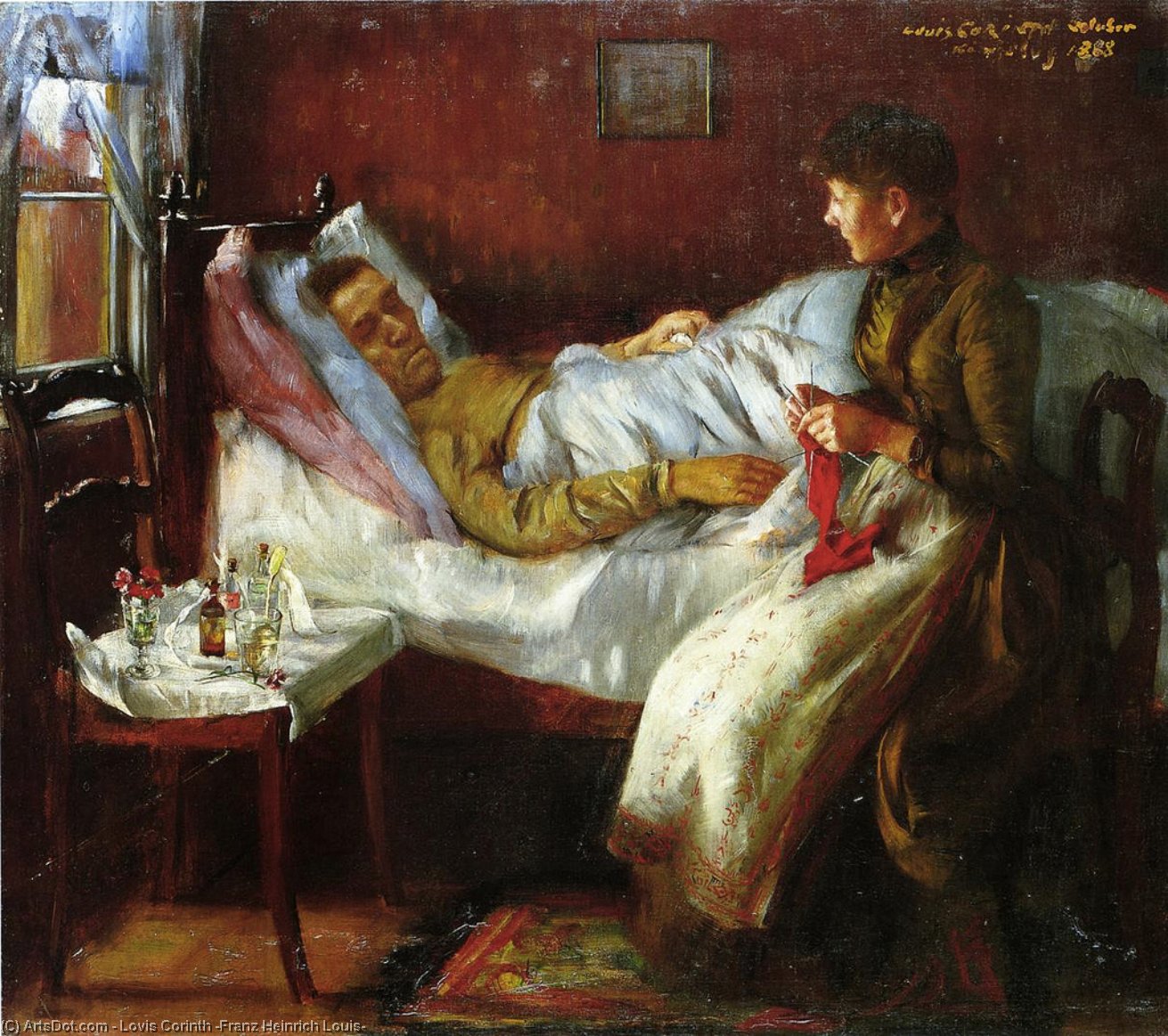
Franz Heinrich Corinth on His Sickbed
 Acrylic On Canvas
- WallArt
- Expressionism & Impressionism
 1888
1888- 19th Century
 61.0 x 70.0 cm
 Städelsche Kunstinstitut Und Städtische Galerie
 Read More
Purchase a high-resolution, enhanced digital image, far superior to the online preview.
Each file is meticulously prepared by our in-house specialists using advanced tools and expert manual retouching. We ensure every image has exceptional clarity, precise color accuracy, and fine detail.
The final file is delivered via email within 72 hours, optimized for immediate use in professional, editorial, and print environments. This is the same quality trusted by top-tier design studios, publishers, and galleries.
Digital Image
Download a high-resolution file for personal display, printing, and creative projects. ( Buy Print Buy Hand Made Painting)
Included in Every Digital Image Order
Expert Digital Delivery, Guaranteed
When you choose ArtsDot.com, you're not just getting an image - you're receiving a professionally enhanced digital artwork, crafted with precision and backed by a satisfaction guarantee. Here's everything that comes with your order, automatically:

Fast Email Delivery
Your high-resolution digital image file will be emailed to you within 72 hours of ordering - ready for immediate use.

AI-Enhanced Digital File
Your artwork is professionally optimized using advanced AI tools and manual editing, ensuring maximum detail, clarity, and color accuracy.

Free Lifetime Re-Delivery
Accidentally deleted or lost your file? No worries - we'll resend it to you anytime, free of charge.

No Import Fees - Ever
Enjoy your artwork instantly with zero customs, duties, or delivery fees - digital downloads are always tax-free.

Color Accuracy Guarantee
We ensure your digital image reflects the original colors as closely as possible using professional tools and color management.

60-Day Satisfaction Guarantee
If you're not satisfied with your digital image, we'll revise it or refund 100% within 60 days - no questions asked.

100% Money-Back Guarantee
Not satisfied? Get a full refund within 60 days of receiving your digital file - no questions asked.

Bulk Order Discounts
Buy 3 images, save 10% - Buy 5, save 15% - Buy 10+, save 20%. Great for creative projects, galleries, and agencies.
Collectible Description
A Moment of Profound Sorrow: Lovis Corinth’s ‘Franz Heinrich Corinth on His Sickbed’
Lovis Corinth's 1888 painting, “Franz Heinrich Corinth on His Sickbed,” is far more than a simple portrait; it’s a deeply poignant exploration of familial love, vulnerability, and the quiet dignity of suffering. The canvas captures a fleeting moment – a man, likely nearing his end, attended by his devoted daughter – radiating an atmosphere of profound sadness and unwavering care. Corinth, a master of capturing raw emotion, eschews idealized beauty in favor of a brutally honest depiction of mortality, offering viewers a rare glimpse into the intimate realities of life and death within a close-knit family.
The scene unfolds within a modestly furnished room, dominated by the bed where Franz Heinrich Corinth lies. The artist’s meticulous attention to detail reveals not just the physical state of the ailing father – his face subtly tinged with yellow, indicative perhaps of jaundice or illness – but also the surrounding objects that speak volumes about his condition: scattered bottles suggesting attempts at treatment, a simple cup, and a partially knitted garment hinting at the daughter's tireless efforts. Corinth masterfully uses light and shadow to create a sense of intimacy and vulnerability; the muted tones contribute to the overall feeling of somber reflection.
Impressionistic Realism and the Artist’s Personal Vision
Corinth, a pivotal figure bridging Impressionism and Expressionism, employed a distinctive style that blended realism with intensely personal emotion. “Franz Heinrich Corinth on His Sickbed” exemplifies this approach perfectly. While rooted in observational detail – the textures of the bedclothes, the arrangement of objects – the painting transcends mere representation through Corinth’s expressive use of color and brushwork. Notice how he doesn't shy away from depicting the illness; instead, he embraces it, using a slightly unsettling palette to convey both the physical deterioration and the emotional weight of the situation.
The artist’s technique is characterized by loose, visible brushstrokes, particularly in the rendering of the father’s face and hands. This deliberate lack of polish contributes to the painting's immediacy and emotional impact. Corinth wasn’t interested in creating a polished likeness; he sought to capture the essence of the moment – the quiet sorrow, the unwavering devotion, and the acceptance of mortality.
Symbolism and the Language of Care
Beyond the immediate depiction of illness and care, “Franz Heinrich Corinth on His Sickbed” is rich in symbolic detail. The scattered bottles represent the various remedies attempted to alleviate the father’s suffering – a testament to both his vulnerability and the daughter's determination. The knitted garment, a symbol of comfort and protection, speaks volumes about her role as caregiver and protector. Even the small vase of red flowers—a vibrant splash of color against the muted palette—can be interpreted as a gesture of hope and remembrance.
The composition itself is carefully considered. The daughter’s seated posture, with her hands folded in empathy, draws the viewer's eye to her face – a mask of quiet sorrow and unwavering love. Corinth has deliberately placed her close to the ailing father, emphasizing their shared experience of grief and vulnerability. This intimate arrangement underscores the profound bond between them and elevates the painting beyond a simple portrait into a powerful meditation on family, loss, and the enduring strength of human connection.
A Timeless Portrait of Human Experience
“Franz Heinrich Corinth on His Sickbed” remains a profoundly moving work of art. It’s not merely a depiction of illness; it's an exploration of the complexities of love, grief, and acceptance. Lovis Corinth’s masterful use of light, color, and composition creates a deeply emotional experience for the viewer, inviting us to contemplate our own relationships with loved ones and the inevitability of mortality. ArtsDot offers exquisite hand-painted reproductions that faithfully capture the painting's beauty and emotional depth, allowing you to bring this timeless masterpiece into your home or office.
Related Artworks
Artist Biography
A Life Forged in Paint: The World of Lovis Corinth
Lovis Corinth, born Franz Heinrich Louis on July 21, 1858, in the Prussian province of East Prussia, was a figure who embodied the tumultuous transition from the 19th to the early 20th-century art world. His journey wasn’t one of immediate acclaim but rather a gradual evolution fueled by relentless study, diverse influences, and ultimately, personal tragedy. Corinth's beginnings were rooted in the rural landscapes of his birthplace, Tapiau, where his father worked as a tanner. This early exposure to the physicality of labor and the raw beauty of nature would subtly permeate his later work, even amidst more sophisticated stylistic explorations. He initially pursued studies at the Academy of Königsberg in 1876, but quickly realized that academic tradition alone wouldn’t satisfy his artistic ambitions. A period of travel followed, taking him to Munich, Antwerp, and finally Paris – each city serving as a crucial stepping stone in his development. In Munich, he absorbed the meticulous realism championed by Ludwig von Löfftz, honing his observational skills and mastering technique. Antwerp introduced him to the dramatic Baroque intensity of Rubens, while Paris exposed him to the burgeoning Impressionist movement, though his initial response was one of cautious observation rather than immediate embrace.From Naturalism to a Synthesis of Styles
Corinth’s artistic development wasn't marked by swift revolutions but by a gradual assimilation and synthesis of diverse influences. His early work leaned heavily towards naturalism, reflecting the prevailing academic standards of the time. Paintings like “In the Slaughterhouse” (1878), with its unflinching depiction of animal carcasses, demonstrate this commitment to realistic representation, yet even here, a nascent emotional intensity begins to surface. The subject matter itself—gruesome and visceral—hints at a willingness to confront uncomfortable truths, a characteristic that would become increasingly prominent in his later work. His time spent studying the Old Masters, particularly Rubens, instilled in him a love of dynamic composition and expressive brushwork. However, it was his exposure to Impressionism – initially viewed with skepticism – that ultimately proved transformative. He didn’t simply adopt the broken color and fleeting light effects of Monet or Renoir; instead, he integrated these elements into his own unique vision, creating a style that blended impressionistic vibrancy with a distinctly German sensibility. This synthesis would eventually position him as a bridge between Impressionism and Expressionism, two movements that defined the artistic landscape of the early 20th century.A Master of Portraiture and Landscape
While Corinth explored various genres throughout his career – including biblical scenes and mythological subjects – he is perhaps best remembered for his portraits and landscapes. His portraiture wasn’t merely about capturing physical likeness; it was an attempt to penetrate the psychological depths of his sitters, revealing their inner lives through subtle gestures, expressive eyes, and carefully considered compositions. He possessed a remarkable ability to convey character and emotion with astonishing economy of means. Similarly, his landscapes weren't simply depictions of scenic views but rather emotional responses to nature. The Walchensee region in the Bavarian Alps became a particular source of inspiration, providing him with a wealth of motifs that he explored repeatedly throughout his later years. These paintings are characterized by their bold colors, dynamic brushwork, and a sense of raw energy that reflects Corinth’s own passionate engagement with the natural world. He wasn't interested in idyllic representations; instead, he sought to capture the untamed power and inherent drama of the landscape.Tragedy, Resilience, and Lasting Legacy
A pivotal moment in Corinth’s life – and arguably in his artistic development – was a stroke he suffered in December 1911. The paralysis it caused on his left side threatened to end his career altogether. However, with unwavering determination and the support of his wife, Charlotte Berend-Corinth, he relearned to paint, adapting to his physical limitations and developing an even more expressive style. This period marked a turning point in his work, as his paintings became increasingly bold, gestural, and emotionally charged. The experience of confronting mortality and physical vulnerability infused his art with a new sense of urgency and authenticity. He embraced a looser brushstroke and intensified color palette, anticipating many of the stylistic innovations that would define Expressionism. Corinth’s influence extended beyond his own painting; he was also a respected teacher and writer on art, publishing essays such as “On Learning to Paint” in 1908, offering insights into his artistic philosophy and technical approach. He served as president of the Berlin Secession from 1915 until his death in 1925, championing progressive artistic ideas and fostering a vibrant creative community. Lovis Corinth’s legacy lies not only in his remarkable body of work but also in his unwavering commitment to artistic integrity and his ability to transform personal tragedy into profound artistic expression. He remains a pivotal figure in the history of German art, a master who bridged two eras and left an indelible mark on generations of artists to come.Key Works & Their Significance
- In the Slaughterhouse (1878): A starkly realistic depiction of animal carcasses, showcasing Corinth’s early mastery of technique and his willingness to confront unsettling subjects.
- Self-Portrait (various years): A series of self-portraits created annually on his birthday, offering a fascinating chronicle of the artist's evolving self-perception and artistic style. These works reveal a profound introspection and a fearless exploration of identity.
- Female Semi-Nude with Hat (1906): Demonstrates Corinth’s ability to blend classical motifs with impressionistic techniques, creating a sensuous and psychologically compelling portrait.
- Walchensee Series (various years): A collection of landscapes depicting the Walchensee region in Bavaria, characterized by their vibrant colors, dynamic brushwork, and emotional intensity. These paintings represent Corinth’s mature style at its most powerful and expressive.
- The Last Self-Portrait (1924): Painted shortly before his death, this work is a poignant testament to the artist's resilience and unwavering spirit in the face of physical adversity. It embodies the culmination of his artistic journey and serves as a powerful symbol of human endurance.
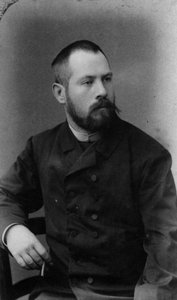
Lovis Corinth
1858 - 1925 , Netherlands
Quick Facts
- Artistic Movement Or Style: Impressionism & Expressionism
- Artists Or Movements Influenced By This Artist: ['Expressionism']
- Artists Who Influenced This Artist:
- Courbet
- Rubens
- Date Of Birth: July 21, 1858
- Date Of Death: July 17, 1925
- Full Name: Franz Heinrich Louis Corinth
- Nationality: German
- Notable Artworks:
- In the Slaughter House
- Self-Portrait
- Female Semi-Nude
- Place Of Birth: Tauwade, Netherlands

