 Preview
 Send
Send Share
Share
 Details

 Download
 Similars
 X-Ray
X-Ray Diaporama
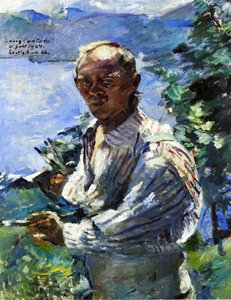
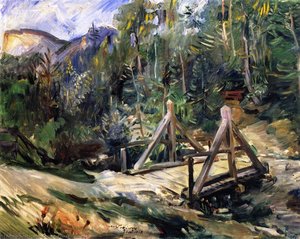
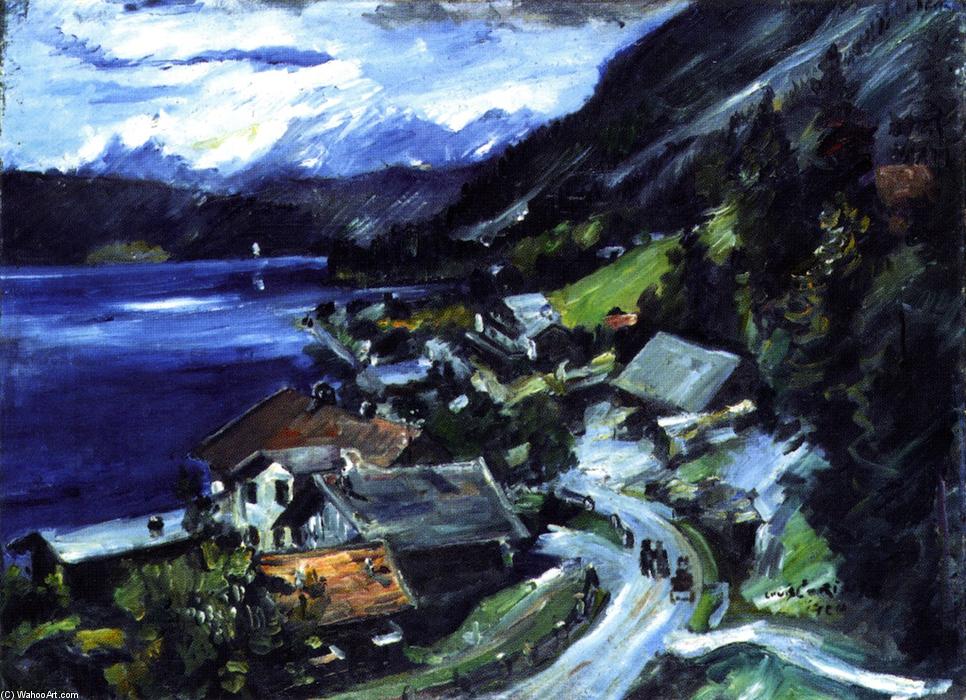
Walchensee, Serpentine
 Oil On Canvas
- WallArt
- Impressionism
 1920
1920- Modern
 80.0 x 110.0 cm
 Staatliche Kunstsammlungen
 Read More
Hand Made Oil Reproduction
Hand-painted oil on canvas in your size and frame, made to order by our artists. ( Buy Print Buy Image)




P118B $10

P118H $10

P118W $10

P438Z $10

P508JH $12

P508YH $12

P805H $10

P805Z $10

P919BZ $10

P919G $10

P919XJ $10

P959ZH $10

P968JZ $12

W106C $8

W218G $10

W218JH $8

W218Y $10

W307PJ $10

W316G $10

W316PJ $8

W316Y $10

W398PJ $8

W4111J $10

W500HY $15

W500JH $15

W692G $12

W849H $8

W940BG $15

W953PJ $8




Pick from our preset sizes that match the artwork's original proportions.

You may enter your own dimensions to fit a specific frame or space. If your selected size does not match the original image's proportions, we will either crop the artwork or extend the painting with additional hand-painted elements. A digital mockup will be sent for your approval before production begins.
Please note that the on-screen preview does not reflect the actual cropping or extension. Only the mockup will accurately show the final composition.
While custom sizes are available, we recommend selecting a dimension from the predefined list to preserve the original proportions.
After order, ArtsDot.com team will email client for instructions and provide a mockup preview
Worldwide Delivery () in 3/4 weeks instead of standard 5 weeks. (16 August). No compromise on quality.

Free Worldwide Express Shipping

High-Quality Linen Canvas

Full Shipping Insurance

Customs Tax Refund Guarantee

True Color Matching Guarantee

60-Day Return Policy (Defects Only)

100% Money-Back Guarantee

Bulk Discount Offer
 Glass option is only available in size under 110 CM

Walchensee, Serpentine
Reproduction Medium
Reproduction Size
-


Total Price
$ 263
Artwork Description
A Serene Encounter with Nature: The Essence of Walchensee
In the quietude of 1920, Lovis Corinth captured a moment of profound stillness in his masterpiece, Walchensee, Serpentine. This evocative oil on canvas invites the viewer to step into a world where the rugged majesty of the German Alps meets the gentle rhythm of lakeside life. The painting presents a breathtaking vista of mountains and rolling hills that cradle a small, peaceful village at their base, creating a sense of sanctuary within the vastness of the landscape. As one gazes upon the scene, the eye is drawn through the serpentine curves of the terrain, discovering a hidden harmony between the enduring strength of the earth and the fleeting presence of humanity.
The composition is masterfully balanced, offering a narrative that feels both expansive and intimate. Scattered throughout the picturesque surroundings are several figures, their small scale emphasizing the grandeur of the natural world. Amidst this tranquil setting, a dog rests near the center-right of the frame, a subtle yet poignant detail that breathes warmth and domestic life into the wild scenery. This inclusion transforms the landscape from a mere topographical study into a living, breathing environment, suggesting a shared existence between man, animal, and the sublime beauty of the Bavarian wilderness.
Mastery of Light and Impressionistic Vitality
Technically, Walchensee, Serpentine serves as a testament to Corinth’s evolution as a bridge between the traditions of Impressionism and the raw energy of Expressionism. Utilizing a rich and vibrant color palette, the artist employs thick, confident brushstrokes that imbue the canvas with a palpable texture. The interplay of light across the mountainside and the reflective surface of the water creates a dynamic atmosphere, where colors seem to vibrate with life. This technique does more than just replicate sight; it captures the very feeling of the mountain air and the shimmering clarity of the lake.
For the discerning collector or interior designer, this work offers an unparalleled emotional depth. The painting does not merely decorate a space; it anchors it with a sense of tranquility and timelessness. The soft transitions between the verdant hills and the shadowed peaks provide a sophisticated visual rhythm that complements both classical and contemporary interiors. To possess a high-quality reproduction of this work is to bring a piece of historical serenity into the modern home, offering a window into a moment of pure, unadulterated natural beauty that continues to resonate over a century after its creation.
Related Artworks
Artist Biography
A Life Forged in Paint: The World of Lovis Corinth
Lovis Corinth, born Franz Heinrich Louis on July 21, 1858, in the Prussian province of East Prussia, was a figure who embodied the tumultuous transition from the 19th to the early 20th-century art world. His journey wasn’t one of immediate acclaim but rather a gradual evolution fueled by relentless study, diverse influences, and ultimately, personal tragedy. Corinth's beginnings were rooted in the rural landscapes of his birthplace, Tapiau, where his father worked as a tanner. This early exposure to the physicality of labor and the raw beauty of nature would subtly permeate his later work, even amidst more sophisticated stylistic explorations. He initially pursued studies at the Academy of Königsberg in 1876, but quickly realized that academic tradition alone wouldn’t satisfy his artistic ambitions. A period of travel followed, taking him to Munich, Antwerp, and finally Paris – each city serving as a crucial stepping stone in his development. In Munich, he absorbed the meticulous realism championed by Ludwig von Löfftz, honing his observational skills and mastering technique. Antwerp introduced him to the dramatic Baroque intensity of Rubens, while Paris exposed him to the burgeoning Impressionist movement, though his initial response was one of cautious observation rather than immediate embrace.From Naturalism to a Synthesis of Styles
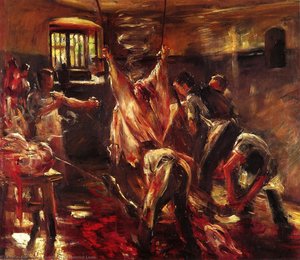
Corinth’s artistic development wasn't marked by swift revolutions but by a gradual assimilation and synthesis of diverse influences. His early work leaned heavily towards naturalism, reflecting the prevailing academic standards of the time. Paintings like “In the Slaughterhouse” (1878), with its unflinching depiction of animal carcasses, demonstrate this commitment to realistic representation, yet even here, a nascent emotional intensity begins to surface. The subject matter itself—gruesome and visceral—hints at a willingness to confront uncomfortable truths, a characteristic that would become increasingly prominent in his later work. His time spent studying the Old Masters, particularly Rubens, instilled in him a love of dynamic composition and expressive brushwork. However, it was his exposure to Impressionism – initially viewed with skepticism – that ultimately proved transformative. He didn’t simply adopt the broken color and fleeting light effects of Monet or Renoir; instead, he integrated these elements into his own unique vision, creating a style that blended impressionistic vibrancy with a distinctly German sensibility. This synthesis would eventually position him as a bridge between Impressionism and Expressionism, two movements that defined the artistic landscape of the early 20th century.A Master of Portraiture and Landscape
While Corinth explored various genres throughout his career – including biblical scenes and mythological subjects – he is perhaps best remembered for his portraits and landscapes. His portraiture wasn’t merely about capturing physical likeness; it was an attempt to penetrate the psychological depths of his sitters, revealing their inner lives through subtle gestures, expressive eyes, and carefully considered compositions. He possessed a remarkable ability to convey character and emotion with astonishing economy of means. Similarly, his landscapes weren't simply depictions of scenic views but rather emotional responses to nature. The Walchensee region in the Bavarian Alps became a particular source of inspiration, providing him with a wealth of motifs that he explored repeatedly throughout his later years. These paintings are characterized by their bold colors, dynamic brushwork, and a sense of raw energy that reflects Corinth’s own passionate engagement with the natural world. He wasn't interested in idyllic representations; instead, he sought to capture the untamed power and inherent drama of the landscape.Tragedy, Resilience, and Lasting Legacy
A pivotal moment in Corinth’s life – and arguably in his artistic development – was a stroke he suffered in December 1911. The paralysis it caused on his left side threatened to end his career altogether. However, with unwavering determination and the support of his wife, Charlotte Berend-Corinth, he relearned to paint, adapting to his physical limitations and developing an even more expressive style. This period marked a turning point in his work, as his paintings became increasingly bold, gestural, and emotionally charged. The experience of confronting mortality and physical vulnerability infused his art with a new sense of urgency and authenticity. He embraced a looser brushstroke and intensified color palette, anticipating many of the stylistic innovations that would define Expressionism. Corinth’s influence extended beyond his own painting; he was also a respected teacher and writer on art, publishing essays such as “On Learning to Paint” in 1908, offering insights into his artistic philosophy and technical approach. He served as president of the Berlin Secession from 1915 until his death in 1925, championing progressive artistic ideas and fostering a vibrant creative community. Lovis Corinth’s legacy lies not only in his remarkable body of work but also in his unwavering commitment to artistic integrity and his ability to transform personal tragedy into profound artistic expression. He remains a pivotal figure in the history of German art, a master who bridged two eras and left an indelible mark on generations of artists to come.Key Works & Their Significance
- In the Slaughterhouse (1878): A starkly realistic depiction of animal carcasses, showcasing Corinth’s early mastery of technique and his willingness to confront unsettling subjects.
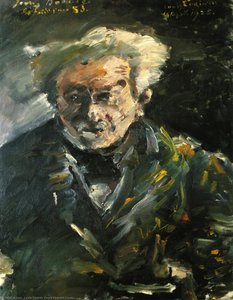
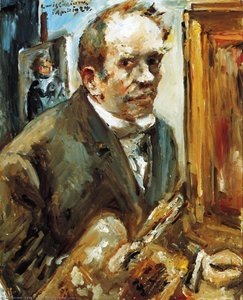
- Self-Portrait (various years): A series of self-portraits created annually on his birthday, offering a fascinating chronicle of the artist's evolving self-perception and artistic style. These works reveal a profound introspection and a fearless exploration of identity.
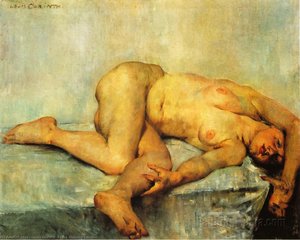
- Female Semi-Nude with Hat (1906): Demonstrates Corinth’s ability to blend classical motifs with impressionistic techniques, creating a sensuous and psychologically compelling portrait.
- Walchensee Series (various years): A collection of landscapes depicting the Walchensee region in Bavaria, characterized by their vibrant colors, dynamic brushwork, and emotional intensity. These paintings represent Corinth’s mature style at its most powerful and expressive.
- The Last Self-Portrait (1924): Painted shortly before his death, this work is a poignant testament to the artist's resilience and unwavering spirit in the face of physical adversity. It embodies the culmination of his artistic journey and serves as a powerful symbol of human endurance.
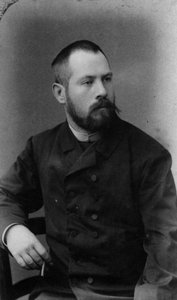
Lovis Corinth
1858 - 1925 , Netherlands
Quick Facts
- Artistic Movement Or Style: Impressionism & Expressionism
- Artists Or Movements Influenced By This Artist: ['Expressionism']
- Artists Who Influenced This Artist:
- Courbet
- Rubens
- Date Of Birth: July 21, 1858
- Date Of Death: July 17, 1925
- Full Name: Franz Heinrich Louis Corinth
- Nationality: German
- Notable Artworks:
- In the Slaughter House
- Self-Portrait
- Female Semi-Nude
- Place Of Birth: Tauwade, Netherlands
Related Articles

Beyond the Horizon: 10 Landscape Masterpieces for Your Home Decor
Journey through 10 breathtaking landscape paintings by Monet, Van Gogh & more! Explore iconic artworks, artistic techniques & find inspiration for your home decor. Museum-quality reproductions at ArtsDot.com. Discover all masterpieces on ArtsDot.com

John Constable's Masterpieces: Explore 25 Iconic Landscapes for Your Home
Journey through John Constable's 25 most celebrated landscapes. Explore Romanticism, Dedham Vale & his masterful use of light in iconic paintings like 'Hay Wain'. Find museum-quality art reproductions and elevate your home decor on ArtsDot.com.

Evocations of Place: A Historical Journey Through Landscape Art
Explore the rich history of landscape art with ArtsDot. Discover renowned artists, movements like Impressionism & Romanticism, and expert guidance for collecting timeless pieces. Find your perfect serene escape today!

Cézanne's Masterpieces: 25 Iconic Artworks to Transform Your Space
Journey through 25 iconic artworks by Paul Cézanne – a master of Impressionism and Post-Impressionism. Explore his landscapes, still lifes, and the stories behind these timeless masterpieces. Discover museum-quality reproductions & curated decor at ArtsDot.com.
Impressionistic Landscapes: 10 Masterpieces That Changed Art & Decor
Journey into the heart of Impressionism! Explore 10 masterpieces by Monet, Renoir & Degas that revolutionized landscape art. Discover their stories, techniques & find museum-quality reproductions to elevate your home decor on ArtsDot.com.