 Preview
 Send
Send Share
Share
 Details

 Download
 Similars
 X-Ray
X-Ray Diaporama
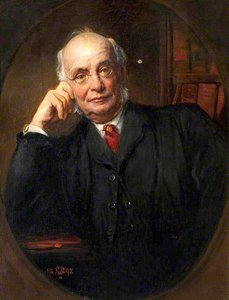
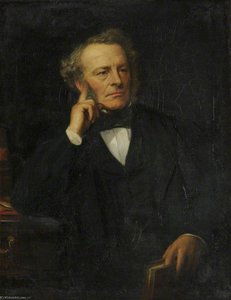
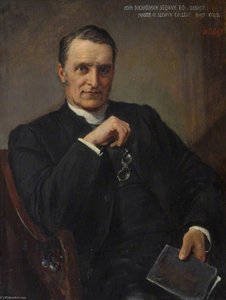
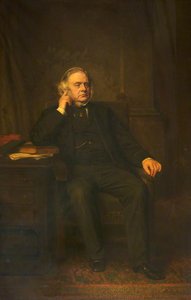
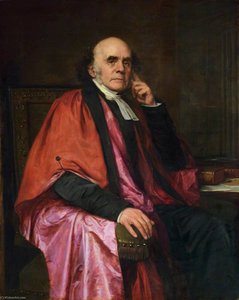
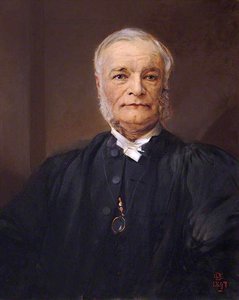
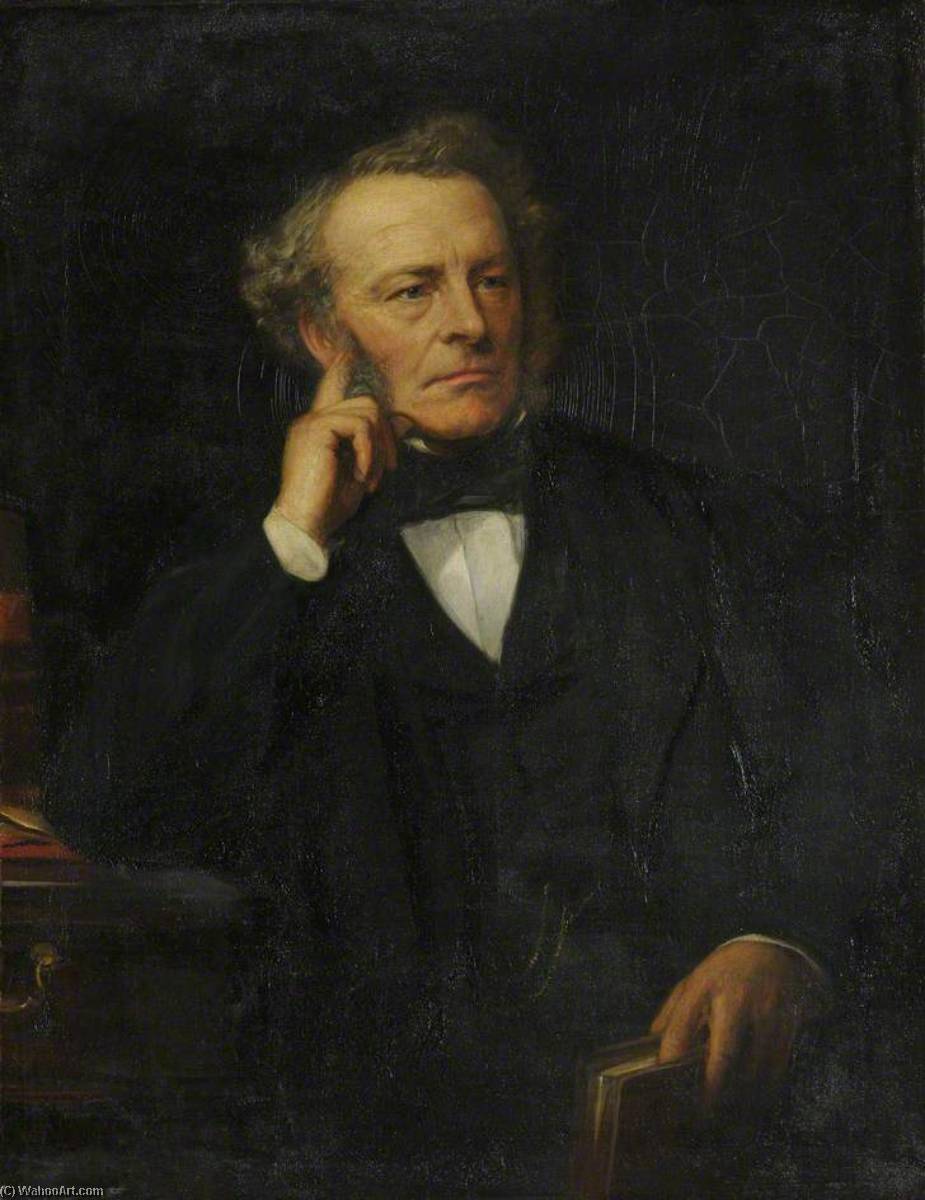
Sir George Gabriel Stokes (1819–1903)
 Oil On Canvas
- WallArt
- Victorian Academic Painting
 1874
1874- 19th Century
 93.0 x 73.0 cm
 Pembroke College
 Read More
Hand Made Oil Reproduction
Hand-painted oil on canvas in your size and frame, made to order by our artists. ( Buy Print Buy Image)




P118B $10

P118H $10

P118W $10

P438Z $10

P508JH $12

P508YH $12

P805H $10

P805Z $10

P919BZ $10

P919G $10

P919XJ $10

P959ZH $10

P968JZ $12

W106C $8

W218G $10

W218JH $8

W218Y $10

W307PJ $10

W316G $10

W316PJ $8

W316Y $10

W398PJ $8

W4111J $10

W500HY $15

W500JH $15

W692G $12

W849H $8

W940BG $15

W953PJ $8




Pick from our preset sizes that match the artwork's original proportions.

You may enter your own dimensions to fit a specific frame or space. If your selected size does not match the original image's proportions, we will either crop the artwork or extend the painting with additional hand-painted elements. A digital mockup will be sent for your approval before production begins.
Please note that the on-screen preview does not reflect the actual cropping or extension. Only the mockup will accurately show the final composition.
While custom sizes are available, we recommend selecting a dimension from the predefined list to preserve the original proportions.
After order, ArtsDot.com team will email client for instructions and provide a mockup preview
Worldwide Delivery () in 3/4 weeks instead of standard 5 weeks. (16 August). No compromise on quality.

Free Worldwide Express Shipping

High-Quality Linen Canvas

Full Shipping Insurance

Customs Tax Refund Guarantee

True Color Matching Guarantee

60-Day Return Policy (Defects Only)

100% Money-Back Guarantee

Bulk Discount Offer
 Glass option is only available in size under 110 CM

Sir George Gabriel Stokes (1819–1903)
Reproduction Medium
Reproduction Size
-


Total Price
$ 263
Artwork Description
Sir George Gabriel Stokes (1819–1903)
Lowes Cato Dickinson’s portrait of Sir George Gabriel Stokes stands as a testament to Victorian artistic sensibilities and the enduring fascination with scientific intellect. Executed in 1874, this oil painting on canvas captures not merely the likeness of a prominent physicist but embodies a broader ethos—a dedication to observation, reasoned inquiry, and the pursuit of knowledge within a rapidly changing intellectual landscape. Dickinson’s masterful technique skillfully renders Stokes's features with meticulous detail, utilizing chiaroscuro – dramatic contrasts between light and shadow – to imbue the figure with gravitas and psychological depth. The artist’s careful brushstrokes convey texture, particularly in the suit jacket and waistcoat, reflecting the materiality of Victorian dress while simultaneously hinting at a deeper exploration of human form.- Composition: Centered around Stokes's seated posture, Dickinson employs a balanced arrangement that prioritizes visual stability. The figure occupies the dominant space within the frame, subtly angled towards the viewer to foster engagement without resorting to direct eye contact—a characteristic gesture reflecting Victorian portraiture’s emphasis on dignified composure.
- Color Palette: Employing a monochromatic palette dominated by shades of gray and black, Dickinson eschews vibrant hues in favor of tonal variations that heighten the painting's emotional impact. This deliberate restraint underscores the seriousness of Stokes’s subject matter and contributes to an overall mood of contemplative solemnity.
- Lighting: Dramatic directional lighting originates from the left side of the frame, casting strong highlights on Stokes’s forehead, nose, and hands—elements strategically positioned to emphasize his facial expression and convey a sense of intellectual focus. The shadows deepen along the right side of his face, adding complexity and nuance to the portrait’s visual narrative.
- Symbolism: The backdrop of a bookshelf laden with books serves as a potent symbol of Stokes's scholarly pursuits—a deliberate allusion to Victorian ideals of erudition and intellectual achievement. Dickinson’s inclusion of this element underscores the importance of knowledge and contemplation within the artist’s worldview.
- Materials Used: Dickinson utilized oil paints on canvas—a standard medium for portraiture during the period—allowing for nuanced tonal gradations and conveying a rich textural surface.
- Size: The painting measures 93 x 73 cm (approximately 36.6 x 28.7 inches), providing ample space to showcase Stokes’s figure in detail while maintaining compositional balance.
- Historical Context: Created during the Victorian era, Dickinson's portrait reflects the prevailing intellectual climate—characterized by a fervent belief in scientific progress and a commitment to rational thought. It aligns with broader artistic trends of the time, notably Academic Impressionism, which sought to reconcile realism with expressive brushwork.
Related Artworks
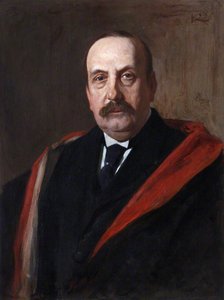
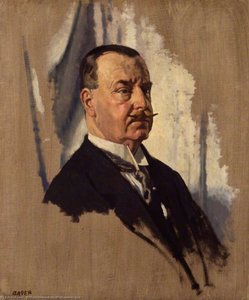
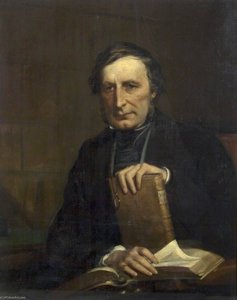
Artist Biography
A Life Etched in Portraits: The World of Lowes Cato Dickinson
Lowes Cato Dickinson, born in Kilburn, London, in 1819, was a figure deeply embedded within the artistic and social currents of Victorian England. Coming from a family intimately connected to the art world—his father, Joseph Dickinson, being a respected lithographer and publisher on Bond Street—Dickinson’s path seemed preordained. Yet, his journey wasn't merely one of inheritance but of active engagement with the evolving aesthetic sensibilities and progressive social movements of his time. One of eleven siblings, he received his early education at Topsham School and Dr Lord's School in Tooting, grounding him in a solid foundation before fully immersing himself within the family business following his father’s death in 1849. He then joined forces with his brothers, Gilbert Bell Dickinson and William Robert Dickinson, to continue the legacy of Dickinson Brothers on Bond Street, a firm that quickly became synonymous with quality art publishing and photography. This early exposure wasn't simply about commerce; it was an apprenticeship in visual culture, shaping his eye for detail and composition—qualities that would define his later work as a portraitist.The Pre-Raphaelite Circle and the Call of Social Reform
Dickinson’s artistic development took a significant turn with a three-year sojourn in Italy around 1850. This period proved formative, exposing him to the masterpieces of the Renaissance and influencing his evolving style. Upon his return to England, he found himself drawn into the orbit of the Pre-Raphaelite Brotherhood. Though not a formal member, Dickinson engaged in correspondence and collaboration with key figures like Dante Gabriel Rossetti and John Ruskin, absorbing their emphasis on truth to nature and emotional intensity. He even lectured alongside them, solidifying his position within this influential artistic milieu. This association wasn’t purely aesthetic; it was intertwined with a burgeoning sense of social responsibility. Dickinson became deeply involved in the Christian socialist movement, a group advocating for social justice through the lens of faith. His commitment manifested most concretely in 1854 with the co-founding of the Working Men's College in London. This institution, dedicated to providing accessible education to working-class individuals, was a testament to his belief in the transformative power of knowledge and a reflection of his desire to bridge social divides. The presence of Ford Madox Brown, who worked for Dickinson Brothers, further underscores his connection to this vibrant artistic and intellectual network.A Portraitist of Victorian Society
Lowes Cato Dickinson carved out a niche as a highly sought-after portrait painter during the Victorian era. His skill lay not in grand historical narratives or dramatic allegories but in capturing the essence of his sitters—the prominent figures who shaped British society. He painted Queen Victoria herself, members of Parliament, leading scientists like Arthur Cayley and James Clerk Maxwell, and fervent Christian socialists such as Charles Kingsley and Thomas Hughes. He developed a remarkable technique, often focusing solely on rendering the faces of his subjects with meticulous detail, leaving the depiction of clothing and accessories to other artists. This collaborative approach allowed him to concentrate on conveying personality and character through nuanced facial expressions and subtle shading. Perhaps one of his most celebrated achievements was the 1868 cabinet portrait of Mr. Gladstone, captured within the iconic Cabinet Room of 10 Downing Street—a work that offers a fascinating glimpse into the inner workings of British politics. He also became renowned for his unique ability to create posthumous portraits, skillfully reconstructing likenesses from photographs or descriptions, ensuring that memory endured beyond physical presence.Legacy and Enduring Influence
The impact of Lowes Cato Dickinson extends far beyond the canvases he filled with faces. His works are prominently displayed in the National Portrait Gallery in London, a testament to his significant contribution to British portraiture. The Working Men's College continues to honor his memory through the annual Lowes Dickinson Award, an art prize recognizing student excellence. Furthermore, his children established a travel award in his name, fostering opportunities for artistic exploration and growth. His papers, meticulously preserved at Princeton, Oxford, and Cambridge Universities, serve as invaluable resources for scholars studying Victorian art, social history, and the intersection of faith and reform. Dickinson’s life embodies a fascinating confluence of artistic talent, social conscience, and intellectual curiosity. He wasn't merely a painter of portraits; he was a chronicler of his time—a visual historian who captured the spirit of an era defined by both progress and profound societal challenges. His legacy endures not only in the images he created but also in the institutions he helped build, continuing to inspire generations with their commitment to education, social justice, and the power of art.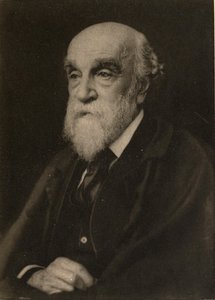
Lowes Cato Dickinson
1819 - 1908 , United Kingdom
Quick Facts
- Artistic Movement Or Style: Pre-Raphaelite, Realism
- Artists Or Movements Influenced By This Artist: ['Christian Socialism']
- Artists Who Influenced This Artist:
- John Ruskin
- Dante Gabriel Rossetti
- Date Of Birth: November 27, 1819
- Date Of Death: 1908
- Full Name: Lowes Cato Dickinson
- Nationality: British
- Notable Artworks:
- Gladstone's Cabinet (1868)
- Goldsworthy Lowes Dickinson
- Place Of Birth: Kilburn, United Kingdom
Related Articles

Georges Braque's Masterpieces: 25 Paintings That Defined Cubism & Modern Art | ArtsDot
Explore 25 iconic Georges Braque paintings that revolutionized Cubism & modern art. Discover the stories behind his masterpieces, from Fauvism to Analytical Cubism. Find museum-quality reproductions & elevate your home decor with ArtsDot.com.
Sir Joshua Reynolds' Masterpieces: 25 Portraits of Power & Refinement | ArtsDot
Explore 25 captivating portraits by Sir Joshua Reynolds, a master of British art. Discover stories behind his iconic paintings, elegant style & historical influence. Find museum-quality reproductions and elevate your home decor on ArtsDot.com.

Georges Seurat's Masterpieces: 25 Paintings That Defined Pointillism | ArtsDot
Explore 25 iconic Georges Seurat paintings & discover the brilliance of Pointillism. From 'La Grande Jatte' to his harbor scenes, delve into art history with ArtsDot.com. Find museum-quality reproductions for your home decor. Explore the full collection online!
Sir Alfred Munnings' Masterpieces: 25 Paintings That Define Equine Art | ArtsDot
Explore 25 iconic Sir Alfred Munnings paintings! Discover the beauty of British Impressionism, equine art & rural England. Find museum-quality reproductions and elevate your home decor with ArtsDot. Explore the full collection online.

The Enduring Legacy of Oil on Canvas: Technique, History & Aesthetic Impact
Explore the rich history & techniques of oil painting – from Renaissance masters to Impressionism. Discover pigments, layering methods, and why this timeless medium endures. Expert insights for artists & art enthusiasts.