 Preview
 Send
Send Share
Share
 Details

 Download
 Similars
 X-Ray
X-Ray Diaporama
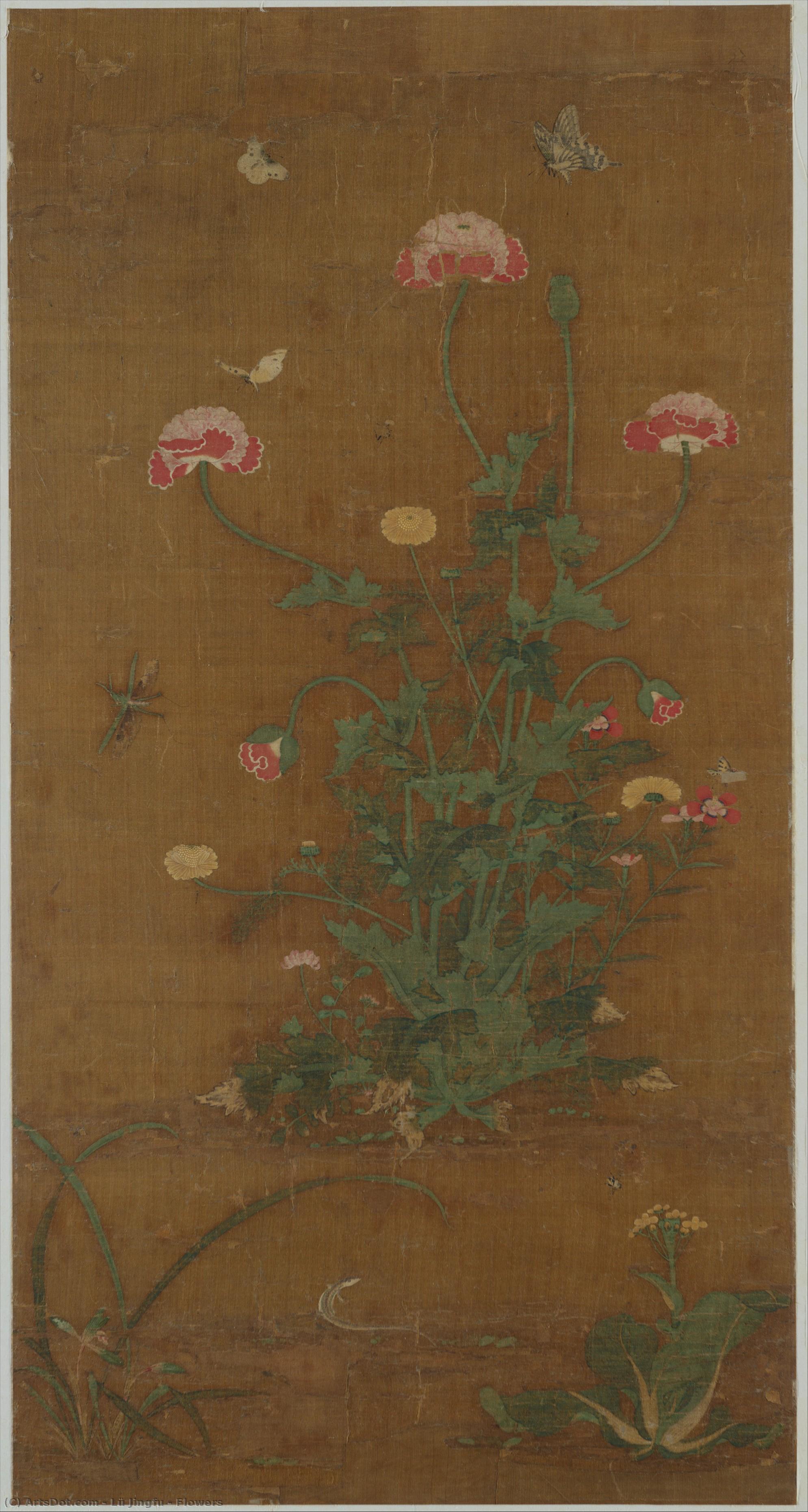
Flowers
 301
301 102.0cm x 53.0cm
 Read More
Giclée / Art Print
Museum-quality giclée or canvas print with fast production and flexible finish options. ( Buy Hand Made Painting Buy Image)




































Pick from our preset sizes that match the artwork's original proportions.

You may enter your own dimensions to fit a specific frame or space. If your selected size does not match the original image's proportions, we will either crop the artwork or extend the image with a mirrored or solid-fill edge. A digital mockup will be sent for your approval before production begins.
Please note that the on-screen preview does not reflect the actual cropping or extension. Only the mockup will accurately show the final composition.
While custom sizes are available, we recommend selecting a dimension from the predefined list to preserve the original proportions.
Worldwide Delivery () in 2 weeks instead of standard 4/5 weeks. (27 August)

Free Worldwide Express Shipping

High-Quality Linen Canvas

Full Shipping Insurance

Customs Tax Refund Guarantee

True Color Matching Guarantee

60-Day Return Policy (Defects Only)

100% Money-Back Guarantee

Bulk Discount Offer
 Glass option is only available in size under 110 CM

Flowers
Giclée / Art Print
Reproduction Size
-


Total Price
$ 63
Collectible Description
Artist: Lü Jingfu
Lü Jingfu, also known as Lu Jincfu or Lu Ching-Fu, was a Chinese painter from the 14th century. He is believed to have been born in Wuj (Jiangsu) and is renowned for his works depicting grasses and insects in the style of the Piling school of flower painting.Title: Flowers
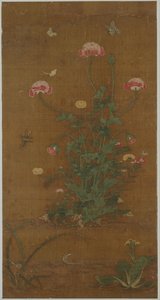
The title of this painting is simply 'Flowers', a fitting name given its subject matter. The work features a late-spring bouquet of poppies, asters, Chinese pinks, and chrysanthemums, as well as butterflies, a praying mantis, a salamander, an orchid, and a cabbage.Size: 101.6cm x 53.0cm
The painting measures 101.6 centimeters in height and 53.0 centimeters in width, making it a relatively large work for its time.Media: Silk
'Flowers' is painted on silk, a common medium for Chinese paintings during the Yuan dynasty (1271-1368). The use of silk allowed artists to create intricate and detailed works that showcased their skill and craftsmanship.Date: Late Fourteenth Century
The painting is believed to have been created during the late fourteenth century, a time when Chinese art was heavily influenced by Persian and Mongol styles. This can be seen in the intricate details and precise brushwork of 'Flowers'.Historical Context: The Ilkhanid Art Movement
The Ilkhanid art movement, which emerged during the 13th and 14th centuries, was characterized by a unique blend of Persian, Chinese, and Mongol influences. This movement had a significant impact on Chinese art, including the work of Lü Jingfu. The intricate details and precise brushwork seen in 'Flowers' are indicative of this influence.Conclusion
The painting 'Flowers' by Lü Jingfu is a masterful work that showcases the artist's skill and craftsmanship. Its size, media, and subject matter all contribute to its beauty and significance in Chinese art history. Furthermore, its historical context within the Ilkhanid art movement highlights the impact of Persian and Mongol influences on Chinese art during the late fourteenth century. For more information on Lü Jingfu and his works, visit ArtsDot.com. To learn more about the Ilkhanid art movement, see The Ilkhanid Art Movement on ArtsDot.com.Related Artworks








Artist Biography
Lu Jincfu: Weaver of Delicate Worlds – A Master of Wuxing Floral Painting
The name Lu Jincfu (also known as Liu King-fou or Lu Ching-fu) echoes through the halls of 14th-century Chinese art, not for grand battles or imperial commissions, but for a quiet mastery of observation and exquisite detail. Born in Wujiang, Jiangsu province, during a period of significant cultural exchange – specifically, the waning years of the Yuan dynasty – Lu Jincfu emerged as a leading figure in the burgeoning “Wuxing” (Five Elements) school of flower painting. His legacy isn’t one of dramatic landscapes or heroic figures, but rather a profound and intimate connection with the natural world, meticulously rendered on silk through delicate brushstrokes and an unparalleled sensitivity to texture and color.
Lu Jincfu's artistic journey unfolded within a rich tapestry of influences. The Wuxing school itself was rooted in the Song dynasty’s literati tradition – a movement that valued personal experience and refined taste over formal courtly art. This emphasis on individual interpretation is immediately apparent in Lu Jincfu’s work. He wasn’t simply depicting flowers; he was capturing their essence, their fleeting beauty, and their inherent connection to the broader cosmos. The Five Elements—Wood, Fire, Earth, Metal, and Water—provided a philosophical framework for understanding nature, and Lu Jincfu skillfully integrated this symbolism into his compositions. The choice of subject matter – grasses, insects, and small flowers – reflected a deliberate preference for the subtle details often overlooked by more ambitious painters.
A Symphony of Small Details: Technique and Style
Lu Jincfu’s technique is characterized by an astonishing level of precision and restraint. He employed a meticulous layering of thin washes of ink, building up textures with incredibly fine brushstrokes. This approach allowed him to capture the delicate veins of leaves, the iridescent sheen of butterfly wings, and the subtle variations in color within each petal. His use of *hua jing* (flower-and-ink), a technique involving the careful manipulation of ink washes to create textural effects, is particularly noteworthy. It’s as if he were translating the very structure of the flower onto the silk canvas.
The artist's compositions are typically small and intimate, often executed on handscrolls or hanging scrolls. This format encouraged a contemplative viewing experience, inviting the viewer to slow down and appreciate the intricate details of each element. Lu Jincfu’s color palette is restrained yet remarkably nuanced – primarily consisting of black ink, supplemented with subtle washes of green, ochre, and occasionally, delicate touches of red or pink. He avoided bold contrasts, favoring instead a harmonious blend of tones that evoked the quiet beauty of the natural world.
The Influence of Ilkhanid Art
Lu Jincfu’s artistic development was profoundly shaped by the cultural currents flowing through China during the 14th century. The Mongol Ilkhanate, which had recently established its dominance in Persia and exerted considerable influence over northern China, brought with it a vibrant exchange of artistic ideas. Persian miniature painting, with its intricate details, rich colors, and emphasis on courtly life, exerted a significant impact on Chinese artists. Lu Jincfu’s work demonstrates this influence through the incorporation of elements such as elaborate floral arrangements, detailed depictions of insects, and a refined sense of composition.
However, Lu Jincfu didn't simply imitate Persian styles; he adapted them to his own artistic sensibilities, creating a uniquely Chinese interpretation. The resulting works are characterized by a delicate balance between Eastern and Western influences – a testament to the dynamism of cultural exchange during this period. The meticulous attention to detail, the emphasis on naturalism, and the integration of symbolic meaning all reflect Lu Jincfu’s mastery of his craft.
Legacy and Enduring Beauty
Despite the passage of centuries, Lu Jincfu's work continues to captivate viewers with its quiet beauty and profound sense of observation. His paintings offer a glimpse into a world of delicate details, subtle colors, and intimate connections with nature – a world that resonates deeply with contemporary audiences. While few examples of his art survive intact, the surviving pieces—particularly his celebrated depictions of grasses and insects—stand as enduring testaments to his skill and artistic vision. Lu Jincfu’s legacy lies not in grand pronouncements or dramatic displays, but in the quiet elegance of his brushstrokes and the profound beauty he captured on silk.
A notable example of his work is “Flowers,” a vibrant handscroll showcasing an array of blossoms alongside insects like butterflies and praying mantises. This piece exemplifies his mastery of the Wuxing style, blending meticulous detail with symbolic meaning to create a captivating visual experience. Further research into works such as this provides invaluable insight into the life and artistic achievements of Lu Jincfu, solidifying his place as a pivotal figure in Chinese art history.
Quick Facts
- Artistic Movement Or Style: Piling school flower painting
- Artists Or Movements Influenced By This Artist: ['Persian and Mongol styles']
- Artists Who Influenced This Artist: ['Ilkhanid art movement']
- Date Of Birth: Wujiang, China (14th century)
- Full Name: Lu Jincfu or Liu King-fou or Lu Ching-fu
- Nationality: Chinese
- Notable Artworks: ['Flowers']
- Place Of Birth: Wujiang, China