

 Send
Send Share
Share
 Details

 Download
 Similars
 Diaporama
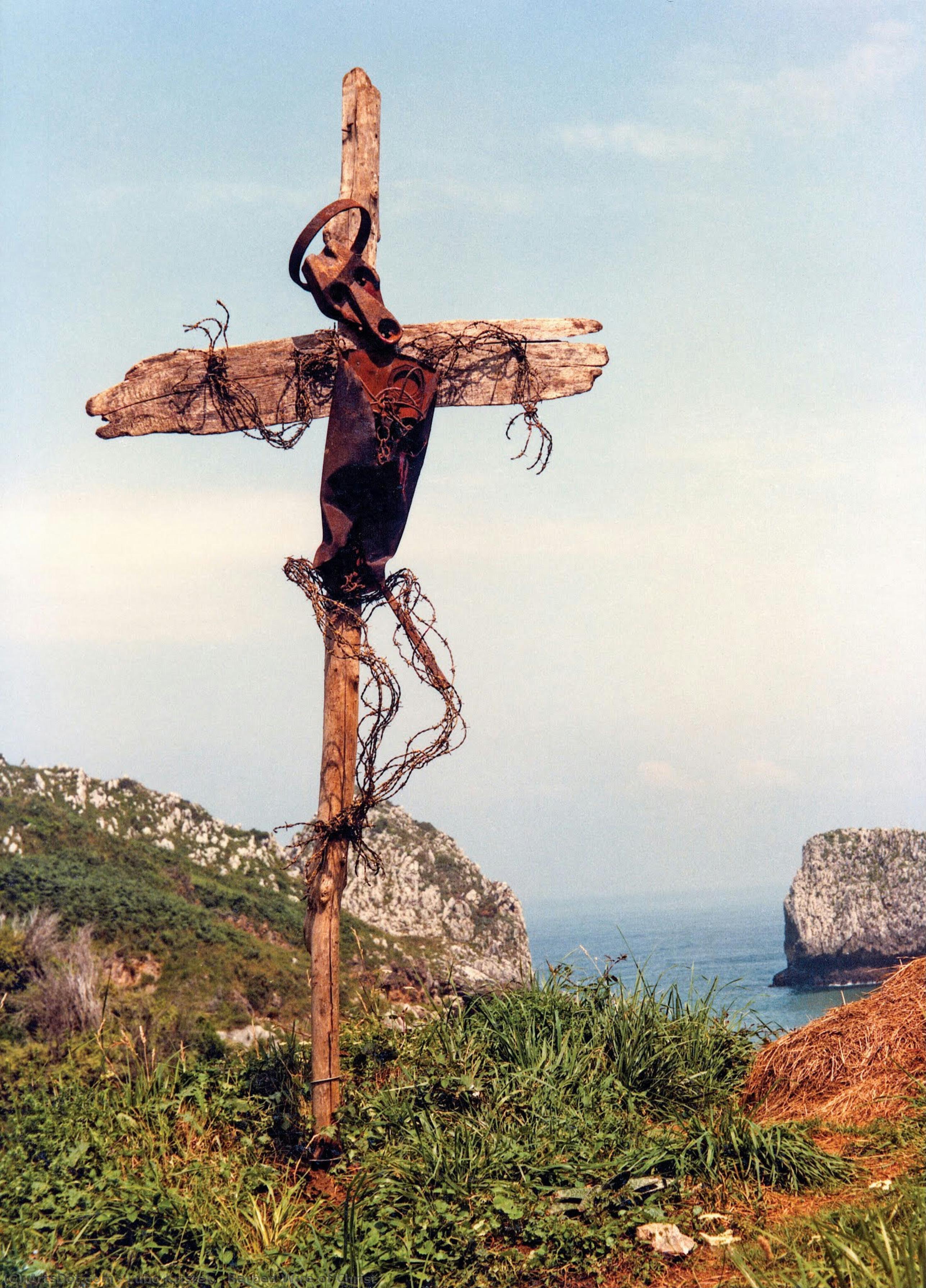
Barbed Wire of Christ


 Read More
Purchase a high-resolution, enhanced digital image, far superior to the online preview.
Each file is meticulously prepared by our in-house specialists using advanced tools and expert manual retouching. We ensure every image has exceptional clarity, precise color accuracy, and fine detail.
The final file is delivered via email within 72 hours, optimized for immediate use in professional, editorial, and print environments. This is the same quality trusted by top-tier design studios, publishers, and galleries.
Digital Image
Download a high-resolution file for personal display, printing, and creative projects. ( Buy Print Buy Hand Made Painting)
Included in Every Digital Image Order
Expert Digital Delivery, Guaranteed
When you choose ArtsDot.com, you're not just getting an image - you're receiving a professionally enhanced digital artwork, crafted with precision and backed by a satisfaction guarantee. Here's everything that comes with your order, automatically:

Fast Email Delivery
Your high-resolution digital image file will be emailed to you within 72 hours of ordering - ready for immediate use.

AI-Enhanced Digital File
Your artwork is professionally optimized using advanced AI tools and manual editing, ensuring maximum detail, clarity, and color accuracy.

Free Lifetime Re-Delivery
Accidentally deleted or lost your file? No worries - we'll resend it to you anytime, free of charge.

No Import Fees - Ever
Enjoy your artwork instantly with zero customs, duties, or delivery fees - digital downloads are always tax-free.

Color Accuracy Guarantee
We ensure your digital image reflects the original colors as closely as possible using professional tools and color management.

60-Day Satisfaction Guarantee
If you're not satisfied with your digital image, we'll revise it or refund 100% within 60 days - no questions asked.

100% Money-Back Guarantee
Not satisfied? Get a full refund within 60 days of receiving your digital file - no questions asked.

Bulk Order Discounts
Buy 3 images, save 10% - Buy 5, save 15% - Buy 10+, save 20%. Great for creative projects, galleries, and agencies.
Collectible Description
Barbed Wire of Christ – A Sculptural Meditation on Suffering and Resilience
Lubo Kristek’s *Barbed Wire of Christ* (1983) transcends mere representation; it's an immersive experience crafted from repurposed materials—primarily wood and barbed wire—that speaks to the artist’s profound engagement with themes of vulnerability, ethical contemplation, and the relationship between humanity and nature. Situated in San Vicente de la Barquera, Cantabria, Spain, this monumental assemblage embodies Kristek’s distinctive approach to artmaking – a rejection of traditional mediums in favor of confronting uncomfortable truths about our world through unconventional forms.Conceptual Roots: Kristek's Holographic Perception
Kristek’s artistic philosophy centers around what he termed “holographic perception,” an idea developed during his explorations into Eastern European thought and influenced by philosophers like Heidegger and Sartre. He believed that encountering unfamiliar landscapes and cultures could liberate the mind from ingrained assumptions, fostering a heightened awareness of the present moment and prompting existential reflection. This intellectual framework directly informs *Barbed Wire of Christ*, urging viewers to consider not just what they see but how it resonates with their own understanding of human experience. Kristek himself described this process as “wandering through an alien landscape,” where one abandons familiar perspectives to discover new dimensions of consciousness.Materiality and Technique: Assemblage as Resistance
The sculpture’s construction is deliberately stark, utilizing readily available materials – weathered wood and twisted barbed wire – to create a powerful visual statement. Kristek meticulously assembled these elements, prioritizing texture and form over polished surfaces. The rough-hewn wood contrasts sharply with the aggressive coils of barbed wire, symbolizing both the fragility of human existence and the inescapable presence of hardship. This technique isn’t merely about constructing an image; it's about embodying a conceptual resistance against the prevailing rationalization and dehumanization of contemporary society – mirroring the artist’s own desire to reconnect with primal instincts and confront fundamental questions about morality and spirituality.Symbolism: The Crucifixion Revisited
The depiction of Jesus Christ on the cross is undeniably evocative, yet Kristek’s reimagining avoids sentimental piety. Instead, the barbed wire serves as a jarring juxtaposition against the sacred image, representing not only physical pain but also societal constraints and anxieties. It speaks to the artist's preoccupation with ethical dilemmas—the responsibility we bear for our actions and their impact on the environment—and underscores the enduring relevance of religious iconography within a secular context. The birds perched atop the cross further amplify this tension, symbolizing hope amidst despair and suggesting that even in moments of profound suffering, beauty and transcendence persist.A Legacy of Land Art
*Barbed Wire of Christ* firmly establishes Kristek as a pivotal figure in Land Art—a movement characterized by its commitment to confronting ecological concerns and challenging conventional artistic conventions. Like other artists of his generation who sought inspiration from the natural world, Kristek utilized found objects to express complex ideas about humanity’s place within the larger ecosystem. This sculpture remains a testament to Kristek's unwavering belief in art as a catalyst for intellectual and emotional engagement—a poignant reminder that confronting uncomfortable truths can yield profound insights into our own condition.Related Artworks
Artist Biography
A Pioneer of Immersive Experience: The Life and Art of Lubo Kristek
Born in Brno, Czech Republic, in 1943, Lubo Kristek emerged as a significant voice in the post-war European art scene, defying easy categorization. His artistic journey began during the turbulent 1960s, a period ripe with experimentation and a questioning of established norms. From the outset, Kristek demonstrated a restless spirit, refusing to be confined by traditional mediums or approaches. He wasn’t simply interested in creating objects; he sought to orchestrate experiences, blurring the boundaries between art, life, and audience participation. This early inclination towards challenging conventions would become a defining characteristic of his prolific career. The political climate of Czechoslovakia at the time undoubtedly fueled this desire for artistic freedom, pushing him toward explorations that were both conceptually daring and subtly subversive.From Assemblage to ‘Holographic Perception’
Kristek's work is fundamentally rooted in assemblage – a technique of creating three-dimensional artworks from disparate found objects. However, he quickly transcended the purely formal aspects of this practice, imbuing his assemblages with layers of meaning and social commentary. His sculptures weren’t merely collections of materials; they were critical examinations of human vulnerability, medical ethics, and our complex relationship with the natural world. A pivotal moment in Kristek's artistic development came with his relocation to West Germany in 1968, following the Prague Spring. This move exposed him to new ideas and influences, solidifying his commitment to conceptual art, surrealism, and performance art. It was during this period that he began formulating his groundbreaking theory of “holographic perception.” Kristek believed that true artistic impact wasn’t achieved through a single, linear experience but rather through the simultaneous stimulation of multiple senses and emotions. He envisioned artworks as multifaceted environments designed to create a holistic, immersive experience for the viewer – akin to how a hologram contains all perspectives within its structure.Happenings, Nocturnal Vernissages, and Public Interventions
The practical application of Kristek’s “holographic perception” theory manifested most powerfully in his *happenings* and *nocturnal vernissages*. These weren't conventional art openings; they were carefully orchestrated events designed to disrupt expectations and engage the audience on a visceral level. Often taking place at night, these gatherings blurred the lines between artist, artwork, and spectator. Kristek’s interventions extended beyond gallery walls, frequently spilling into public spaces. Works like *Kristek House* in Brno – a building transformed into a surreal architectural assemblage – demonstrate his commitment to making art accessible and challenging established notions of urban landscape. Another striking example is *Promenade with a Neurotic Fox*, a performance piece that confronted societal taboos surrounding death and mortality, inviting viewers to grapple with uncomfortable truths. His work *Requiem for Mobile Telephones* served as a poignant critique of our increasing dependence on technology, prompting reflection on the human cost of constant connectivity.Legacy and Lasting Influence
Lubo Kristek’s contributions to contemporary art are profound and far-reaching. He didn't simply create artworks; he pioneered a new way of thinking about artistic experience. His emphasis on immersion, participation, and the integration of multiple media has influenced generations of artists working in performance art, installation art, and conceptual sculpture. While his work often tackles complex social and ethical issues, it never feels didactic or preachy. Instead, Kristek invites viewers to engage with these themes on their own terms, fostering critical thinking and emotional resonance. His legacy is preserved not only through the numerous museums and collections that house his works – including the Museum Kunstsalon Franke Schenk in Germany and the Cathedral Prague in the Czech Republic – but also through the continued exploration of his ideas by artists and scholars around the world. Discovering Kristek’s work, whether through reproductions or experiencing it firsthand, is an invitation to step outside conventional boundaries and embrace a more holistic, immersive understanding of art's power. His vision continues to inspire those who seek to create experiences that truly resonate with the human spirit.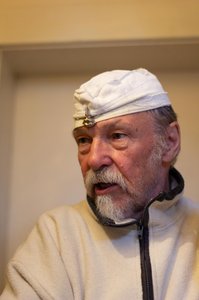
Lubo Kristek
1943 - , Czech Republic
Quick Facts
- Artistic Movement Or Style:
- Conceptual art
- Surrealism
- Performance art
- Date Of Birth: May 8, 1943
- Full Name: Lubo Kristek
- Nationality: Czech
- Notable Artworks:
- Kristek House
- Temptation of St Anthony
- In the Prematurely Cloned Age…
- Place Of Birth: Brno, Czech Republic

