

 Preview
 Send
Send Share
Share
 Details

 Download
 Similars
 X-Ray
X-Ray Diaporama
 Stats
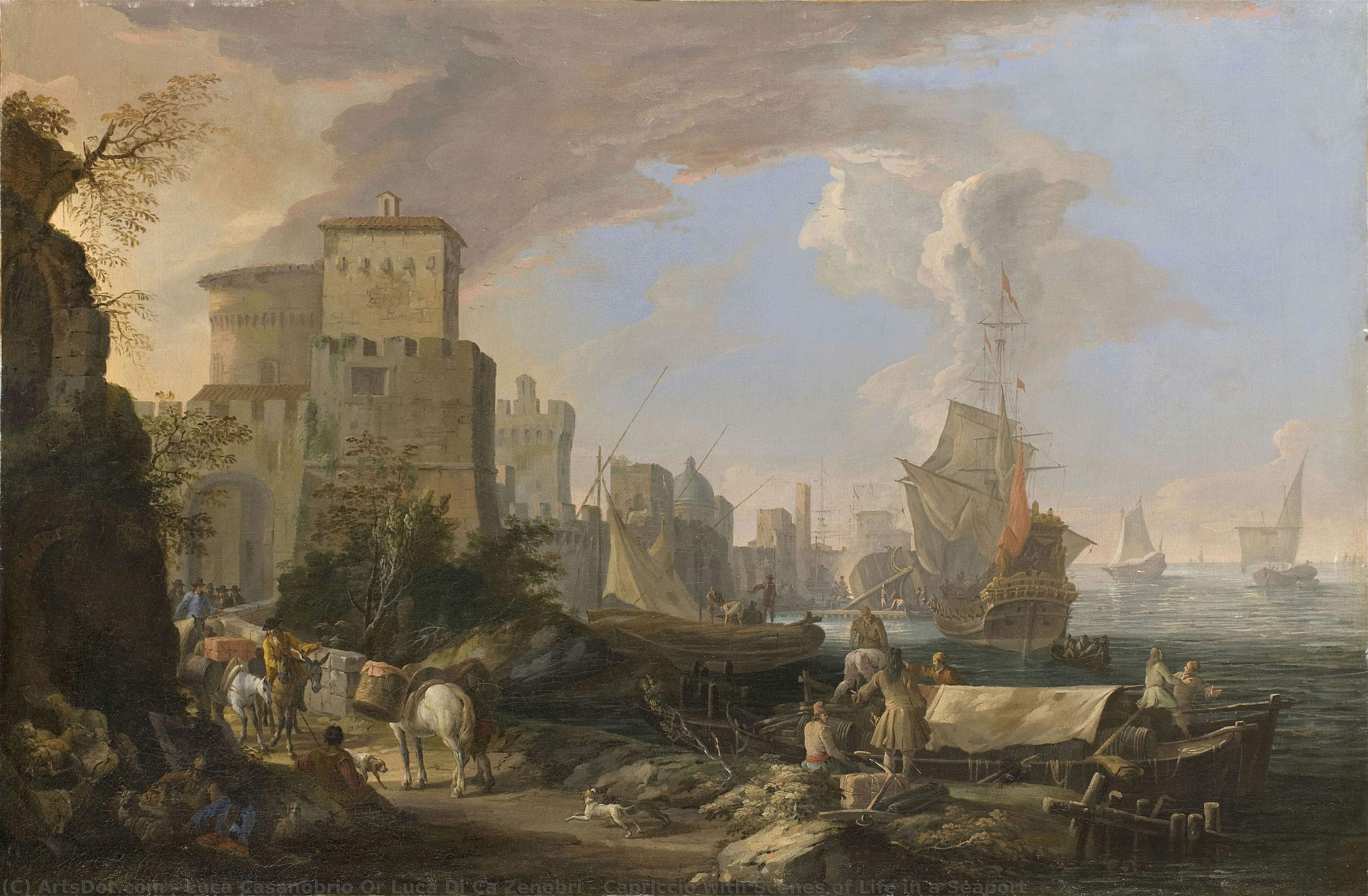
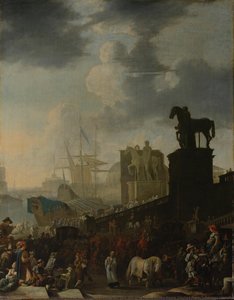
StatsCapriccio with Scenes of Life in a Seaport
 Oil
Oil- WallArt
- Baroque
 Early Modern
 131.0 x 87.0 cm
 Fondazione Cariplo
 Read More
Purchase a high-resolution, enhanced digital image, far superior to the online preview.
Each file is meticulously prepared by our in-house specialists using advanced tools and expert manual retouching. We ensure every image has exceptional clarity, precise color accuracy, and fine detail.
The final file is delivered via email within 72 hours, optimized for immediate use in professional, editorial, and print environments. This is the same quality trusted by top-tier design studios, publishers, and galleries.
Digital Image
Download a high-resolution file for personal display, printing, and creative projects. ( Switch to Print Buy Hand Made Painting)
Included in Every Digital Image Order
Expert Digital Delivery, Guaranteed
When you choose ArtsDot.com, you're not just getting an image - you're receiving a professionally enhanced digital artwork, crafted with precision and backed by a satisfaction guarantee. Here's everything that comes with your order, automatically:

Fast Email Delivery
Your high-resolution digital image file will be emailed to you within 72 hours of ordering - ready for immediate use.

AI-Enhanced Digital File
Your artwork is professionally optimized using advanced AI tools and manual editing, ensuring maximum detail, clarity, and color accuracy.

Free Lifetime Re-Delivery
Accidentally deleted or lost your file? No worries - we'll resend it to you anytime, free of charge.

No Import Fees - Ever
Enjoy your artwork instantly with zero customs, duties, or delivery fees - digital downloads are always tax-free.

Color Accuracy Guarantee
We ensure your digital image reflects the original colors as closely as possible using professional tools and color management.

100-Day Satisfaction Guarantee
If you're not satisfied with your digital image, we'll revise it or refund 100% within 100 days - no questions asked.

100% Money-Back Guarantee
Not satisfied? Get a full refund within 100 days of receiving your digital file - no questions asked.

Bulk Order Discounts
Buy 3 images, save 10% - Buy 5, save 15% - Buy 10+, save 20%. Great for creative projects, galleries, and agencies.
Related Artworks
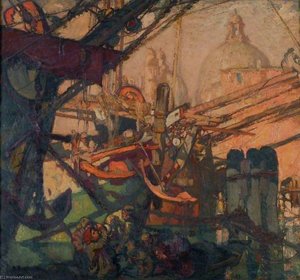
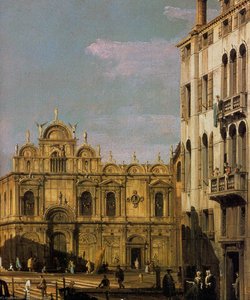
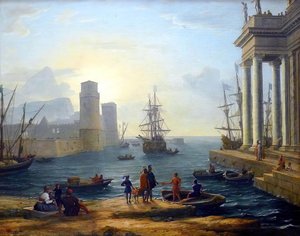
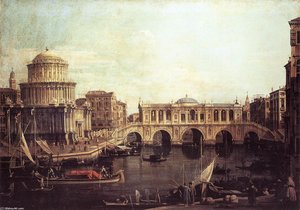
Artist Biography
Luca Casanobrio or Luca di Ca Zenobri: The Pioneer of Venetian Cityscapes
Luca Casanobrio, more commonly known as Luca Carlevarijs or Carlevaris, stands as a pivotal figure in the history of art, particularly renowned for his groundbreaking contributions to the genre of *vedute* – cityscapes – of Venice. Born in Udine, Italy, on January 20, 1663, and passing away in Venice itself in 1730, Carlevaris’s artistic journey was one of meticulous observation, mathematical precision, and a profound appreciation for the unique beauty of his adopted city. His work wasn't merely a depiction of buildings; it was an attempt to capture the very essence of Venetian life, its light, its atmosphere, and its intricate urban fabric – a legacy that profoundly influenced generations of artists, most notably Canaletto and Francesco Guardi.Early Life and Artistic Foundations
Carlevaris’s early career unfolded within the vibrant artistic milieu of Venice, a city steeped in tradition yet constantly evolving. He began his training immersed in the established Venetian school of painting, absorbing its characteristic emphasis on rich color palettes, dramatic lighting, and a focus on everyday life. However, Carlevaris quickly distinguished himself through an increasingly acute interest in perspective and architectural detail. This fascination stemmed partly from his own mathematical inclinations – a trait that would become central to his artistic approach. He wasn’t simply painting what he saw; he was meticulously reconstructing it within the framework of accurate representation. His early works demonstrate this burgeoning skill, hinting at the groundbreaking *vedute* that were yet to come.The Development of the Veduta Style
Carlevaris's true artistic breakthrough occurred with his pioneering exploration of the *veduta*, a genre that had roots in earlier Italian landscape painting but was being refined and elevated by him. Unlike previous depictions, Carlevaris’s cityscapes weren’t romanticized or idealized; they were rigorously observed and rendered with an almost photographic precision. He employed techniques borrowed from Dutch perspective painters like Caspar van Wittel, who had established a tradition of meticulously detailed urban views in Rome. This influence is evident in the careful use of linear perspective, the precise rendering of architectural elements, and the inclusion of small details that brought the scenes to life – bustling markets, individual figures going about their daily routines, and the subtle play of light on water and stone. His series of etched views published in 1703 became a seminal work, establishing a new standard for urban landscape painting.Notable Works and Artistic Achievements
Among Carlevaris’s most celebrated works is “Capriccio with Scenes of Life in a Seaport,” a captivating composition that masterfully balances architectural grandeur with the dynamism of maritime activity. This piece, available to explore on ArtsDot.com, exemplifies his ability to create a sense of depth and atmosphere through careful use of light, color, and perspective. Other significant works include “The Bucintoro Returning to the Molo on Ascension Day,” offering a vibrant depiction of Venetian life during a religious festival, and numerous views of key landmarks such as the Rialto Bridge and the Doge’s Palace. His meticulous documentation of Venice's architecture and urban landscape has ensured his place in art history. His work is also featured in prestigious institutions like the Fondazione Cariplo in Milan and the National Gallery of Art in Washington, D.C., testament to its enduring value and artistic merit.Legacy and Influence
Luca Carlevaris’s impact on Venetian art and beyond cannot be overstated. He didn't simply create beautiful cityscapes; he fundamentally altered the way Venice was perceived and represented in art. His rigorous approach to perspective and his commitment to accurate observation paved the way for artists like Canaletto, who built upon his foundation to produce some of the most iconic images of Venice. Francesco Guardi, too, drew inspiration from Carlevaris’s work, adopting a similar style characterized by atmospheric effects and a focus on capturing the mood of the city. Carlevaris's legacy extends far beyond Venice; he is recognized as a key figure in the development of landscape painting across Europe, demonstrating that even seemingly mundane subjects – the streets and buildings of a bustling city – could be rendered with extraordinary beauty and artistic significance. His work continues to inspire artists today, reminding us of the power of observation and the enduring appeal of capturing the essence of a place.
luca casanobrio or luca di ca zenobri
1663 - 1730 , Italy
Quick Facts
- Artistic Movement Or Style: Venetian cityscape (Vedute)
- Artists Or Movements Influenced By This Artist:
- Canaletto
- Francesco Guardi
- Artists Who Influenced This Artist: ['Caspar van Wittel']
- Date Of Birth: January 20, 1663
- Date Of Death: 1730
- Full Name: Luca Casanobrio or Luca di Ca Zenobri
- Nationality: Italian
- Notable Artworks:
- Capriccio with Life in a Seaport
- The Bucintoro Returning...
- Place Of Birth: Udine, Italy