

 Preview
 Send
Send Share
Share
 Details

 Download
 Similars
 X-Ray
X-Ray Diaporama
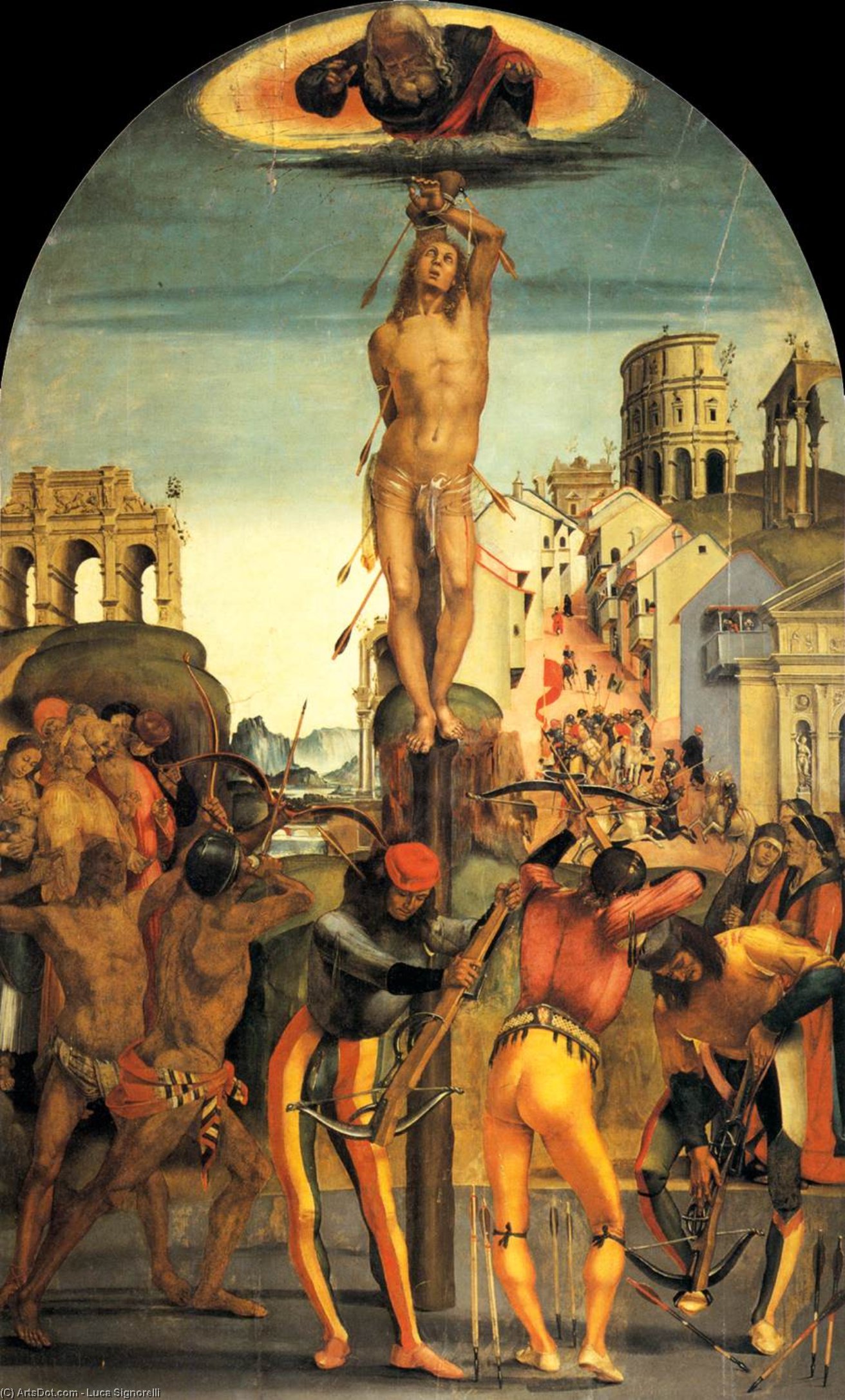
The Martyrdom of St. Sebastian
 Oil On Panel
- High Renaissance
 1498
1498- Renaissance
 288.0 x 175.0 cm
 Read More
Purchase a high-resolution, enhanced digital image, far superior to the online preview.
Each file is meticulously prepared by our in-house specialists using advanced tools and expert manual retouching. We ensure every image has exceptional clarity, precise color accuracy, and fine detail.
The final file is delivered via email within 72 hours, optimized for immediate use in professional, editorial, and print environments. This is the same quality trusted by top-tier design studios, publishers, and galleries.
Digital Image
Download a high-resolution file for personal display, printing, and creative projects. ( Buy Print Buy Hand Made Painting)
Included in Every Digital Image Order
Expert Digital Delivery, Guaranteed
When you choose ArtsDot.com, you're not just getting an image - you're receiving a professionally enhanced digital artwork, crafted with precision and backed by a satisfaction guarantee. Here's everything that comes with your order, automatically:

Fast Email Delivery
Your high-resolution digital image file will be emailed to you within 72 hours of ordering - ready for immediate use.

AI-Enhanced Digital File
Your artwork is professionally optimized using advanced AI tools and manual editing, ensuring maximum detail, clarity, and color accuracy.

Free Lifetime Re-Delivery
Accidentally deleted or lost your file? No worries - we'll resend it to you anytime, free of charge.

No Import Fees - Ever
Enjoy your artwork instantly with zero customs, duties, or delivery fees - digital downloads are always tax-free.

Color Accuracy Guarantee
We ensure your digital image reflects the original colors as closely as possible using professional tools and color management.

60-Day Satisfaction Guarantee
If you're not satisfied with your digital image, we'll revise it or refund 100% within 60 days - no questions asked.

100% Money-Back Guarantee
Not satisfied? Get a full refund within 60 days of receiving your digital file - no questions asked.

Bulk Order Discounts
Buy 3 images, save 10% - Buy 5, save 15% - Buy 10+, save 20%. Great for creative projects, galleries, and agencies.
Collectible Description
A Vision of Devotion: The Martyrdom of St. Sebastian
In the quiet halls of the Pinacoteca Comunale in Città di Castello, there exists a window into the profound spiritual intensity of the High Renaissance. Luca Signorelli’s The Martyrdom of St. Sebastian is not merely a depiction of a historical or religious event; it is a visceral experience of human suffering and divine endurance. Created in 1498, this masterpiece captures the moment the saint faces his tormentors, presenting a scene that is as much about the strength of the human spirit as it is about the brutality of martyrdom. The composition is a masterclass in Renaissance complexity, drawing the viewer into a crowded, emotionally charged landscape where every figure contributes to a larger narrative of sacrifice and piety.
The painting serves as a breathtaking testament to Signorelli’s technical prowess, particularly his command over foreshortening and anatomical precision. As the eye wanders through the arched frame, one is struck by the way the artist uses perspective to create a sense of immense depth, pulling the observer into the very heart of the drama. The figures are rendered with a sculptural quality that hints at the influence of masters like Michelangelo, showcasing a profound understanding of the human form in motion and in agony. This attention to detail—from the tension in a soldier's limb to the subtle, sorrowful expressions on the faces of onlookers—transforms the canvas from a static image into a living, breathing drama.
The Alchemy of Light and Color
Technically, the work is an exquisite example of oil on panel, a medium that allows for the rich, layered textures seen in the heavy drapery and the luminous skin tones of the central figures. Signorelli employs a palette dominated by warm, earthy tones—deep ochres, resonant reds, and somber browns—which ground the scene in a sense of historical weight and gravity. These warm hues are masterfully contrasted against cooler blues and greens found in the architectural elements of the background, creating a visual tension that mirrors the conflict within the narrative itself. The lighting is nothing short of theatrical; a strong, directional light source illuminates the body of the saint, casting dramatic shadows that emphasize the musculature and the physical reality of his ordeal.
For the discerning collector or interior designer, this painting offers more than just aesthetic beauty; it provides a profound emotional anchor. The interplay of light and shadow, known as chiaroscuro, lends the work a timeless quality that can transform a sophisticated space. Whether placed in a grand gallery or a curated private study, the painting’s ability to evoke feelings of awe, sorrow, and reverence makes it a centerpiece of unparalleled character. It is a piece that invites contemplation, encouraging anyone in its presence to reflect on the themes of resilience and the enduring power of faith.
A Legacy of Renaissance Mastery
To understand this work is to understand the transition of the Italian Renaissance into its most expressive phase. Luca Signorelli, a contemporary of the great masters, brought a unique dynamism to his subjects, moving away from the static compositions of the early Quattrocento toward a more fluid and emotionally resonant style. His ability to weave together complex religious symbolism with realistic human emotion ensures that The Martyrdom of St. Sebastian remains relevant across centuries. The painting stands as a monumental achievement in art history, representing a moment when technique, theology, and humanism converged to create something truly eternal.
Related Artworks

![Legend Of St Francis - [23] - St Francis Mourned By St Clare — Giotto Di Bondone, Gothic](/media/artworks/images-thumb/17/1c/171c284c41dc3ef8bca83e51c1e1e531.jpg)
Artist Biography
early life and training
lucca signorelli, an italian renaissance painter, was born in cortona, tuscany, around 1450. his birthdate is uncertain, but it is believed to be between 1441 and 1445. he was known for his exceptional skill as a draftsman and his use of foreshortening.artistic career
signorelli's first impressions of art seem to have originated in perugia, where he was influenced by the styles of artists such as benedetto bonfigli,notable works
* the last judgment (1499-1503), orvieto cathedral - considered his masterpiece, this massive fresco showcases signorelli's skill in depicting the apocalypse and the last judgment. * the polyptych of st. medard (1507), museum san medardo, arcevia, italy - a prime example of signorelli's work, featuring a highly detailed and naturalistic depiction of the human form.art movement
signorelli was part of the italian renaissance movement, which marked the transition between medieval and early modern europe. this period saw a renewed emphasis on classical traditions, naturalism, and humanism.- the early renaissance art movement - a brief introduction to the art movement that shaped the course of art history.
- fra angelico - the renowned artist who influenced signorelli's work and was known for his exceptional skill as a painter.
- luca signorelli - a brief biography of the artist, featuring his notable works and art movement.
legacy
signorelli's work had a significant impact on the development of renaissance art. his use of foreshortening and skill as a draftsman influenced many artists who followed in his footsteps. as a prominent figure in the italian renaissance, signorelli's legacy continues to be celebrated through his works, which can be found in various museums and cathedrals throughout italy. important dates: * 1450: born in cortona, tuscany * 1499-1503: created the last judgment, orvieto cathedral * 1523: passed away, leaving behind a legacy of exceptional art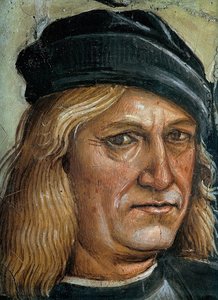
Luca Signorelli
1450 - 1523 , Italy
Quick Facts
- Artistic Movement Or Style: Renaissance
- Artists Or Movements Influenced By This Artist: ['Fra Angelico']
- Artists Who Influenced This Artist: ['Piero della Francesca']
- Date Of Death: 16 October 1523
- Full Name: Luca di Egidio di Ventura Signorelli
- Nationality: Italian
- Notable Artworks:
- The Last Judgment
- School of Pan
- Place Of Birth: Cortona, Italy

