

 Preview
 Send
Send Share
Share
 Details

 Download
 Similars
 X-Ray
X-Ray Diaporama
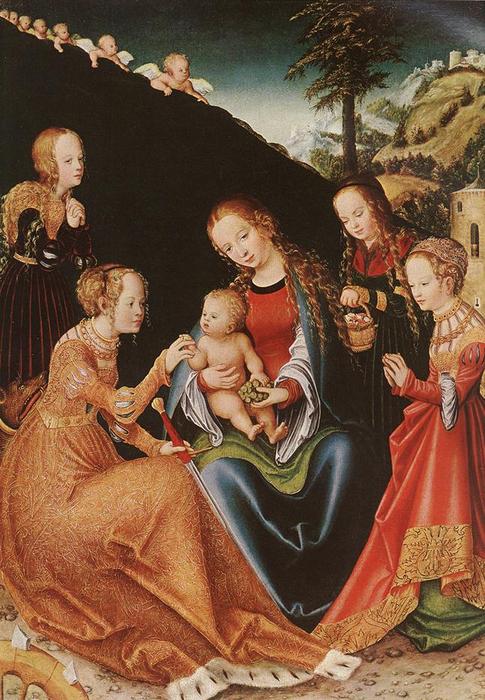
The Mystic Marriage of St. Catherine


 Read More
Purchase a high-resolution, enhanced digital image, far superior to the online preview.
Each file is meticulously prepared by our in-house specialists using advanced tools and expert manual retouching. We ensure every image has exceptional clarity, precise color accuracy, and fine detail.
The final file is delivered via email within 72 hours, optimized for immediate use in professional, editorial, and print environments. This is the same quality trusted by top-tier design studios, publishers, and galleries.
Digital Image
Download a high-resolution file for personal display, printing, and creative projects. ( Buy Print Buy Hand Made Painting)
Included in Every Digital Image Order
Expert Digital Delivery, Guaranteed
When you choose ArtsDot.com, you're not just getting an image - you're receiving a professionally enhanced digital artwork, crafted with precision and backed by a satisfaction guarantee. Here's everything that comes with your order, automatically:

Fast Email Delivery
Your high-resolution digital image file will be emailed to you within 72 hours of ordering - ready for immediate use.

AI-Enhanced Digital File
Your artwork is professionally optimized using advanced AI tools and manual editing, ensuring maximum detail, clarity, and color accuracy.

Free Lifetime Re-Delivery
Accidentally deleted or lost your file? No worries - we'll resend it to you anytime, free of charge.

No Import Fees - Ever
Enjoy your artwork instantly with zero customs, duties, or delivery fees - digital downloads are always tax-free.

Color Accuracy Guarantee
We ensure your digital image reflects the original colors as closely as possible using professional tools and color management.

60-Day Satisfaction Guarantee
If you're not satisfied with your digital image, we'll revise it or refund 100% within 60 days - no questions asked.

100% Money-Back Guarantee
Not satisfied? Get a full refund within 60 days of receiving your digital file - no questions asked.

Bulk Order Discounts
Buy 3 images, save 10% - Buy 5, save 15% - Buy 10+, save 20%. Great for creative projects, galleries, and agencies.
The Mystic Marriage of St. Catherine: A Northern Renaissance Masterpiece
Lucas Cranach the Elder’s “The Mystic Marriage of St. Catherine,” painted in 1516, is more than just a religious depiction; it's a window into the heart of the Northern Renaissance and a testament to Cranach’s unparalleled ability to infuse spiritual themes with profound human emotion. Housed within the Museum of Fine Arts in Budapest, this oil-on-panel work immediately captivates with its elegant figures, intricate details, and a palpable sense of reverence. The painting depicts St. Catherine of Alexandria in a mystical union with Christ, accompanied by the venerated Saints Dorothy, Margaret, and Barbara – a powerful tableau reflecting devotion and faith within the context of early 16th-century Germany.
A Synthesis of Style and Symbolism
Cranach’s style is immediately recognizable as a cornerstone of the Northern Renaissance. Influenced by artists like Jan van Eyck and Rogier van der Weyden, he masterfully employs meticulous detail and rich color palettes to create an atmosphere of luminous beauty. Observe how the light plays across the figures' garments, enhancing their three-dimensionality and contributing to the painting’s overall sense of realism – a hallmark of the era. The composition itself is carefully balanced, guiding the viewer’s eye from St. Catherine at the center, through the supporting saints, towards the radiant Christ figure. Beyond mere representation, Cranach layers symbolism throughout the scene. The mystical marriage signifies not just a physical union but a profound spiritual connection – Catherine's transformation into a saint, her elevation to divine grace. The presence of the other female figures underscores their shared faith and mutual support within the Christian community.
Technique and Materials: A Window into Cranach’s Workshop
The painting was executed in oil on panel, a technique favored by Cranach for its ability to achieve subtle gradations of color and create smooth, luminous surfaces. The artist's meticulous brushwork is evident in the rendering of fabrics – the flowing robes of the saints, the delicate folds of Catherine’s garments – each meticulously crafted to convey texture and movement. The use of tempera pigments mixed with linseed oil allowed for a level of detail rarely seen before, contributing significantly to the painting’s enduring beauty. The panel itself, likely sourced from Northern Europe, would have been prepared with several layers of gesso, providing a perfect surface for the application of paint.
Historical Context and Legacy
"The Mystic Marriage of St. Catherine" was created during a period of immense social and religious change in Germany – the early 16th century, a time marked by the rise of Protestantism and the questioning of established dogma. Cranach’s work reflects this atmosphere, blending traditional religious iconography with a growing emphasis on individual piety. His patronage extended to prominent figures like Frederick III, Elector of Saxony, further solidifying his position as one of the most influential artists of his time. Lucas Cranach the Elder's legacy extends far beyond this single masterpiece; he remains a pivotal figure in art history, influencing generations of painters and shaping the course of Northern Renaissance art.
Bringing "The Mystic Marriage" into Your Space
A hand-painted reproduction of “The Mystic Marriage of St. Catherine” offers an unparalleled opportunity to experience the beauty and power of Cranach’s vision. Whether adorning a grand salon or a smaller study, this artwork will undoubtedly become a focal point, sparking conversation and inspiring contemplation. ArtsDot.com provides meticulously crafted reproductions that capture not only the visual details but also the emotional depth and historical significance of this iconic masterpiece.
Related Artworks
Artist Biography
A Renaissance Master of Saxony: The Life and Art of Lucas Cranach the Elder
Lucas Cranach the Elder, born in Kronach, Germany around 1472, stands as a pivotal figure of the German Renaissance. His life unfolded during a period of immense religious and political upheaval, and his art became inextricably linked to both the burgeoning Protestant Reformation and the opulent courts he served. Initially trained by his father, Hans Maler, Cranach’s early artistic development remains somewhat shrouded in mystery, though influences from South German masters are evident in his evolving style. He quickly distinguished himself not merely as a skilled craftsman but as an artist capable of capturing psychological depth alongside technical precision – qualities that would soon draw the attention of powerful patrons. In 1504, he entered the service of Frederick III, Elector of Saxony, a relationship that would define much of his career and provide him with both stability and access to influential circles. This appointment as court painter in Wittenberg wasn’t simply about producing decorative works; it placed Cranach at the very heart of one of the most transformative movements in European history.Patronage, Reformation, and Artistic Innovation
Cranach's position within the Saxon court proved crucial not only for his livelihood but also for his artistic development. He wasn’t merely documenting events; he was actively shaping visual narratives during a time of profound change. His most enduring legacy is arguably his close association with Martin Luther, the central figure of the Protestant Reformation. Cranach created no fewer than eleven portraits of Luther, each offering a unique glimpse into the reformer's personality and evolving role. These weren’t simply likenesses; they were carefully constructed images designed to project authority, piety, and intellectual strength – essential qualities for a leader challenging the established religious order. Beyond portraiture, Cranach translated Reformation theology into visual form, producing woodcuts and paintings that disseminated Protestant ideas widely. His depictions of biblical scenes moved away from traditional Catholic iconography, emphasizing direct engagement with scripture and fostering a more personal relationship between the viewer and faith. The Annunciation to Joachim, for example, radiates a joyful spirit, reflecting the new emphasis on individual piety within the reformed church. This innovative approach extended beyond religious subjects; Cranach’s mythological paintings, such as depictions of Venus and other classical figures, often carried allegorical meanings relevant to contemporary political and social issues.A Workshop Dynasty: Style and Technique
Lucas Cranach the Elder was not a solitary artist working in isolation. He ran a remarkably productive workshop, employing numerous assistants and apprentices who contributed significantly to his output. This collaborative approach meant that many works attributed to Cranach were actually produced under his direction or by members of his circle – including his son, Lucas Cranach the Younger. The Cranach workshop became known for its distinctive style: elegant figures with elongated proportions, vibrant colors, and meticulous attention to detail. His technique involved a combination of oil painting, woodcut, and engraving, allowing him to reach a broad audience through both original artworks and affordable prints. Stag Hunt of Elector Friedrich III the Wise, exemplifies his mastery of Northern Renaissance style, showcasing detailed realism alongside noble symbolism. The composition is dynamic, capturing the energy of the hunt while simultaneously conveying the power and status of the elector. Cranach’s use of light and shadow creates a sense of depth and atmosphere, drawing the viewer into the scene. His portraits are equally compelling, characterized by their psychological insight and refined execution.Legacy and Enduring Influence
Lucas Cranach the Elder died in 1553, leaving behind an extraordinary artistic legacy that continues to resonate today. He was a master of portraiture, a skilled interpreter of religious themes, and a shrewd businessman who understood the power of visual communication. His work not only reflects the cultural and intellectual currents of his time but also helped shape them. The Cranach workshop continued to flourish after his death, ensuring that his style and techniques were perpetuated for generations. His influence can be seen in the works of numerous subsequent artists, and his paintings remain highly sought-after by collectors and museums worldwide. From the iconic portraits of Martin Luther to the captivating mythological scenes, Cranach’s art offers a fascinating window into the world of the German Renaissance – a world marked by both profound spiritual questioning and artistic innovation. His ability to blend religious fervor, political savvy, and artistic talent cemented his place as one of the most important artists of his era, and his contributions continue to inspire and captivate audiences centuries later.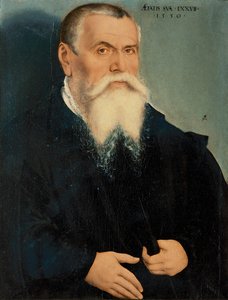
Lucas Cranach the Elder
1472 - 1553 , Germany
Quick Facts
- Artistic Movement Or Style: German Renaissance
- Date Of Birth: 1472
- Date Of Death: 1553
- Full Name: Lucas Cranach the Elder
- Nationality: German
- Notable Artworks:
- Stag Hunt
- Self-Portrait
- Annunciation to Joachim
- Adam and Eve
- Judith with Holofernes
- Place Of Birth: Kronach, Germany

