

 Preview
 Send
Send Share
Share
 Details

 Download
 Similars
 X-Ray
X-Ray Diaporama
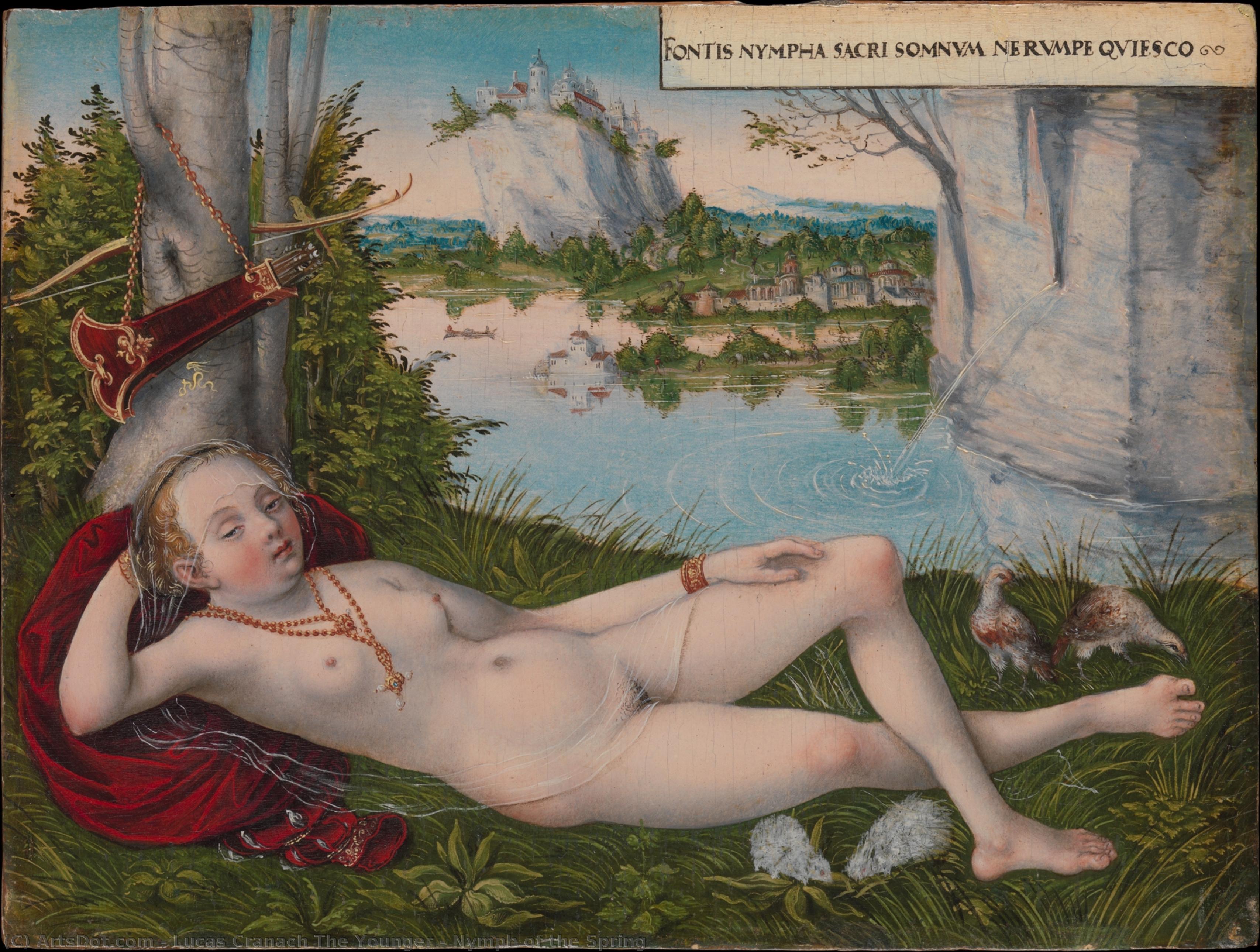
Nymph of the Spring
 Oil On Panel
- WallArt
- Renaissance
 1545
1545 15.0 x 20.0 cm
 Metropolitan Museum of Art
 Read More
Purchase a high-resolution, enhanced digital image, far superior to the online preview.
Each file is meticulously prepared by our in-house specialists using advanced tools and expert manual retouching. We ensure every image has exceptional clarity, precise color accuracy, and fine detail.
The final file is delivered via email within 72 hours, optimized for immediate use in professional, editorial, and print environments. This is the same quality trusted by top-tier design studios, publishers, and galleries.
Digital Image
Download a high-resolution file for personal display, printing, and creative projects. ( Buy Print Buy Hand Made Painting)
Included in Every Digital Image Order
Expert Digital Delivery, Guaranteed
When you choose ArtsDot.com, you're not just getting an image - you're receiving a professionally enhanced digital artwork, crafted with precision and backed by a satisfaction guarantee. Here's everything that comes with your order, automatically:

Fast Email Delivery
Your high-resolution digital image file will be emailed to you within 72 hours of ordering - ready for immediate use.

AI-Enhanced Digital File
Your artwork is professionally optimized using advanced AI tools and manual editing, ensuring maximum detail, clarity, and color accuracy.

Free Lifetime Re-Delivery
Accidentally deleted or lost your file? No worries - we'll resend it to you anytime, free of charge.

No Import Fees - Ever
Enjoy your artwork instantly with zero customs, duties, or delivery fees - digital downloads are always tax-free.

Color Accuracy Guarantee
We ensure your digital image reflects the original colors as closely as possible using professional tools and color management.

60-Day Satisfaction Guarantee
If you're not satisfied with your digital image, we'll revise it or refund 100% within 60 days - no questions asked.

100% Money-Back Guarantee
Not satisfied? Get a full refund within 60 days of receiving your digital file - no questions asked.

Bulk Order Discounts
Buy 3 images, save 10% - Buy 5, save 15% - Buy 10+, save 20%. Great for creative projects, galleries, and agencies.
Collectible Description
Lucas Cranach the Younger’s Enchanting Nymph of Spring
Lucas Cranach the Younger’s “Nymph of the Spring,” completed around 1545–50, stands as a testament to the enduring allure of Renaissance idealism interwoven with the urgent moral currents of the Protestant Reformation. More than simply replicating classical beauty—though it undeniably draws inspiration from Italian Mannerism—Cranach imbued this deceptively serene painting with a profound symbolic resonance that continues to captivate viewers centuries later. It’s a masterful distillation of humanist thought and artistic innovation, offering a glimpse into the intellectual landscape of its time.A Classical Echo in Bavarian Landscape
The artwork depicts a nude female figure, likely representing a nymph or goddess of springtime, reclining gracefully on a bed of lush grass beside a tranquil body of water. Cranach’s masterful composition balances the central figure against a backdrop of rolling hills dotted with distant buildings—a deliberate choice reflecting the humanist preoccupation with idealized landscapes and harmonious natural order prevalent during his era. The artist meticulously rendered the scene, capturing not just visual accuracy but also conveying an atmosphere of contemplative beauty – a hallmark of Renaissance artistic ambition. Notice how the subtle shading creates depth and volume, mirroring the grandeur of the Bavarian countryside.Renaissance Technique: Oil on Beech Panel
Executed in oil paint on beech panel, “Nymph of the Spring” exemplifies Cranach’s meticulous attention to detail and technical prowess. The artist employed a layered brushwork technique—characterized by subtle blending and tonal gradations—to achieve remarkable textural richness and depth. This painstaking process resulted in an image imbued with palpable luminosity and conveying a sense of atmospheric perspective. Observe the delicate handling of color; Cranach skillfully blended hues to create nuanced shades that enhance the painting’s overall impression of serenity and grace. The beech panel itself contributes to the artwork's aesthetic quality, providing a stable support for the luminous oil paint surface.Symbolism of Fertility and Divine Grace
The painting’s symbolism speaks volumes about the Renaissance worldview. The nymph embodies fecundity, representing the renewal of life and mirroring the theological concept of divine grace—a cornerstone of Protestant thought. Her pose exudes tranquility and contemplation, inviting viewers to contemplate themes of beauty, innocence, and spiritual harmony. Cranach's deliberate positioning of the figure against the landscape underscores this connection between nature and faith, a central preoccupation for artists and theologians alike during the Reformation period. The inscription at the top – “Nymph of the Spring” – serves as a direct reference to classical mythology, grounding the artwork in established artistic traditions while simultaneously elevating it to a spiritual level.Emotional Impact: A Moment Frozen in Time
“Nymph of the Spring” transcends mere visual representation; it evokes a profound emotional resonance that lingers long after viewing. The painting’s stillness and luminous palette inspire contemplation and invite viewers to appreciate the sublime beauty of the natural world—a sentiment deeply rooted in humanist ideals. Cranach's masterful execution captures not just an image but also a feeling, transporting us back to a time when art served as a vehicle for conveying moral and spiritual truths. It remains a captivating masterpiece, demonstrating the enduring power of Renaissance artistry to inspire awe and wonder.Related Artworks
Artist Biography
The Legacy of Lucas Cranach the Younger: A Renaissance Vision
In the heart of the German Renaissance, a period defined by profound theological shifts and intellectual rebirth, Lucas Cranach the Younger emerged as a master of visual storytelling. Born in 1515 in Kronach, Bavaria, he was destined to inherit more than just a name; he inherited a monumental artistic legacy. As the son of the legendary Lucas Cranach the Elder, the younger Cranach stepped into a world where art and ideology were inextricably linked. His life’s work would become a bridge between the established traditions of his father’s workshop and the burgeoning, often turbulent, spirit of the Protestant Reformation.
The foundations of his talent were laid through rigorous training, notably under the influence of the great Albrecht Dürer in Nuremberg. This early exposure to Dürer’s meticulous precision instilled in him a lifelong devotion to technical mastery and an acute attention to detail. Yet, while he respected the classical forms passed down through his lineage, Cranach the Younger possessed a distinct creative impulse. He sought to move beyond mere imitation, experimenting with chiaroscuro and a more nuanced use of color to breathe life into his subjects, creating a sense of depth and psychological presence that was remarkably modern for his era.
The Painter of the Reformation
To understand the work of Cranach the Younger is to understand the pulse of 16th-century Wittenberg. As the Reformation swept through Europe, the artist found himself at the epicenter of a religious revolution. Supported by powerful Protestant patrons, most notably Frederick III of Saxony, his brush became a tool for conveying the theological convictions of the age. His altarpieces were not merely decorative; they were profound instruments of faith, depicting biblical narratives with a dramatic realism that resonated with the fervor of the time.
Perhaps his most enduring contribution to history lies in his ability to immortalize the faces of the Reformation. Through his portraits, he captured the likenesses of Martin Luther and other pivotal reformers, imbuing them with a sense of dignity, conviction, and human vulnerability. These works did more than record physical features; they conveyed the very essence of a movement. His ability to blend idealized beauty with deep psychological insight allowed him to create icons that served both as personal tributes and as powerful symbols of a new religious identity.
Artistic Mastery and Historical Significance
Beyond his religious fervor, Cranach the Younger was a prolific portraitist of the nobility, capable of capturing the opulence and status of the European elite with grace and sophistication. His workshop, which he continued to lead with distinction after 1550, remained a vital center of artistic production in Germany. His versatility allowed him to navigate the complexities of secular and sacred commissions, ensuring that his influence permeated both the halls of power and the sanctuaries of worship.
The historical significance of Lucas Cranach the Younger lies in his role as a custodian of tradition and an agent of change. He successfully navigated the transition from the late Gothic sensibilities of his father to the more humanistic, light-filled approaches of the high Renaissance. His life remains a testament to the power of art to document, shape, and endure through periods of immense social upheaval. Today, his works stand as vibrant windows into a transformative era, reminding us of a time when every brushstroke carried the weight of profound belief.
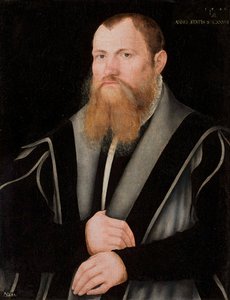
Lucas Cranach the Younger
1515 - 1586 , Germany
Quick Facts
- Artistic Movement Or Style: Renaissance painting
- Artists Or Movements Influenced By This Artist: ['German Renaissance']
- Artists Who Influenced This Artist: ['Lucas Cranach the Elder']
- Date Of Birth: 1515
- Full Name: Lucas Cranach the Younger
- Nationality: German
- Notable Artworks:
- Venus and Amor
- Portrait of a Man
- Portrait of Johannes Cuspinian
- Place Of Birth: Kronach, Germany

