

 Send
Send Share
Share
 Details

 Download
 Similars
 Diaporama
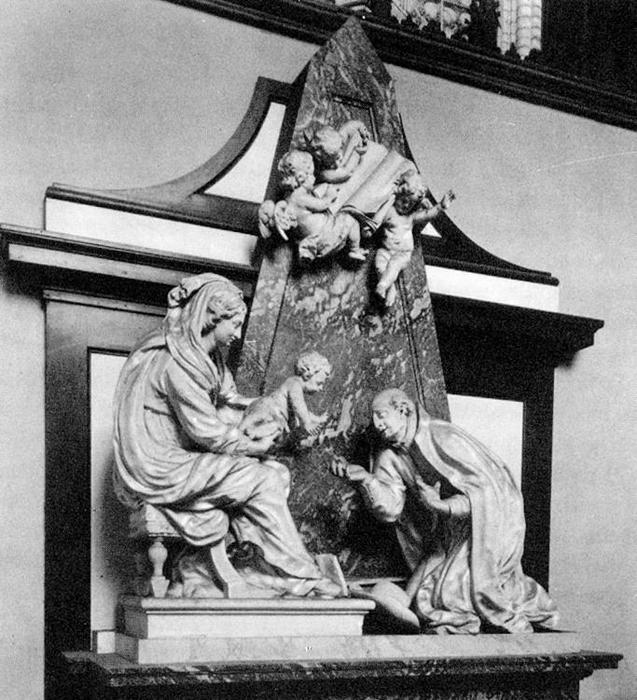
Monument to the Berthout Family


 Read More
Purchase a high-resolution, enhanced digital image, far superior to the online preview.
Each file is meticulously prepared by our in-house specialists using advanced tools and expert manual retouching. We ensure every image has exceptional clarity, precise color accuracy, and fine detail.
The final file is delivered via email within 72 hours, optimized for immediate use in professional, editorial, and print environments. This is the same quality trusted by top-tier design studios, publishers, and galleries.
Digital Image
Download a high-resolution file for personal display, printing, and creative projects. ( Buy Print Buy Hand Made Painting)
Included in Every Digital Image Order
Expert Digital Delivery, Guaranteed
When you choose ArtsDot.com, you're not just getting an image - you're receiving a professionally enhanced digital artwork, crafted with precision and backed by a satisfaction guarantee. Here's everything that comes with your order, automatically:

Fast Email Delivery
Your high-resolution digital image file will be emailed to you within 72 hours of ordering - ready for immediate use.

AI-Enhanced Digital File
Your artwork is professionally optimized using advanced AI tools and manual editing, ensuring maximum detail, clarity, and color accuracy.

Free Lifetime Re-Delivery
Accidentally deleted or lost your file? No worries - we'll resend it to you anytime, free of charge.

No Import Fees - Ever
Enjoy your artwork instantly with zero customs, duties, or delivery fees - digital downloads are always tax-free.

Color Accuracy Guarantee
We ensure your digital image reflects the original colors as closely as possible using professional tools and color management.

60-Day Satisfaction Guarantee
If you're not satisfied with your digital image, we'll revise it or refund 100% within 60 days - no questions asked.

100% Money-Back Guarantee
Not satisfied? Get a full refund within 60 days of receiving your digital file - no questions asked.

Bulk Order Discounts
Buy 3 images, save 10% - Buy 5, save 15% - Buy 10+, save 20%. Great for creative projects, galleries, and agencies.
A Testament to Family and Faith: The Berthout Monument by Lucas Faydherbe
The Monument to the Berthout Family, sculpted in exquisite marble by Lucas Faydherbe around 1650, stands as a remarkable testament to both familial piety and the burgeoning Baroque aesthetic of Flanders. More than just a funerary monument, it’s a meticulously crafted tableau vivant, capturing a moment of solemn contemplation within an elaborate architectural setting – a scene that speaks volumes about the values and aspirations of its patrons and the artistic sensibilities of the era.
Faydherbe, a pivotal figure in the Flemish Baroque, inherited his passion for sculpture from his father, Hendrik, a respected workshop owner specializing in decorative carving. This lineage instilled within him not only technical mastery but also an understanding of how art could serve as a powerful vehicle for expressing faith and commemorating loved ones. The monument itself is a prime example of this philosophy; it’s a carefully orchestrated narrative designed to honor the Berthout family, particularly their devotion to the church and their standing within the community.
A Composition of Dignified Grace
The sculpture depicts a scene of quiet reverence: a seated woman, presumed to be a member of the Berthout family, holds an open book – a symbol of learning, piety, and perhaps even legal authority. Beside her stands a man, likely her husband, his posture suggesting attentiveness and respect. Scattered around them are several smaller figures, often interpreted as cherubs or angels, adding a layer of divine grace to the scene. The arrangement is hierarchical yet balanced, guiding the viewer’s eye through the composition with subtle gestures and carefully positioned elements.
Faydherbe masterfully employs diagonal lines to create dynamism within the static form of the sculpture. The upward thrust of the figures, combined with the intricate drapery, draws the eye towards the architectural frame that envelops the scene. This framing is not merely decorative; it reinforces the monument’s purpose as a sacred space dedicated to remembrance and prayer. The use of strong vertical lines in the surrounding architecture provides stability and anchors the sculpture within its context.
The Language of Marble: Technique and Texture
Faydherbe's skill lies not only in his composition but also in his technical execution. Working with Carrara marble, he demonstrates a profound understanding of how to capture texture and volume through subtractive sculpting – carefully removing material to reveal the form beneath. The smooth, polished surfaces of the marble reflect light beautifully, creating an illusion of depth and realism. Close examination reveals subtle variations in tone that mimic the natural imperfections of stone, lending the sculpture a sense of authenticity.
The drapery is particularly noteworthy – it’s rendered with remarkable fluidity and detail, conveying both weight and movement. The folds and creases are sculpted with precision, suggesting the texture of fabric while maintaining a cohesive visual harmony. This attention to detail extends to the faces of the figures, which are subtly expressive, hinting at emotions of contemplation and devotion.
Symbolism and Emotional Resonance
Beyond its literal depiction of a family gathering, the monument is rich in symbolic meaning. The open book represents knowledge and faith, while the seated woman’s posture suggests wisdom and authority. The presence of angels reinforces the idea of divine protection and guidance. The overall mood is one of solemnity and reverence – a reflection of the Berthout family's commitment to their religious beliefs and their desire to be remembered with honor.
Looking at the monument today, it’s impossible not to feel a sense of connection to the past. Faydherbe’s work transcends mere craftsmanship; it embodies the values and aspirations of a bygone era – a testament to family, faith, and the enduring power of art to capture and convey profound human emotions.
A Legacy in Stone
The Monument to the Berthout Family remains a significant example of Baroque sculpture, showcasing Faydherbe’s exceptional talent and his deep understanding of artistic principles. Its intricate detail, balanced composition, and evocative symbolism continue to captivate viewers centuries after its creation. Reproductions offer an accessible way to appreciate this remarkable work of art, bringing its beauty and meaning into modern homes and spaces.
Related Artworks

Artist Biography
A Flemish Baroque Luminary: The Life and Art of Lucas Faydherbe
Lucas Faydherbe, born in Mechelen (Malines) in 1617, stands as a pivotal figure in the development of High Baroque sculpture within the Southern Netherlands. His career unfolded during a period of intense artistic ferment, shaped by the religious and political currents of the Counter-Reformation and the enduring legacy of masters like Rubens. Faydherbe wasn’t simply an artist; he was a product of a deeply ingrained artistic lineage, inheriting a passion for creation from both sides of his family. His father, Hendrik Faydherbe, was a respected workshop owner specializing in decorative sculpture and alabaster carving, providing young Lucas with foundational training in the tactile arts. This practical grounding was beautifully complemented by the influence of his mother, Cornelia Franchoys, whose brothers—Lucas and Peter Franchoys the Elder—were accomplished painters. This familial embrace of artistic expression instilled within Faydherbe a sensitivity to form, composition, and the expressive potential of visual media. Following his father’s death and his mother's remarriage to sculptor Maximilian Labbé, he continued honing his skills under Labbé’s guidance, solidifying his technical prowess before embarking on what would become a defining chapter in his artistic journey: an apprenticeship with Peter Paul Rubens around 1636.Under the Wing of Rubens and Forging a Personal Style
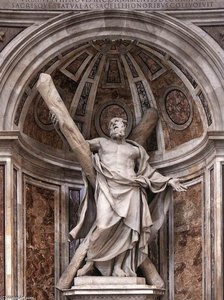
The three years Faydherbe spent within Rubens’s bustling Antwerp workshop were transformative. Immersed in the master's dynamic style, he absorbed the principles of dramatic composition, vibrant color, and emotionally charged narratives that characterized Baroque art. This period wasn’t merely about technical instruction; it was an immersion into a world where classical ideals intertwined with theatrical flair. However, Faydherbe didn’t remain solely within Rubens’s orbit. Circumstances—including marriage and the expectation of fatherhood—led him to return to Mechelen in 1640, establishing his own workshop as a master within the Guild of St. Luke. His early works undeniably bore the imprint of his mentor, exhibiting solemn monumentality, heavy draperies, and a restrained level of detail – exemplified by the statue of Saint Andrew in Brussels Cathedral. Yet, Faydherbe possessed an innate artistic curiosity that propelled him beyond imitation. Around 1645-1655, a distinct shift occurred in his style. His figures gained increased plasticity, designs became richer, and a newfound expressiveness emerged. He began to portray subjects with greater humanity and psychological depth, moving away from the purely decorative towards a more profound engagement with human emotion. This evolution wasn’t solitary; Faydherbe frequently collaborated with fellow sculptors on large-scale religious commissions, notably within St. Rumbold's Cathedral in Mechelen, working alongside artists like Rombaut Pauwels and Mattheus van Beveren.Monumental Commissions and Architectural Ambitions
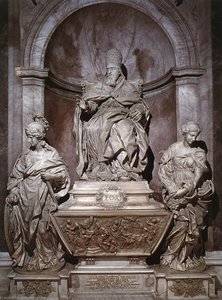
Faydherbe’s talent quickly garnered recognition, leading to a series of significant commissions that cemented his reputation as a leading sculptor in the region. His contributions to St. Rumbold's Cathedral were particularly substantial, encompassing altars, funerary monuments, and decorative elements that showcased his mastery of both sculpture and architectural design. The Funeral Monument of Archbishop Andreas Creusen (1660) stands as a testament to his skill in creating commemorative memorials—a poignant blend of sculptural portraiture and symbolic ornamentation. However, it was the High Altar for St. Rumbold's Cathedral that represented the culmination of his artistic vision. This ambitious project wasn’t merely a sculptural undertaking; it was an integrated work of art, seamlessly blending sculpture with painted wood and stone elements to create a breathtaking spectacle of Baroque grandeur. Beyond his sculptural achievements, Faydherbe harbored a strong belief in the importance of formal artistic education. Inspired by the academies flourishing in Brussels and Antwerp, he tirelessly advocated for the establishment of a similar institution in Mechelen, hoping to foster a new generation of artists. Though his efforts ultimately proved unsuccessful during his lifetime, his commitment underscored his dedication to the advancement of art within his community.Legacy and Historical Significance
Lucas Faydherbe’s impact on Flemish Baroque sculpture is undeniable. He skillfully synthesized the lessons learned from Rubens with his own artistic sensibilities, creating a unique style characterized by dramatic lighting, dynamic compositions, and emotionally resonant figures. His work wasn't simply aesthetically pleasing; it served a vital religious purpose, fulfilling the demands of the Counter-Reformation by producing impactful sculptures that inspired devotion and reinforced Catholic doctrine. He played a crucial role in developing the High Baroque style in the Southern Netherlands, establishing himself as a leading figure in Flemish art. His ability to translate Rubens’s artistic principles into three dimensions was particularly noteworthy, demonstrating a profound understanding of form, movement, and emotional expression. Beyond his individual creations, Faydherbe's legacy extends to the artists he mentored, including Jan van Delen, who continued to carry forward the traditions of Flemish Baroque sculpture. He fostered a tradition of artistic excellence in Mechelen, leaving behind a body of work that continues to captivate and inspire audiences today—a testament to his enduring contribution to the rich tapestry of European art history.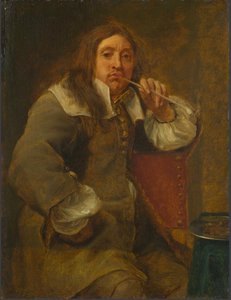
Lucas Faydherbe
1617 - 1697 , Belgium
Quick Facts
- Artistic Movement Or Style: Baroque
- Artists Or Movements Influenced By This Artist: ['Jan van Delen']
- Artists Who Influenced This Artist: ['Peter Paul Rubens']
- Date Of Birth: January 19, 1617
- Date Of Death: December 31, 1697
- Full Name: Lucas Faydherbe
- Nationality: Flemish
- Notable Artworks:
- St. Rumbold's Cathedral works
- Funeral Monument Creusen
- High Altar St. Rumbold's
- Place Of Birth: Mechelen, Belgium

