 Preview
 Send
Send Share
Share
 Details

 Download
 Similars
 X-Ray
X-Ray Diaporama
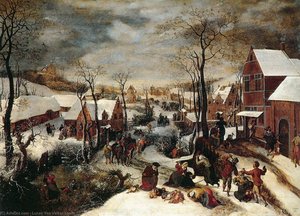
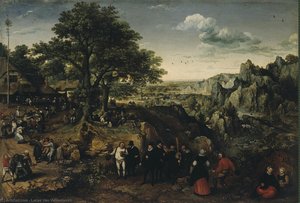
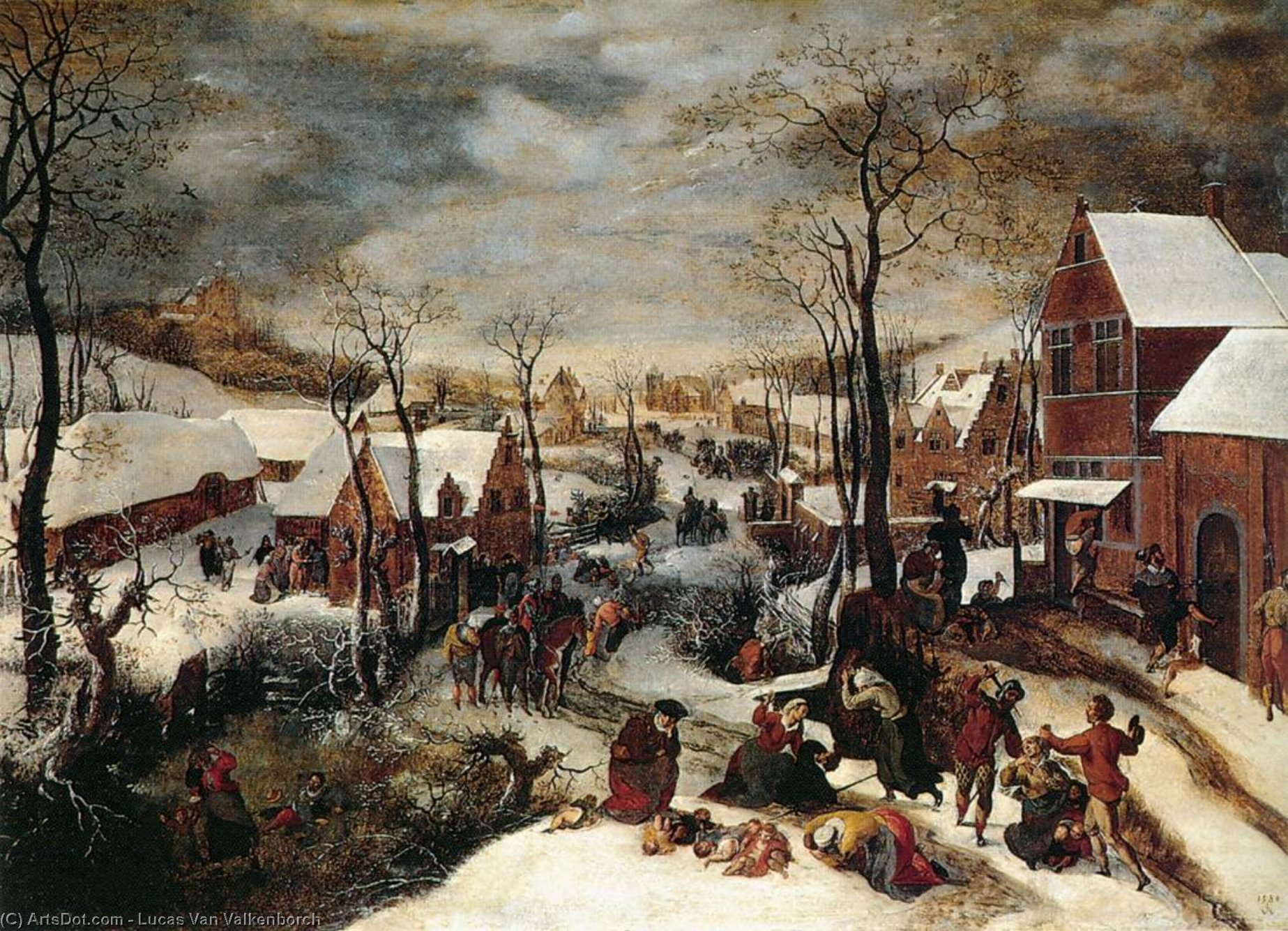
The Massacre of the Innocents
 Oil
Oil- WallArt
- Northern Mannerism
 1586
1586- Early Modern
 78.0 x 108.0 cm
 Museo Thyssen-Bornemisza
 Read More
Hand Made Oil Reproduction
Hand-painted oil on canvas in your size and frame, made to order by our artists. ( Buy Print Buy Image)




P118B $10

P118H $10

P118W $10

P438Z $10

P508JH $12

P508YH $12

P805H $10

P805Z $10

P919BZ $10

P919G $10

P919XJ $10

P959ZH $10

P968JZ $12

W106C $8

W218G $10

W218JH $8

W218Y $10

W307PJ $10

W316G $10

W316PJ $8

W316Y $10

W398PJ $8

W4111J $10

W500HY $15

W500JH $15

W692G $12

W849H $8

W940BG $15

W953PJ $8




Pick from our preset sizes that match the artwork's original proportions.

You may enter your own dimensions to fit a specific frame or space. If your selected size does not match the original image's proportions, we will either crop the artwork or extend the painting with additional hand-painted elements. A digital mockup will be sent for your approval before production begins.
Please note that the on-screen preview does not reflect the actual cropping or extension. Only the mockup will accurately show the final composition.
While custom sizes are available, we recommend selecting a dimension from the predefined list to preserve the original proportions.
After order, ArtsDot.com team will email client for instructions and provide a mockup preview
Worldwide Delivery () in 3/4 weeks instead of standard 5 weeks. (29 August). No compromise on quality.

Free Worldwide Express Shipping

High-Quality Linen Canvas

Full Shipping Insurance

Customs Tax Refund Guarantee

True Color Matching Guarantee

60-Day Return Policy (Defects Only)

100% Money-Back Guarantee

Bulk Discount Offer
 Glass option is only available in size under 110 CM

The Massacre of the Innocents
Reproduction Medium
Reproduction Size
-


Total Price
$ 263
A Vision of Chaos and Devotion
In the hauntingly detailed masterpiece The Massacre of the Innocents, Lucas van Valkenborch invites us into a moment of profound biblical tragedy, rendered with the meticulous precision characteristic of the Flemish tradition. Painted in 1586, this work captures the harrowing decree of King Herod, who sought to extinguish the light of a new era by ordering the deaths of all male infants in Bethlehem. The canvas is not merely a depiction of violence, but a complex tapestry of movement and tension. Through his masterful command of composition, Van Valklamborch orchestrates a scene where the pastoral tranquility of a village is violently interrupted by the arrival of soldiers and horses, creating a visceral sense of dread that resonates through the centuries.
The artist’s technique serves as a bridge between the earthly and the divine. Using a palette that balances the earthy tones of the Flemish landscape with the sharp, dramatic highlights of conflict, Van Valkenborch directs the viewer's eye across a bustling yet tragic tableau. The presence of horses, carts, and figures scattered throughout the village creates a rhythmic, almost cinematic flow. One can almost hear the thundering hooves and the cries of the distraught, as the artist utilizes light to pick out individual details—the texture of a horse's coat, the structural weight of the village buildings, and the desperate gestures of those caught in the crossfire. This level of detail ensures that every gaze upon the painting reveals a new layer of narrative depth.
Historical Resonance and Artistic Legacy
To understand this work is to understand the turbulent era of the late 16th century. As a Flemish Master, Van Valkenborch was deeply influenced by the rich tradition of landscape and genre painting that flourished in the Low Countries. During this period, art often served as a vessel for profound religious and political commentary. In The Massacre of the Innocents, the historical weight of Herod's tyranny is juxtaposed against the quiet, everyday rhythms of rural life. The inclusion of carts and livestock amidst the unfolding tragedy grounds the biblical event in a recognizable, human reality, making the loss feel intimately personal to the observer.
For the discerning collector or interior designer, this painting offers more than just a historical window; it provides a powerful focal point for any sophisticated space. The dramatic scale and emotional gravity of the piece make it an ideal centerpiece for rooms designed to inspire contemplation and conversation. Whether placed in a gallery-style library or as a commanding element in a classical study, a high-quality reproduction of this work brings with it an aura of intellectual depth and timeless elegance. It is a piece that does not merely decorate a wall but breathes life and history into the very atmosphere of a home.
Related Artworks

Artist Biography
Lucas van Valkenborch: A Flemish Master of Rural Visions
Lucas van Valkenborch, a name perhaps less familiar than some of his contemporaries, nevertheless stands as a significant figure in 16th-century Flemish art. Born in Leuven around 1535 and tragically dying in Frankfurt am Main in 1597, he carved out a distinctive niche for himself through meticulously rendered landscapes and genre scenes that offered intimate glimpses into the rhythms of rural life and the bustling streets of Antwerp and beyond. His work, often imbued with a subtle narrative quality, reveals a keen observation of nature combined with a masterful understanding of composition and detail – characteristics that have secured his place as a valued contributor to the rich tapestry of Dutch Masters.
Van Valkenborch’s early life remains somewhat shrouded in mystery. He was part of a large artistic family originating from Leuven, a city renowned for its artistic heritage during this period. His lineage included prominent painters like his father, Marten van Valckenborch, and uncle, Lucas van Valckenborch the elder – all known for their contributions to landscape painting. Following the religious upheaval of the Reformation, the Van Valkenborches, along with many other Calvinist families, sought refuge in Frankfurt am Main, a relatively tolerant haven within the Holy Roman Empire. This migration profoundly shaped the artist’s trajectory, exposing him to new influences and ultimately contributing to his unique artistic style.
The Development of a Distinctive Style
Van Valkenborch's artistic development is inextricably linked to the landscape traditions he inherited from his family and the broader context of Flemish painting. Like his predecessors, he embraced the ‘world landscape’ – panoramic vistas presented from elevated viewpoints, capturing vast stretches of countryside. However, unlike many of his contemporaries who relied heavily on established conventions, Van Valkenborch infused his landscapes with a remarkable sense of immediacy and realism. He frequently depicted actual locations—Liège, Burschied, Antwerp, and Vienna—grounding his compositions in tangible reality.
A key element of his style was the incorporation of narrative elements into his scenes. He wasn’t simply rendering picturesque landscapes; he often wove in details from daily life – farmers tending their fields, travelers on dusty roads, or villagers engaged in various activities. These subtle narratives added layers of meaning and invited viewers to contemplate the human experience within the natural world. This approach aligns closely with the work of Pieter Bruegel the Elder, a contemporary who shared a similar interest in depicting scenes from rural life, though Van Valkenborch’s execution possessed a distinct sensitivity and detail.
Portraiture and Courtly Commissions
While primarily celebrated for his landscapes, Van Valkenborch also made significant contributions to portrait painting. He served as the court painter to Archduke Matthias of Austria, a position that afforded him considerable prestige and allowed him to create numerous portraits of the powerful ruler. These portraits are notable for their refined elegance and meticulous attention to detail, reflecting the artist’s skill in capturing likenesses and conveying personality.
The Archduke's patronage also led Van Valkenborch to undertake large-scale allegorical works, such as the “Feast of the Gods,” a monumental composition depicting mythological figures engaged in revelry. These paintings demonstrate his ability to synthesize diverse artistic influences—including the innovative work of the School of Prague—into a cohesive and visually compelling whole. The influence of Bartholomeus Spranger is particularly evident in the dynamic poses and theatrical settings of these allegorical scenes.
Legacy and Influence
Lucas van Valkenborch’s artistic legacy extends beyond his individual works. His meticulous attention to detail, combined with a deep understanding of landscape composition and narrative storytelling, influenced subsequent generations of Flemish painters. His work stands as a testament to the enduring appeal of depicting the beauty and complexity of the natural world – and the human experience within it.
Despite his relatively modest recognition during his lifetime, Van Valkenborch’s paintings continue to be appreciated for their quiet elegance, evocative atmosphere, and subtle insights into the rhythms of rural life. Museums like the Museum Smidt van Gelder in Antwerp and the Museo Thyssen in Madrid house important examples of his oeuvre, offering viewers a chance to connect with the artistry of this often-overlooked Flemish master.
Further Exploration
For those seeking deeper insights into Lucas van Valkenborch’s life and work, several resources offer valuable information. The Museum Smidt van Gelder in Antwerp provides an excellent overview of Flemish painting from the 17th and 18th centuries, including works by Jan van Goyen and other masters. Similarly, the Museum Mayer van den Bergh in Antwerp houses a remarkable collection of Northern Renaissance art, including Brueghel’s “Mad Meg” and the stunning Mayer van den Bergh Breviary. Furthermore, online resources such as Wikipedia offer comprehensive biographical information and detailed analyses of his artistic style.
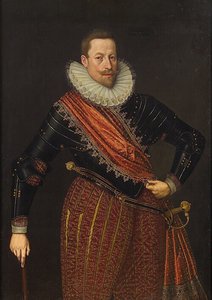
lucas van valkenborch
1535 - 1597 , Belgium
Quick Facts
- Artistic Movement Or Style: Landscape & Genre
- Artists Or Movements Influenced By This Artist: ['Gillis van Valckenborch']
- Artists Who Influenced This Artist: ['Pieter Bruegel the Elder']
- Date Of Birth: 1535, Leuven, Belgium
- Date Of Death: 1597
- Full Name: Lucas van Valkenborch
- Nationality: Flemish
- Notable Artworks:
- Spring Landscape
- Defeat Sanherib
- Place Of Birth: Leuven, Belgium
Related Articles

Romantic Landscapes: 10 Masterpieces for Your Home | ArtsDot
Journey through 10 Romantic landscape masterpieces by Friedrich, Turner & Cole. Explore emotional art, sublime nature scenes & iconic 19th-century paintings. Find museum-quality reproductions for your home at ArtsDot.com – discover the full collection online!

Evocations of Place: A Historical Journey Through Landscape Art
Explore the rich history of landscape art with ArtsDot. Discover renowned artists, movements like Impressionism & Romanticism, and expert guidance for collecting timeless pieces. Find your perfect serene escape today!

John Constable's Masterpieces: Explore 25 Iconic Landscapes for Your Home
Journey through John Constable's 25 most celebrated landscapes. Explore Romanticism, Dedham Vale & his masterful use of light in iconic paintings like 'Hay Wain'. Find museum-quality art reproductions and elevate your home decor on ArtsDot.com.
Evocations of Place: A Historical Journey Through Landscape Art
Explore the rich history of landscape art with ArtsDot. Discover renowned artists, movements like Impressionism & tonalism, and expert guidance for collecting timeless pieces. Find your perfect serene escape today!
Evoking Nature's Sublime: A Comprehensive Exploration of 19th-Century Landscape Painting
Explore the captivating world of 19th-century landscape painting! Discover renowned artists like Friedrich & Monet, key movements, and find the perfect artwork to bring nature's serenity into your home. Expert insights at ArtsDot.