 Preview
 Send
Send Share
Share
 Details

 Download
 Similars
 X-Ray
X-Ray Diaporama
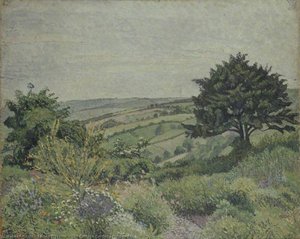
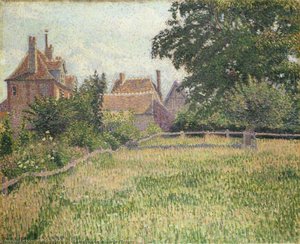
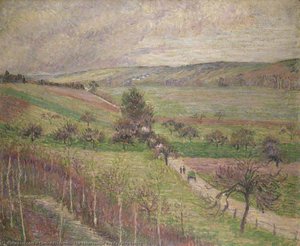
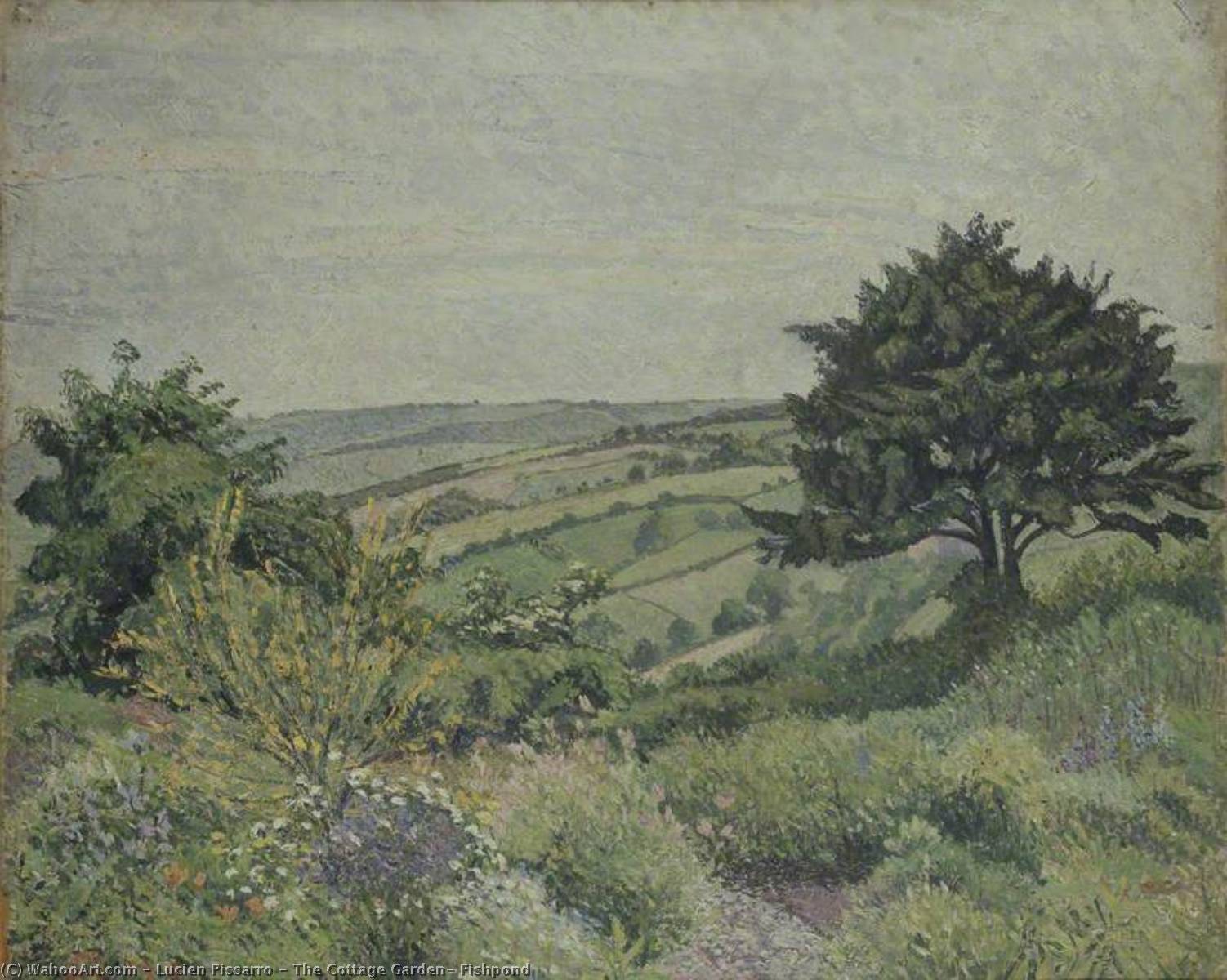
The Cottage Garden, Fishpond


 Read More
Giclée / Art Print
Museum-quality giclée or canvas print with fast production and flexible finish options. ( Buy Hand Made Painting Buy Image)




P118B $10

P118H $10

P118W $10

P438Z $10

P508JH $12

P508YH $12

P805H $10

P805Z $10

P919BZ $10

P919G $10

P919XJ $10

P959ZH $10

P968JZ $12

W106C $8

W218G $10

W218JH $8

W218Y $10

W307PJ $10

W316G $10

W316PJ $8

W316Y $10

W398PJ $8

W4111J $10

W500HY $15

W500JH $15

W692G $12

W849H $8

W940BG $15

W953PJ $8




Pick from our preset sizes that match the artwork's original proportions.

You may enter your own dimensions to fit a specific frame or space. If your selected size does not match the original image's proportions, we will either crop the artwork or extend the image with a mirrored or solid-fill edge. A digital mockup will be sent for your approval before production begins.
Please note that the on-screen preview does not reflect the actual cropping or extension. Only the mockup will accurately show the final composition.
While custom sizes are available, we recommend selecting a dimension from the predefined list to preserve the original proportions.
Worldwide Delivery () in 2 weeks instead of standard 4/5 weeks. (27 August)

Free Worldwide Express Shipping

High-Quality Linen Canvas

Full Shipping Insurance

Customs Tax Refund Guarantee

True Color Matching Guarantee

60-Day Return Policy (Defects Only)

100% Money-Back Guarantee

Bulk Discount Offer
 Glass option is only available in size under 110 CM

The Cottage Garden, Fishpond
Giclée / Art Print
Reproduction Size
-


Total Price
$ 63
Collectible Description
A Tranquil Vista of Rural France: Lucien Pissarro’s “The Cottage Garden, Fishpond”
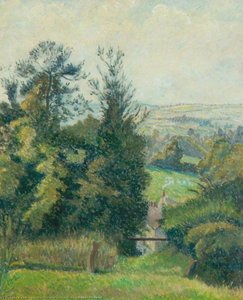
Lucien Pissarro's "The Cottage Garden, Fishpond," painted in 1915, stands as a quintessential example of Impressionist landscape art—a serene depiction capturing the essence of rural life during a pivotal moment in European history. Originating from Ashmolean Museum’s collection in Oxford, this oil painting transcends mere visual representation; it's an invitation to experience the quiet beauty and contemplative spirit of the countryside.Subject Matter & Composition
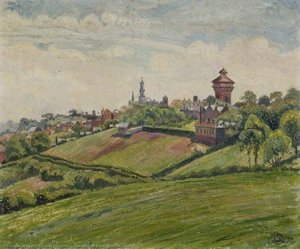
The artwork centers around a picturesque hillside scene dominated by lush vegetation—trees laden with blossoms and shrubs interspersed amongst rolling meadows. A tranquil fishpond occupies a prominent position, reflecting the diffused sunlight that characterizes the overall atmosphere. Pissarro’s masterful composition utilizes horizontal lines to delineate the landforms, creating a sense of stability against the vertical thrust of the trees. This deliberate arrangement guides the viewer's eye across the canvas, fostering a feeling of openness and immersion in the natural environment.Style & Technique: Impressionistic Brilliance
Pissarro’s artistic approach aligns perfectly with the tenets of Impressionism—a movement that prioritized capturing fleeting moments of light and color over precise detail. The painting is rendered in loose brushstrokes, eschewing meticulous realism for a more expressive portrayal. Visible pigment particles dance across the surface, creating textured patches that convey the materiality of the paint itself. This technique – primarily wet-on-wet – allows Pissarro to blend colors seamlessly, achieving remarkable tonal harmonies and capturing the subtle nuances of light as it filters through foliage. The artist skillfully employs broken color—applying small dabs of complementary hues—to build up luminous values and heighten visual impact.Historical Context & Artistic Influences
Painted in 1915, “The Cottage Garden, Fishpond” emerged during a period marked by significant social and political upheaval – the height of World War I. Despite the turbulent times, Pissarro’s vision remained steadfastly focused on celebrating the beauty of nature—a deliberate counterpoint to the anxieties of the era. Influenced by Impressionist predecessors like Claude Monet and Camille Corot, Pissarro embraced a stylistic lineage that championed observation and emotional resonance. His work reflects the broader artistic currents of Neo-Impressionism, where artists sought to explore scientific theories about color perception and pigment mixing.Symbolism & Emotional Resonance
Beyond its aesthetic qualities, “The Cottage Garden, Fishpond” carries symbolic weight. The tranquil pond represents stillness and reflection—inviting contemplation amidst the chaos of war. The blossoming trees symbolize renewal and vitality—affirming life’s enduring beauty even in challenging circumstances. Pissarro's masterful use of color contributes to the painting’s emotional impact, conveying a palpable sense of peace and serenity. Viewing this artwork evokes feelings of nostalgia for simpler times and encourages appreciation for the restorative power of natural landscapes. It is a testament to Pissarro’s ability to transform observation into profound artistic expression.Concluding Remarks
Lucien Pissarro's “The Cottage Garden, Fishpond” remains an enduring masterpiece—a captivating glimpse into a bygone era rendered with unparalleled sensitivity and artistry. Its luminous palette, expressive brushwork, and harmonious composition continue to inspire admiration and resonate deeply within the hearts of art lovers worldwide.Related Artworks
Artist Biography
Camille Pissarro: A Pioneer of Light and Life
Born Jacob Abraham Camille Pissarro on July 10, 1830, in Saint-Thomas, a Danish colony in the Caribbean, Pissarro’s artistic journey was one shaped by constant movement and a profound connection to the natural world. His early life, immersed in the vibrant colors and rhythms of island life – his father ran a general store – instilled within him an appreciation for observation and a sensitivity to light that would become hallmarks of his mature work. Unlike many artists who sought formal training early on, Pissarro’s artistic inclinations emerged later, spurred by a chance encounter with Fritz Melbye, a Danish painter, in 1850. This meeting ignited a passion within him, leading him to abandon his family's business and dedicate himself entirely to the pursuit of art.
Pissarro’s early years were spent primarily in Paris, a hub of artistic innovation during the mid-19th century. He initially struggled to find his footing, working as a copyist at the Louvre – a position that allowed him access to masterworks and invaluable study time – and supplementing his income with teaching drawing. It was through this period of apprenticeship that he began to develop his own style, influenced by the burgeoning Realist movement but quickly moving beyond its rigid constraints. He sought to capture not just the appearance of things, but also the *feeling* of being present in a particular place and time. This desire for immediacy would later define his approach to Impressionism.
The Hudson River School and Early Parisian Influences
Pissarro’s artistic development took a significant turn when he encountered the works of the Hudson River School painters, particularly Thomas Cole and Frederic Church. Their dramatic landscapes, imbued with Romantic ideals and a reverence for nature, profoundly impacted his vision. He was drawn to their ability to convey both the grandeur and the spiritual significance of the American wilderness. However, Pissarro’s artistic sensibilities were not simply imitative; he absorbed the School's techniques – particularly its use of atmospheric perspective and dramatic lighting – while simultaneously forging a distinct path.
Returning to Paris in 1855, Pissarro quickly became involved with the burgeoning Impressionist movement. He befriended Claude Monet, Pierre-Auguste Renoir, and Alfred Sisley, artists who were challenging the established conventions of the Salon system. Pissarro’s early Parisian works reflect this influence, characterized by loose brushstrokes, a focus on capturing fleeting moments of light, and an interest in depicting everyday life – scenes of market stalls, rural landscapes, and working-class communities. He was particularly interested in portraying the effects of weather and atmosphere, often painting en plein air (outdoors) to directly observe these phenomena.
The Impressionist Years: Experimentation and Collaboration
Pissarro’s involvement with the Impressionists extended beyond mere association; he played a crucial role in shaping their collective identity. He was one of the key organizers of the first eight Impressionist exhibitions in 1874, 1876, 1877, 1879, 1880, 1882, 1886 and 1889, providing a vital platform for these artists to showcase their work. During this period, Pissarro’s style underwent significant evolution. He experimented with various techniques – including pointillism, influenced by Georges Seurat and Paul Signac – seeking new ways to represent light and color. His paintings became increasingly vibrant and dynamic, capturing the energy of urban life and the beauty of the French countryside.
Notably, Pissarro’s relationship with Camille Pissarro (no relation) was a significant influence on his work during this time. They collaborated frequently, sharing ideas and techniques, and often painting the same subjects from slightly different perspectives. This collaborative spirit fostered innovation and helped to push the boundaries of Impressionist art.
Later Years and Legacy
As he aged, Pissarro’s style became more subdued and contemplative. He continued to paint prolifically throughout his long life, moving away from the bustling urban scenes of his youth to focus on quieter landscapes and portraits. His later works are characterized by a remarkable clarity of form and a deep sense of serenity. Despite facing periods of financial hardship and artistic uncertainty, Pissarro remained dedicated to his craft until his death in 1903 at the age of 73.
Camille Pissarro’s legacy is immense. He is considered one of the founding fathers of Impressionism, a pivotal figure in the development of modern art. His innovative use of color and light, his commitment to capturing the fleeting moments of everyday life, and his collaborative spirit have had a profound influence on generations of artists. His paintings continue to resonate with viewers today, offering a glimpse into the beauty and complexity of the world around us.
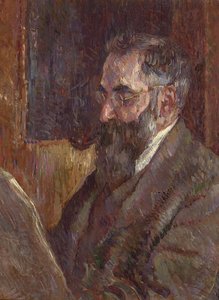
lucien pissarro
1830 - 1944
Quick Facts
- Artistic Movement Or Style: Impressionism, Pointillism
- Artists Or Movements Influenced By This Artist:
- Paul Cézanne
- Impressionists
- Artists Who Influenced This Artist:
- Fritz Melbye
- Düsseldorf School
- Date Of Birth: July 10, 1830
- Date Of Death: November 13, 1903
- Full Name: Camille Pissarro
- Nationality: Danish, French
- Notable Artworks:
- Boulevard Montmartre
- La Grenouillère
- The Magpie
- Red Roofs at Chatouville
- Place Of Birth: Saint Thomas, Denmark
Related Articles

Impressionist Landscapes: 10 Masterpieces for Your Home | ArtsDot
Journey through 10 iconic Impressionist landscapes by Monet, Renoir & Degas. Explore the history, techniques & emotions behind these masterpieces. Find museum-quality reproductions for your home at ArtsDot.com – where art comes to life! Discover all masterpieces on ArtsDot.com

Impressionistic Landscapes: 10 Masterpieces That Changed Art & Decor
Journey into the heart of Impressionism! Explore 10 masterpieces by Monet, Renoir & Degas that revolutionized landscape art. Discover their stories, techniques & find museum-quality reproductions to elevate your home decor on ArtsDot.com.
Cultivating Paradise: A Historical & Artistic Exploration of Gardens in Painting
Explore the rich history of gardens in painting! Discover masterpieces from Renaissance to Impressionism & beyond. Learn about symbolism, artists like Monet & Klimt, and find your perfect artwork at ArtsDot.

Evocations of Place: A Historical Journey Through Landscape Art
Explore the rich history of landscape art with ArtsDot. Discover renowned artists, movements like Impressionism & Romanticism, and expert guidance for collecting timeless pieces. Find your perfect serene escape today!

Romantic Landscapes: 10 Masterpieces for Your Home | ArtsDot
Journey through 10 Romantic landscape masterpieces by Friedrich, Turner & Cole. Explore emotional art, sublime nature scenes & iconic 19th-century paintings. Find museum-quality reproductions for your home at ArtsDot.com – discover the full collection online!