 Preview
 Send
Send Share
Share
 Details

 Download
 Similars
 X-Ray
X-Ray Diaporama
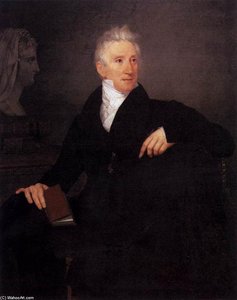
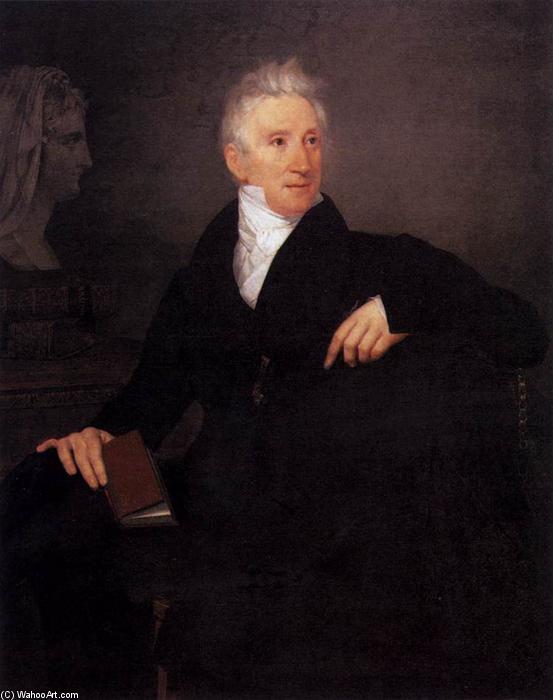
Portrait of Count Leopoldo Cicognara
 1825
1825 118.0 x 93.0 cm
 Gallerie dell'Accademia
 Read More
Hand Made Oil Reproduction
Hand-painted oil on canvas in your size and frame, made to order by our artists. ( Buy Print Buy Image)




































Pick from our preset sizes that match the artwork's original proportions.

You may enter your own dimensions to fit a specific frame or space. If your selected size does not match the original image's proportions, we will either crop the artwork or extend the painting with additional hand-painted elements. A digital mockup will be sent for your approval before production begins.
Please note that the on-screen preview does not reflect the actual cropping or extension. Only the mockup will accurately show the final composition.
While custom sizes are available, we recommend selecting a dimension from the predefined list to preserve the original proportions.
After order, ArtsDot.com team will email client for instructions and provide a mockup preview
Worldwide Delivery () in 3/4 weeks instead of standard 5 weeks. (23 August). No compromise on quality.

Free Worldwide Express Shipping

High-Quality Linen Canvas

Full Shipping Insurance

Customs Tax Refund Guarantee

True Color Matching Guarantee

60-Day Return Policy (Defects Only)

100% Money-Back Guarantee

Bulk Discount Offer
 Glass option is only available in size under 110 CM

Portrait of Count Leopoldo Cicognara
Reproduction Medium
Reproduction Size
-


Total Price
$ 263
Related Artworks








Artist Biography
Ludovico Lipparini: Venetian Romanticism's Painter of History and Emotion
Ludovico Lipparini (February 17, 1800 – March 19, 1856) stands as a pivotal figure in Italian Romantic painting, particularly within the Venetian artistic milieu. Born in Bologna, he swiftly moved to Venice at seventeen, immersing himself in the rigorous training offered by the Accademia delle Belle Arti and forging connections with luminaries like Francesco Hayez – relationships that profoundly shaped his artistic trajectory. His early years were marked by a dedication to classical ideals, absorbing the influence of Antonio Canova’s sculptures and embracing the meticulous observation demanded by academic art practice. This foundational grounding would prove crucial in shaping Lipparini's distinctive style, blending historical narrative with palpable emotional resonance.- Early Influences & Training: Lipparini’s formative years at Bologna instilled a deep appreciation for classical aesthetics, mirroring the broader artistic currents of his time. His studies under Teodoro Matteini and Liberale Cozza cemented his understanding of Venetian artistic tradition and exposed him to the grandeur of antiquity – specifically the plaster casts of Canova.
- Rome & Naples: A pivotal journey to Rome and Naples in 1820 served as a catalyst for Lipparini’s intellectual and artistic maturation. He sought inspiration from the ruins of Pompeii and Herculaneum, immersing himself in the study of Greco-Roman sculpture and architecture. This exposure fueled his fascination with historical subjects and solidified his commitment to portraying dramatic narratives with meticulous detail.
- Venetian Academia & Hayez’s Collaboration: Lipparini's appointment as professor at the Accademia di Belle Arti in 1838 marked a significant milestone, establishing him as a respected educator and fostering collaborations with fellow artists like Francesco Hayez. Their shared studio fostered an environment of artistic experimentation and debate, contributing to the development of Venetian Romanticism’s expressive idiom.
A Master of Historical Narrative & Psychological Depth
Lipparini distinguished himself as a painter capable of conveying both grand historical events and nuanced psychological portraits. His canvases pulsated with energy and emotion, reflecting the turbulent spirit of his era—a spirit mirrored in the works of Hayez and other Venetian artists grappling with themes of heroism, morality, and human suffering. He achieved renown for his depictions of biblical scenes and mythological narratives, meticulously researched and rendered with breathtaking realism. Notable amongst his early masterpieces were Marius besieged by the Cimbri (1820), an ambitious undertaking demonstrating Lipparini’s mastery of composition and dramatic lighting—techniques honed during his formative years in Rome. The Oath of Horatii (1822) cemented his reputation as a storyteller, capturing the solemn dignity and moral dilemma inherent in the Roman legend.- Iconic Paintings: Lipparini's oeuvre boasts an impressive array of celebrated works, including Doge Marino Faliero (1835), portraying the tragic downfall of Venice’s ruler; Cain and Madonna Lia (1836); and Torquato Tasso a Sant’Anna (1836)—each infused with profound psychological insight.
- Portraiture & Patronage: Lipparini's talent extended beyond historical painting to portraiture, securing commissions from prominent Venetian families and individuals—including Prince Bacciocchi, Count Kraglianovich, Giuseppe Barbieri, Leopoldo Cicognara, Francesco Rizzo, Gioacchino Rossini, Giovanni Contri, and numerous members of the Levi family. His portraits captured not merely physical likeness but also inner character and emotional complexity.
The Venetian Romantic Spirit & Artistic Legacy
Lipparini’s artistic vision embraced the Romantic preoccupation with emotion and imagination alongside a commitment to classical precision—a synthesis that epitomized Venetian Romanticism's distinctive aesthetic. He skillfully blended theatrical grandeur with psychological subtlety, mirroring the stylistic innovations championed by Hayez and other Venetian artists of his generation. His depictions of historical dramas—such as Vittore Pisani freed from prison (1822) recounting the heroic resistance of Venice against Genoa—demonstrated his ability to convey moral dilemmas and inspire contemplation. Furthermore, Lipparini’s exploration of religious themes—particularly The Martyrdom of the Saints of Aquileia (1840)—revealed a profound sensitivity to spiritual matters and underscored his artistic ambition.- Notable Pupils: Lipparini's influence extended beyond his own paintings; he nurtured the talents of numerous aspiring artists, including Antonio Dugoni, Pompeo Marino Molmenti, Cesare Dell’Acqua, Antonio Rotta, and Antonio Zona—students who carried forward his artistic legacy into subsequent generations.
- Continuing Influence: Lipparini's meticulous attention to detail and expressive use of color continue to inspire admiration among art historians and collectors alike. His canvases stand as testament to the enduring power of Romantic idealism and the transformative potential of artistic innovation—a legacy that secures his place amongst Italy’s most distinguished painters.
Concluding Remarks
Ludovico Lipparini's contribution to Venetian art history transcends mere stylistic imitation; he forged a unique artistic voice characterized by intellectual rigor and emotional depth—a voice that resonated powerfully within the context of his time and continues to captivate audiences today. His unwavering devotion to classical principles combined with an embrace of Romantic fervor resulted in paintings that not only documented historical events but also probed the complexities of human experience, establishing Lipparini as a true innovator and enduring symbol of Venetian artistic excellence.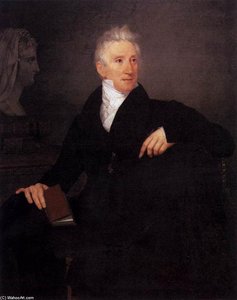
Ludovico Lipparini
1800 - 1856 , Italy
Quick Facts
- Artistic Movement Or Style: Romanticism
- Artists Or Movements Influenced By This Artist: ['Romanticism']
- Artists Who Influenced This Artist:
- Francesco Hayez
- Antonio Canova
- Date Of Birth: February 17, 1800
- Date Of Death: March 19, 1856
- Full Name: Ludovico Lipparini
- Nationality: Italian
- Notable Artworks:
- Doge Marino Faliero
- Oath of Horatii
- Place Of Birth: Bologna, Italy