

 Preview
 Send
Send Share
Share
 Details

 Download
 Similars
 X-Ray
X-Ray Diaporama
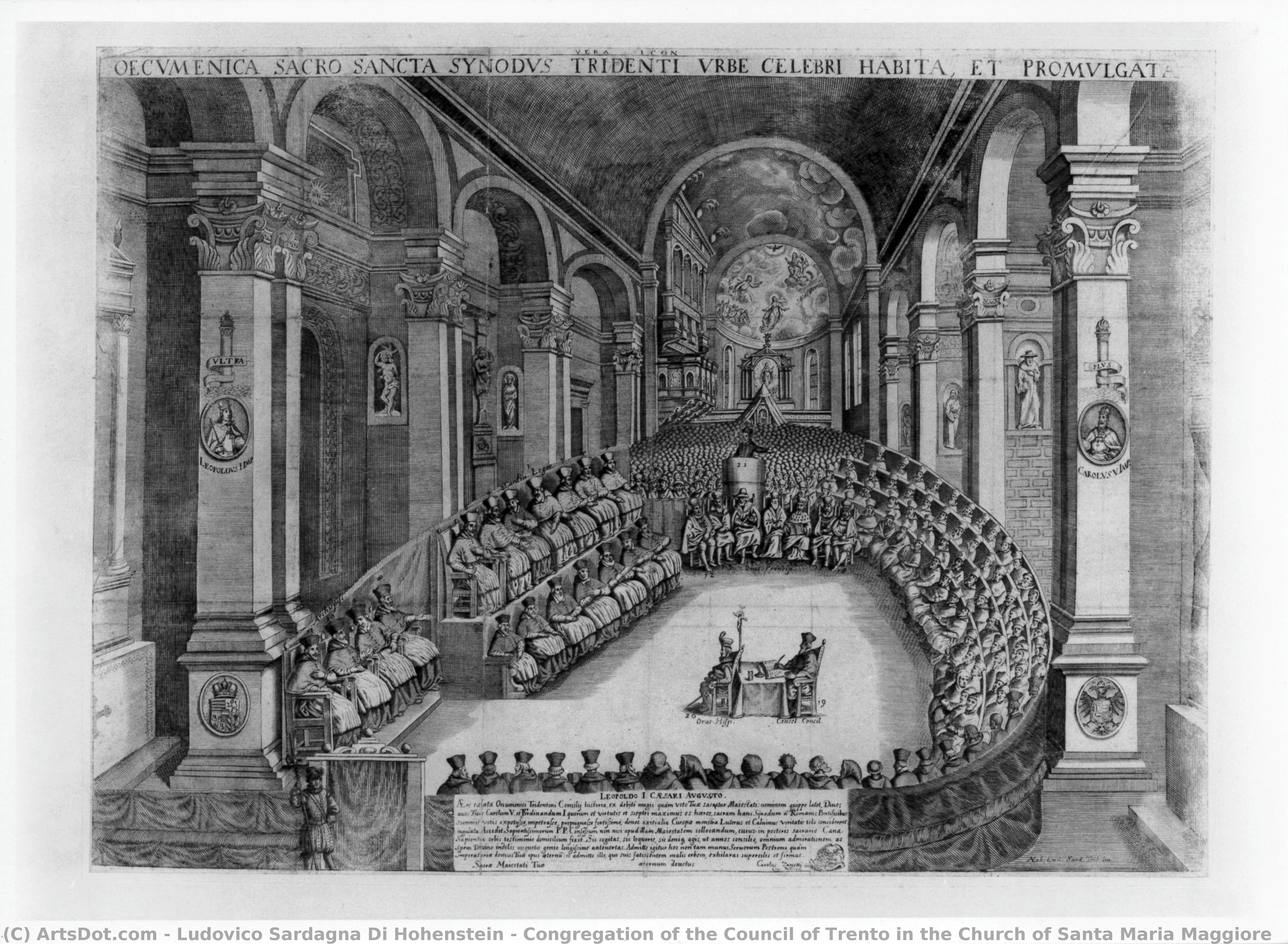
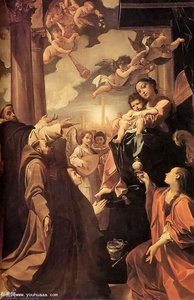
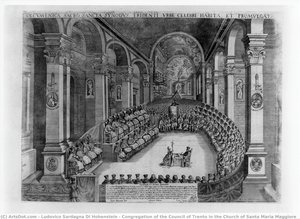
Congregation of the Council of Trento in the Church of Santa Maria Maggiore


 Read More
Purchase a high-resolution, enhanced digital image, far superior to the online preview.
Each file is meticulously prepared by our in-house specialists using advanced tools and expert manual retouching. We ensure every image has exceptional clarity, precise color accuracy, and fine detail.
The final file is delivered via email within 72 hours, optimized for immediate use in professional, editorial, and print environments. This is the same quality trusted by top-tier design studios, publishers, and galleries.
Digital Image
Download a high-resolution file for personal display, printing, and creative projects. ( Buy Print Buy Hand Made Painting)
Included in Every Digital Image Order
Expert Digital Delivery, Guaranteed
When you choose ArtsDot.com, you're not just getting an image - you're receiving a professionally enhanced digital artwork, crafted with precision and backed by a satisfaction guarantee. Here's everything that comes with your order, automatically:

Fast Email Delivery
Your high-resolution digital image file will be emailed to you within 72 hours of ordering - ready for immediate use.

AI-Enhanced Digital File
Your artwork is professionally optimized using advanced AI tools and manual editing, ensuring maximum detail, clarity, and color accuracy.

Free Lifetime Re-Delivery
Accidentally deleted or lost your file? No worries - we'll resend it to you anytime, free of charge.

No Import Fees - Ever
Enjoy your artwork instantly with zero customs, duties, or delivery fees - digital downloads are always tax-free.

Color Accuracy Guarantee
We ensure your digital image reflects the original colors as closely as possible using professional tools and color management.

100-Day Satisfaction Guarantee
If you're not satisfied with your digital image, we'll revise it or refund 100% within 100 days - no questions asked.

100% Money-Back Guarantee
Not satisfied? Get a full refund within 100 days of receiving your digital file - no questions asked.

Bulk Order Discounts
Buy 3 images, save 10% - Buy 5, save 15% - Buy 10+, save 20%. Great for creative projects, galleries, and agencies.
Related Artworks
Artist Biography
Ludovico Sardagna di Hohenstein: A Master of Venetian Religious Painting
Ludovico Sardagna di Hohenstein, a name perhaps less familiar than his contemporaries Veronese or Tintoretto, nevertheless stands as a significant figure in the vibrant artistic landscape of 17th-century Venice. Born around 1620 in Italy – the exact date remains shrouded in some uncertainty – Sardagna’s career unfolded during a period of immense religious fervor and artistic innovation within the Venetian Republic. His work, characterized by a meticulous attention to detail, dramatic lighting, and a profound understanding of Baroque aesthetics, offers a compelling glimpse into the spiritual and cultural currents of his time. While he didn't achieve the same level of widespread fame as some of his peers, Sardagna’s contributions to religious painting are deeply rooted in Venetian tradition and demonstrate a remarkable ability to capture both the grandeur and the emotional intensity of faith.
Sardagna’s early artistic training is somewhat elusive. Records suggest he likely apprenticed under established Venetian masters, absorbing the techniques and stylistic influences prevalent at the time. The impact of Veronese, particularly his mastery of color and composition, is readily apparent in Sardagna's later works. However, there’s also a distinct influence from the more dramatic and tenebrous style of Tintoretto, evident in the use of chiaroscuro – the skillful manipulation of light and shadow – to create a sense of drama and movement within his paintings. This dual influence shaped his unique artistic voice, blending Veronese's opulence with Tintoretto’s dynamism.
Key Works and Artistic Style
Sardagna’s oeuvre is relatively modest compared to the output of some Venetian masters, but several key works have survived, offering valuable insights into his artistic development. “The Council of Trent in the Church of Santa Maria Maggiore” (1658) stands as perhaps his most celebrated achievement. This monumental painting, commissioned for the prestigious Santa Maria Maggiore church, depicts a scene of immense historical and religious significance – the gathering of cardinals and bishops to address critical issues within the Catholic Church. The composition is meticulously planned, with figures arranged in a dynamic pyramid that draws the viewer’s eye towards the central figure of Pope Alexander VII. Sardagna's skill in rendering fabrics, textures, and facial expressions is particularly noteworthy, conveying both the authority of the church hierarchy and the palpable sense of urgency within the scene.
Beyond “The Council of Trent,” other notable works include depictions of saints, religious scenes, and portraits. His paintings frequently showcase a deep understanding of anatomy and drapery, hallmarks of Venetian art. Sardagna’s use of color is rich and vibrant, employing a palette that reflects the opulent tastes of the Venetian elite. He was particularly adept at creating a sense of depth and perspective, utilizing atmospheric effects to convey the vastness of churches and the grandeur of religious ceremonies. His works often feature elaborate costumes and richly decorated interiors, reflecting the wealth and power of the Catholic Church during the Baroque period.
Historical Context and Influences
Sardagna’s artistic career unfolded within a complex historical context. Venice in the 17th century was a thriving center of commerce, art, and religious patronage. The city's wealth, derived from its maritime trade, fueled an unprecedented demand for art, particularly religious paintings intended for churches and private collections. The Counter-Reformation, initiated by the Catholic Church to combat the spread of Protestantism, also profoundly influenced artistic production. Religious imagery became increasingly didactic, aiming to inspire piety and reinforce Catholic doctrine. Sardagna’s work reflects this trend, often depicting scenes from the Bible or the lives of saints in a manner that emphasized their moral virtues and spiritual significance.
Furthermore, the rise of scientific inquiry during the Renaissance had a subtle but significant impact on Venetian art. Artists like Veronese and Tintoretto were fascinated by optics and perspective, employing these principles to create more realistic and convincing depictions of space. Sardagna’s paintings demonstrate a similar awareness of spatial relationships, utilizing techniques such as linear perspective to create a sense of depth and realism.
Legacy and Recognition
Despite not achieving the same level of fame as some of his contemporaries, Ludovico Sardagna di Hohenstein remains an important figure in Venetian art history. His works are now housed in various museums and private collections around the world, including the Pinacoteca di Brera in Milan and the Galleria dell’Accademia in Venice. His “Council of Trent” continues to be studied for its masterful composition and dramatic use of light and shadow. Research into Sardagna's life and work is ongoing, shedding new light on his artistic development and contributions to the rich tapestry of Venetian painting. His legacy lies not only in his individual works but also in his embodiment of the spirit of the Baroque era – a time of intense religious fervor, artistic innovation, and unparalleled cultural dynamism.
Quick Facts
- Artistic Movement Or Style: 17th Century Italian Art
- Artists Or Movements Influenced By This Artist:
- Veronese
- Tintoretto
- Full Name: Ludovico Sardagna di Hohenstein
- Nationality: Italian
- Notable Artworks:
- Two Courtiers
- Council of Trent
- Place Of Birth: Italy