

 Preview
 Send
Send Share
Share
 Details

 Download
 Similars
 X-Ray
X-Ray Diaporama
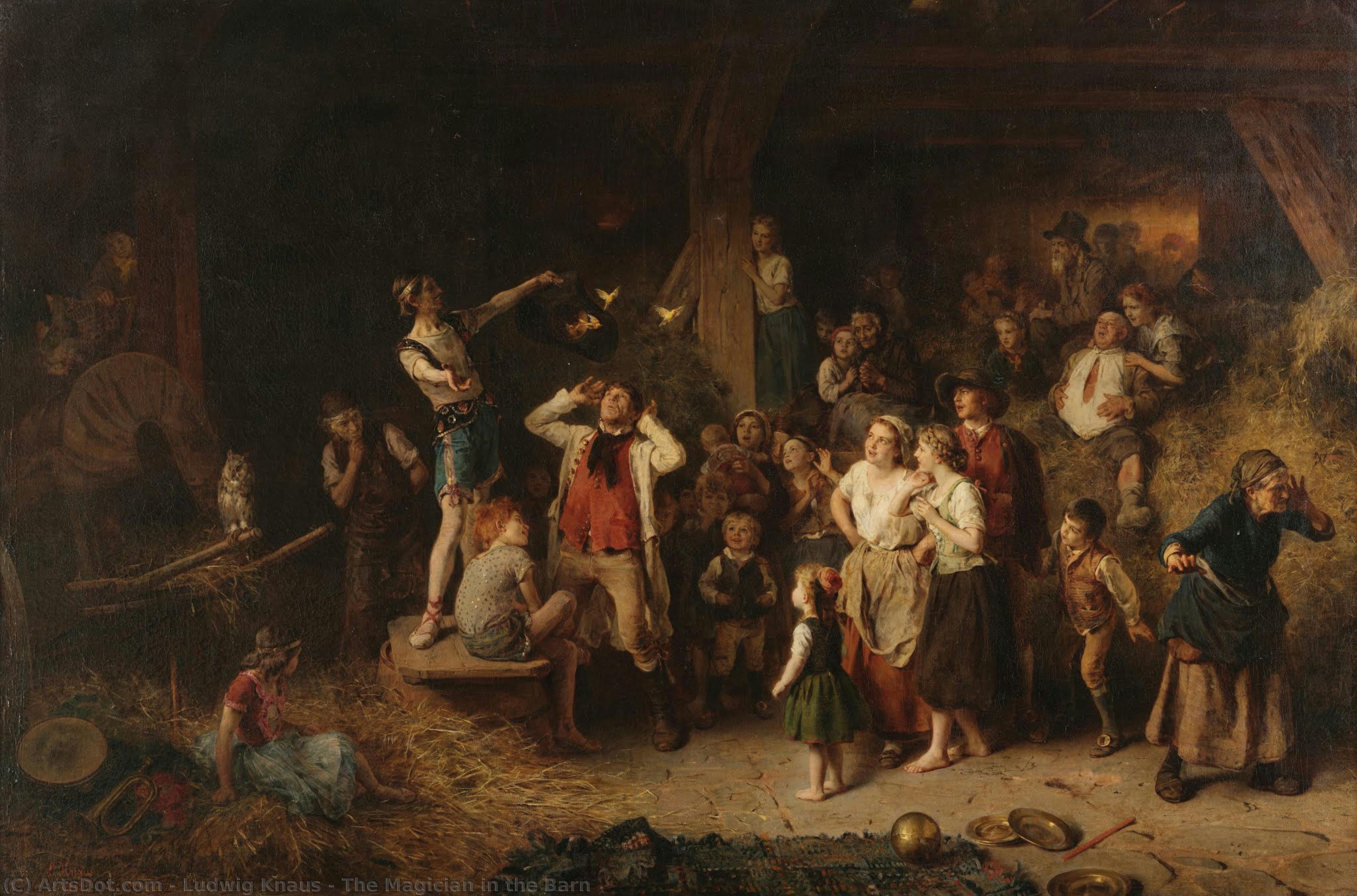
The Magician in the Barn


 Read More
Purchase a high-resolution, enhanced digital image, far superior to the online preview.
Each file is meticulously prepared by our in-house specialists using advanced tools and expert manual retouching. We ensure every image has exceptional clarity, precise color accuracy, and fine detail.
The final file is delivered via email within 72 hours, optimized for immediate use in professional, editorial, and print environments. This is the same quality trusted by top-tier design studios, publishers, and galleries.
Digital Image
Download a high-resolution file for personal display, printing, and creative projects. ( Buy Print Buy Hand Made Painting)
Included in Every Digital Image Order
Expert Digital Delivery, Guaranteed
When you choose ArtsDot.com, you're not just getting an image - you're receiving a professionally enhanced digital artwork, crafted with precision and backed by a satisfaction guarantee. Here's everything that comes with your order, automatically:

Fast Email Delivery
Your high-resolution digital image file will be emailed to you within 72 hours of ordering - ready for immediate use.

AI-Enhanced Digital File
Your artwork is professionally optimized using advanced AI tools and manual editing, ensuring maximum detail, clarity, and color accuracy.

Free Lifetime Re-Delivery
Accidentally deleted or lost your file? No worries - we'll resend it to you anytime, free of charge.

No Import Fees - Ever
Enjoy your artwork instantly with zero customs, duties, or delivery fees - digital downloads are always tax-free.

Color Accuracy Guarantee
We ensure your digital image reflects the original colors as closely as possible using professional tools and color management.

60-Day Satisfaction Guarantee
If you're not satisfied with your digital image, we'll revise it or refund 100% within 60 days - no questions asked.

100% Money-Back Guarantee
Not satisfied? Get a full refund within 60 days of receiving your digital file - no questions asked.

Bulk Order Discounts
Buy 3 images, save 10% - Buy 5, save 15% - Buy 10+, save 20%. Great for creative projects, galleries, and agencies.
Collectible Description
A Gathering of Wonder: The Magic Within the Barn
In the heart of a rustic, dimly lit barn, Ludwig Knaus captures a moment of profound communal enchantment in his 1862 masterpiece, The Magician in the Barn. This large-scale oil on canvas serves as a window into a bygone era of storytelling and shared wonder. The scene is far from a solitary performance; instead, it is a vibrant tapestry of human connection, where at least fourteen individuals are woven into a single, breathless moment. As eyes drift across the composition, one encounters a diverse assembly of figures—some kneeling in anticipation, others standing in hushed reverence—all drawn toward the central mystery unfolding within the timbered walls. The atmosphere is thick with the palpable energy of a social gathering, where the boundaries between the mundane and the miraculous seem to blur under the soft, ambient light of the countryside.
Knaus, a distinguished practitioner of the Düsseldorf School, utilizes his mastery of genre painting to elevate a simple rural setting into a stage for high drama. His technique is characterized by an exquisite attention to detail that invites the viewer to linger on every corner of the canvas. One might notice the humble placement of a bowl upon the earthen floor or the delicate silhouette of a cup resting near the periphery, objects that ground the supernatural event in a tangible, earthy reality. Even the presence of two small birds—one perched high in the rafters and another tucked near the bottom edge—adds a layer of naturalistic charm, suggesting that even nature itself has paused to witness the magician's feat. The artist’s ability to manipulate light and shadow creates a sense of depth that pulls the observer into the very center of the crowd.
Beyond its visual splendor, the painting resonates with deep symbolic and emotional layers, making it a profound choice for collectors and designers alike. The gathering represents the universal human desire for escapism and the shared joy found in communal myth-making. There is a nostalgic warmth in Knaus's depiction of the peasantry, an idyllic portrayal that celebrates the dignity of simple lives interrupted by moments of awe. For an interior space, a high-quality reproduction of this work offers more than mere decoration; it introduces a narrative anchor. The rich textures of the oil paint and the complex interplay of figures provide a sophisticated focal point that can inspire conversation and evoke a sense of historical grandeur. Whether placed in a grand library or a cozy, curated living area, The Magician in the Barn brings with it an enduring spirit of mystery and the timeless magic of human togetherness.
Related Artworks



Artist Biography
Sir John Everett Millais: A Pre-Raphaelite Pioneer of Light and Life
Born in Southampton in 1829, Sir John Everett Millais was a figure of remarkable early promise, destined to become one of the most celebrated artists of his generation. His childhood was marked by an unusual education—he entered the Royal Academy Schools at just eleven years old, a testament to his prodigious talent and the unwavering support of his family. This early immersion in artistic training laid the foundation for a career that would profoundly influence the Pre-Raphaelite Brotherhood and reshape perceptions of landscape and narrative painting.
Millais’s formative years were deeply intertwined with the burgeoning artistic circles of London. He initially found kinship with William Holman Hunt and Dante Gabriel Rossetti, forging a close bond that culminated in the founding of the Pre-Raphaelite Brotherhood in 1848. This revolutionary group sought to reject the academic conventions of the Royal Academy and return to the perceived purity and sincerity of art before Raphael. Rejecting idealized forms and artificial colors, the Pre-Raphaelites embraced vibrant palettes, meticulous detail, and a fascination with medieval legends, folklore, and contemporary life.
Early works like *Pizarro Seizing the Inca of Peru* (1849) showcased Millais’s technical skill and his commitment to the Brotherhood's aesthetic principles. However, it was *Ophelia* (1850-51), arguably his most iconic painting, that truly cemented his reputation—and sparked considerable controversy. This depiction of Shakespeare’s tragic heroine floating in a river, rendered with astonishing realism and luminous detail, challenged conventional notions of beauty and mortality. The painting's unsettling portrayal of Ophelia’s death, coupled with its unconventional use of color and light, provoked outrage from critics who deemed it morbid and vulgar. Despite the initial backlash, *Ophelia* became an instant sensation, establishing Millais as a leading figure within the Pre-Raphaelite movement.
The Christ in the House of His Parents: A Masterpiece of Naturalism
Following the controversy surrounding *Ophelia*, Millais embarked on a period of intense experimentation and artistic development. His 1851-52 painting, *Christ in the House of His Parents* (also known as *The Carpenter’s Shop*), represents a pivotal moment in his career. This monumental work, commissioned by Dean Stanley for St Mary's Church, Warwick, demonstrated Millais’s mastery of naturalism and his ability to capture the essence of everyday life with unparalleled accuracy. The painting depicts Christ as a young boy assisting his carpenter father, bathed in the warm light of a winter afternoon. Unlike the idealized depictions prevalent at the time, *Christ in the House of His Parents* presented a humble, relatable image of the divine—a testament to Millais’s commitment to portraying reality with honesty and immediacy.
Transitioning Beyond Pre-Raphaelitism: A Shift Towards Realism
As the 1850s progressed, Millais began to move away from the strict tenets of the Pre-Raphaelite Brotherhood. While retaining a fascination with nature and narrative, he increasingly sought to capture the fleeting effects of light and atmosphere—a technique influenced by the burgeoning Impressionist movement. His paintings of children, such as *Bubbles* (1886) and *Stella* (1868), exemplify this shift towards realism, capturing the innocence and vitality of youth with remarkable sensitivity. These works, often commissioned for magazines like *Once a Week*, brought him widespread popularity and commercial success.
Later Years and Legacy
Millais’s later years were marked by continued artistic productivity and recognition. He became an Associate of the Royal Academy in 1853 and a full member in 1863, solidifying his position as one of Britain's most respected artists. In 1885, he was created a baronet, further elevating his status. Millais’s influence extended beyond his own paintings; he served as President of the Royal Academy from 1896 until his death in London in 1896. His legacy endures through his stunning landscapes, evocative portraits, and his pioneering role in shaping the course of British art. He remains a key figure in understanding the transition between Romanticism and Modernism, and his work continues to captivate audiences with its beauty, detail, and profound emotional resonance.
Millais’s personal life also played a significant role in his artistic development. His marriage to Effie Chalmers, formerly married to critic John Ruskin, was a complex and often turbulent affair. The annulment of their union fueled speculation about its impact on Millais's artistic style, though the extent of this influence remains debated by art historians.
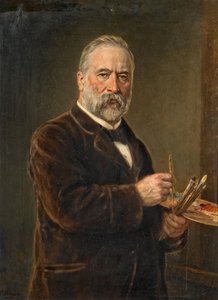
ludwig knaus
1829 - 1910 , Germany
Quick Facts
- Artistic Movement Or Style: Pre-Raphaelite Brotherhood
- Artists Or Movements Influenced By This Artist:
- William Morris
- Modernism
- Artists Who Influenced This Artist:
- William Holman Hunt
- Dante Gabriel Rossetti
- Date Of Birth: June 8, 1829
- Date Of Death: August 13, 1896
- Full Name: Sir John Everett Millais, Bt
- Nationality: English
- Notable Artworks:
- Ophelia
- Christ in the House of His Parents
- Bubbles
- Place Of Birth: Southampton, England

