

 Preview
 Send
Send Share
Share
 Details

 Download
 Similars
 X-Ray
X-Ray Diaporama
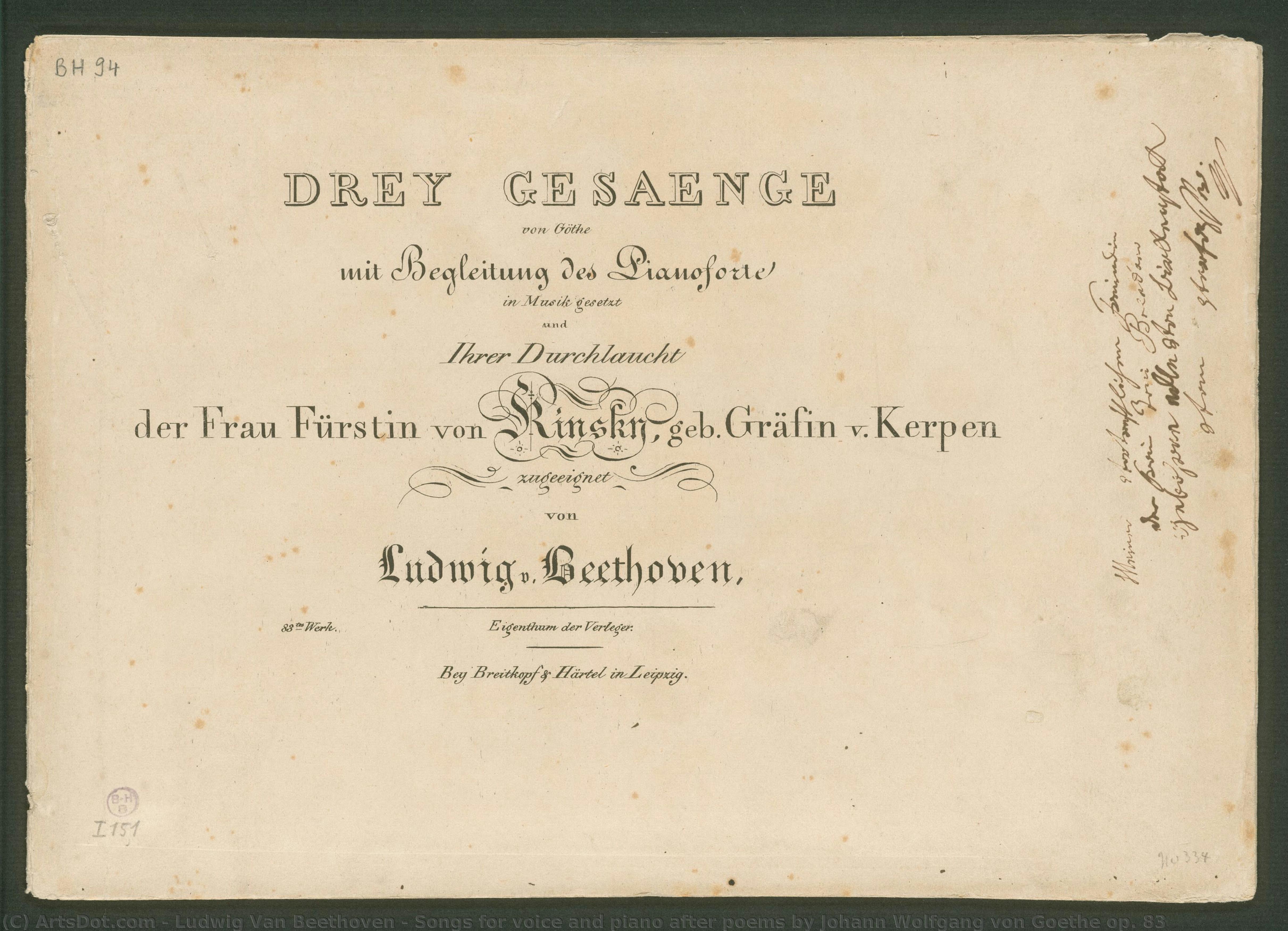
Songs for voice and piano after poems by Johann Wolfgang von Goethe op. 83


 Read More
Purchase a high-resolution, enhanced digital image, far superior to the online preview.
Each file is meticulously prepared by our in-house specialists using advanced tools and expert manual retouching. We ensure every image has exceptional clarity, precise color accuracy, and fine detail.
The final file is delivered via email within 72 hours, optimized for immediate use in professional, editorial, and print environments. This is the same quality trusted by top-tier design studios, publishers, and galleries.
Digital Image
Download a high-resolution file for personal display, printing, and creative projects. ( Buy Print Buy Hand Made Painting)
Included in Every Digital Image Order
Expert Digital Delivery, Guaranteed
When you choose ArtsDot.com, you're not just getting an image - you're receiving a professionally enhanced digital artwork, crafted with precision and backed by a satisfaction guarantee. Here's everything that comes with your order, automatically:

Fast Email Delivery
Your high-resolution digital image file will be emailed to you within 72 hours of ordering - ready for immediate use.

AI-Enhanced Digital File
Your artwork is professionally optimized using advanced AI tools and manual editing, ensuring maximum detail, clarity, and color accuracy.

Free Lifetime Re-Delivery
Accidentally deleted or lost your file? No worries - we'll resend it to you anytime, free of charge.

No Import Fees - Ever
Enjoy your artwork instantly with zero customs, duties, or delivery fees - digital downloads are always tax-free.

Color Accuracy Guarantee
We ensure your digital image reflects the original colors as closely as possible using professional tools and color management.

60-Day Satisfaction Guarantee
If you're not satisfied with your digital image, we'll revise it or refund 100% within 60 days - no questions asked.

100% Money-Back Guarantee
Not satisfied? Get a full refund within 60 days of receiving your digital file - no questions asked.

Bulk Order Discounts
Buy 3 images, save 10% - Buy 5, save 15% - Buy 10+, save 20%. Great for creative projects, galleries, and agencies.
Beethoven's Echoes of Goethe: A Symphony in Monochrome
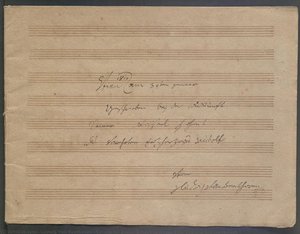
The artwork described is Ludwig Van Beethoven’s “Songs for voice and piano after poems by Johann Wolfgang von Goethe op. 83,” a lithograph commemorating his masterful adaptation of Goethe’s poetic vision into musical form. Created in 1811, this piece stands as a testament to the profound connection between literature and music—a dialogue that continues to resonate across centuries. It resides within the Beethoven-Haus Bonn, Germany, safeguarding its legacy for future generations of art enthusiasts.- Subject Matter: Goethe’s poems served as inspiration for Beethoven's musical compositions, exploring themes of longing, melancholy, and contemplation—subjects deeply rooted in the human experience. The lithograph captures a moment frozen in time, reflecting the artist’s dedication to translating literary ideas into sonic landscapes.
- Style: Beethoven’s style embodies Romanticism, prioritizing emotional expression over strict formal conventions. This lithograph exemplifies this aesthetic through its understated elegance and careful attention to detail—a deliberate choice that underscores the importance of conveying feeling rather than merely presenting visual information.
Technique & Material Considerations
The lithograph itself is a remarkable feat of printmaking. Beethoven’s studio employed a technique known as mezzotint, utilizing hardened copper plates etched with grooves to create tonal variations—a method favored for its ability to produce nuanced shades of gray and black. This meticulous process ensured that every subtle nuance of Goethe's poetry was faithfully reproduced on paper, resulting in an image imbued with depth and atmosphere.- Color Palette: Despite the monochrome aesthetic, Beethoven’s lithograph skillfully utilizes tonal gradations to evoke emotion. The artist carefully considered how light and shadow would interact to convey feelings of sadness and introspection—a technique characteristic of Romantic art.
- Composition: The composition is deliberately simple yet impactful, focusing on conveying a sense of quiet contemplation. Beethoven’s artistic vision prioritized clarity and emotional resonance above elaborate ornamentation, reflecting the spirit of his era.
Historical Context & Goethe's Influence
Johann Wolfgang von Goethe (1749-1832) was arguably Germany’s most celebrated poet during the Romantic period. His works explored universal themes of love, loss, and morality—subjects that captivated audiences across Europe. Beethoven recognized Goethe’s profound influence on his artistic sensibilities, translating his poetic explorations into musical masterpieces. Goethe's poems tackled complex emotions – grief, yearning for beauty, and the contemplation of mortality – mirroring the anxieties and aspirations of a generation grappling with societal change. Beethoven skillfully captured these sentiments through music, creating works that continue to inspire listeners today.Emotional Impact & Artistic Legacy
“Songs for voice and piano after poems by Johann Wolfgang von Goethe op. 83” transcends mere visual representation; it embodies the very essence of Romantic artistic expression. The lithograph’s subdued tones invite viewers into a realm of introspection—encouraging contemplation on themes of beauty, sorrow, and human connection. Beethoven's enduring legacy lies in his ability to transform literary ideas into emotionally resonant music—a testament to the transformative power of art itself.Related Artworks
Artist Biography
early life and musical beginnings
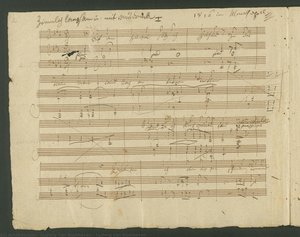
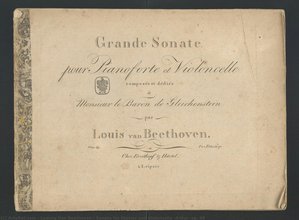
ludwig van beethoven, a renowned german composer and pianist, was born in bonn, germany, in 1770. displaying his musical talent at a young age, he began studying music under various teachers before moving to vienna, where he would spend most of his life.- sonata for piano and violoncello (a major) op. 69, 1st movement (available at ArtsDot.com)
- beethoven's manuscript of the missa solemnis (viewable at wikipedia)
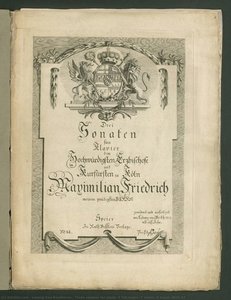
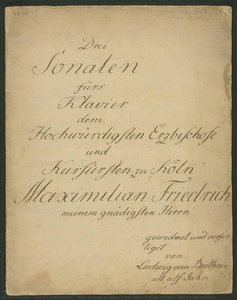
- three opus 1 piano sonatas, patronized by karl alois, prince lichnowsky
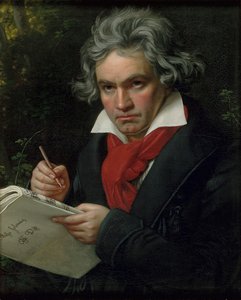
ludwig van beethoven
1770 - 1827 , Germany
Quick Facts
- Artistic Movement Or Style: Classical Romantic
- Artists Or Movements Influenced By This Artist:
- Johannes Brahms
- Robert Schumann
- Artists Who Influenced This Artist:
- Franz Joseph Haydn
- Christian Gottlob Schulze
- Date Of Birth: 1770 Bonn Germany
- Date Of Death: 1827 Vienna Austria
- Full Name: Ludwig van Beethoven
- Nationality: German
- Notable Artworks:
- Moonlight Sonata
- Symphony No 9
- Place Of Birth: Bonn Germany

