 Preview
 Send
Send Share
Share
 Details

 Download
 Similars
 X-Ray
X-Ray Diaporama
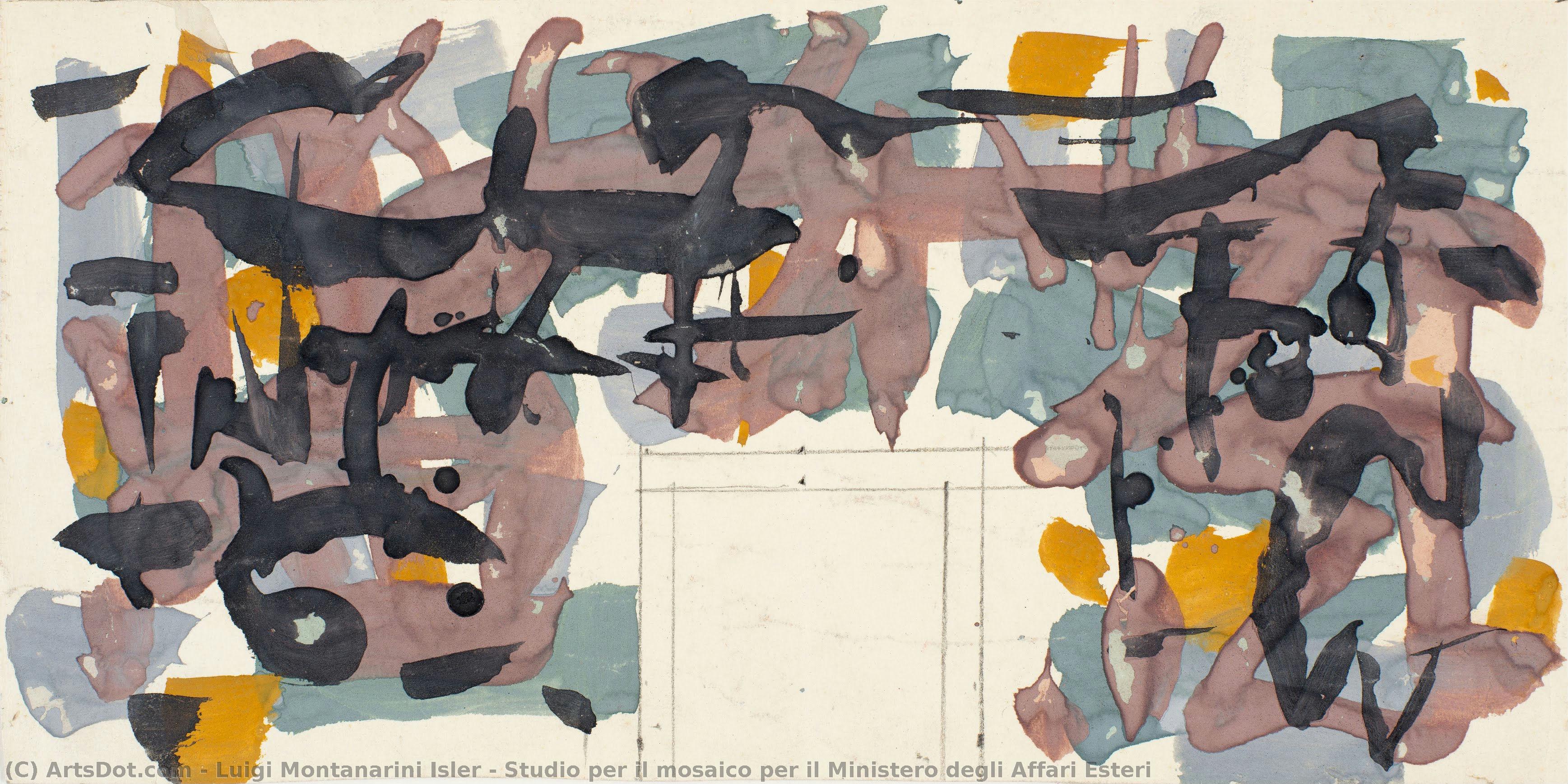
Studio per il mosaico per il Ministero degli Affari Esteri
 13.0 x 28.0 cm
 Ministero degli Affari Esteri e della Cooperazione Internazionale. Collezione Farnesina
 Read More
Hand Made Oil Reproduction
Hand-painted oil on canvas in your size and frame, made to order by our artists. ( Buy Print Buy Image)




































Pick from our preset sizes that match the artwork's original proportions.

You may enter your own dimensions to fit a specific frame or space. If your selected size does not match the original image's proportions, we will either crop the artwork or extend the painting with additional hand-painted elements. A digital mockup will be sent for your approval before production begins.
Please note that the on-screen preview does not reflect the actual cropping or extension. Only the mockup will accurately show the final composition.
While custom sizes are available, we recommend selecting a dimension from the predefined list to preserve the original proportions.
After order, ArtsDot.com team will email client for instructions and provide a mockup preview
Worldwide Delivery () in 3/4 weeks instead of standard 5 weeks. (26 August). No compromise on quality.

Free Worldwide Express Shipping

High-Quality Linen Canvas

Full Shipping Insurance

Customs Tax Refund Guarantee

True Color Matching Guarantee

60-Day Return Policy (Defects Only)

100% Money-Back Guarantee

Bulk Discount Offer
 Glass option is only available in size under 110 CM

Studio per il mosaico per il Ministero degli Affari Esteri
Reproduction Medium
Reproduction Size
-


Total Price
$ 263
Related Artworks








Artist Biography
Paul Cézanne: Bridging the Gap Between Impressionism and Modernity
Born in Aix-en-Provence, France, on January 19, 1839, Paul Cézanne was a pivotal figure in the transition from late 19th-century Impressionism to the burgeoning movements of early 20th-century modern art. While initially influenced by the vibrant colors and fleeting moments captured by his Impressionist predecessors, Cézanne relentlessly pushed beyond these techniques, developing a unique visual language that profoundly impacted artists like Picasso, Matisse, and Braque – laying the groundwork for Cubism and countless subsequent artistic explorations.
Cézanne’s early life was marked by a comfortable upbringing within a family of modest means. His father, Albert Cézanne, was a banker, and his mother, Antoinette Honnorat, instilled in him a deep appreciation for the natural world. He received a solid education, studying at the École des Beaux-Arts in Paris, where he encountered the works of artists like Delacroix and Courbet. However, it was his time spent observing the landscapes around Aix – particularly Mont Sainte-Victoire, which became an obsessive subject throughout his career – that truly shaped his artistic vision. This repeated engagement with a single motif wasn’t simply about repetition; it was a deliberate process of dissecting form, analyzing its underlying structure, and rebuilding it on canvas in a way that captured not just the appearance but also the essence of the subject.
- Early Influences: Cézanne's early work shows clear traces of Impressionism, particularly in his use of color and light. He initially painted scenes of Parisian life and landscapes, often capturing the effects of sunlight and atmosphere.
- Breaking with Tradition: As he matured, Cézanne began to reject the conventions of academic art, moving away from traditional perspective and realistic representation. He experimented with flattened planes of color, simplified forms, and a more sculptural approach to painting.
- Mont Sainte-Victoire: The mountain became a central focus in his work, appearing in hundreds of paintings over several decades. Each iteration offered a new interpretation, revealing the complexities of its form and the artist’s evolving understanding of space and perspective.
The Language of Form and Color
Cézanne's revolutionary approach wasn't simply about rejecting established rules; it was about establishing *new* ones. He meticulously studied the geometry underlying objects, reducing them to their essential forms – cylinders, cones, spheres – and then rebuilding them on canvas using broken brushstrokes of pure color. This technique, often described as “multiple viewpoints,” allowed him to capture not just a single perspective but also the simultaneous presence of multiple perspectives within a single image.
His use of color was equally innovative. He moved away from the bright, saturated hues of Impressionism towards more muted and earthy tones, employing complementary colors to create visual tension and depth. He often applied paint in thick, impasto layers, adding texture and physicality to his canvases. This tactile quality further emphasized the sculptural nature of his work.
- Emphasis on Structure: Cézanne sought to depict not just what he *saw* but also what he *knew* about the objects before him – their underlying structure, their weight, and their spatial relationships.
- Broken Brushstrokes: He employed a technique of “broken brushstrokes,” applying small dabs of color side-by-side rather than blending them together. This created a sense of movement and vibration within the painting’s surface.
- Color Theory: Cézanne was deeply interested in color theory, experimenting with complementary colors to create visual harmony and contrast.
A Legacy of Innovation
Cézanne's influence on subsequent generations of artists is undeniable. His exploration of form, color, and perspective paved the way for Cubism, which sought to break down objects into geometric shapes and represent them from multiple viewpoints simultaneously. Artists like Picasso and Braque directly studied Cézanne’s work, adapting his techniques to create their own revolutionary styles.
Beyond its direct impact on Cubism, Cézanne's emphasis on the fundamental elements of art – form, color, and line – continues to resonate with artists today. He demonstrated that painting could be more than just a representation of reality; it could be an exploration of perception, structure, and the very nature of seeing.
Cézanne died in Aix-en-Provence on October 22, 1906, leaving behind a remarkably small but profoundly influential body of work. His paintings, initially met with mixed reactions, are now recognized as masterpieces that fundamentally changed the course of art history. His dedication to rigorous observation and his relentless pursuit of new artistic possibilities cemented his place as one of the most important artists of the modern era.
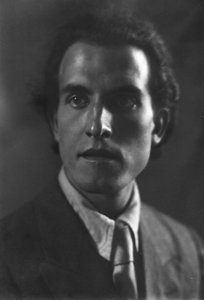
luigi montanarini isler
1906 - 1998 , Italy
Quick Facts
- Artistic Movement Or Style: Post-Impressionism
- Artists Or Movements Influenced By This Artist: ['Cubism']
- Artists Who Influenced This Artist:
- Impressionism
- Romanticism
- Date Of Birth: 19 January 1839
- Date Of Death: 22 October 1906
- Full Name: Paul Cézanne
- Nationality: French
- Notable Artworks:
- The Card Players
- The Bathers
- Mont Sainte-Victoire
- Place Of Birth: Paris, France