 Preview
 Send
Send Share
Share
 Details

 Download
 Similars
 X-Ray
X-Ray Diaporama
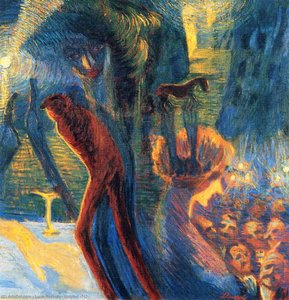
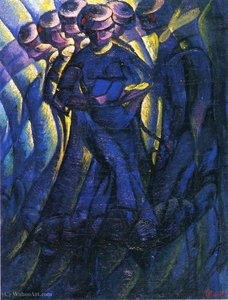
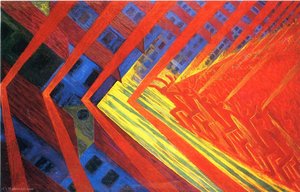
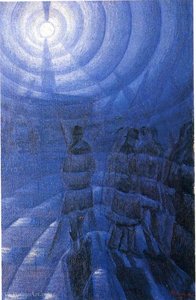
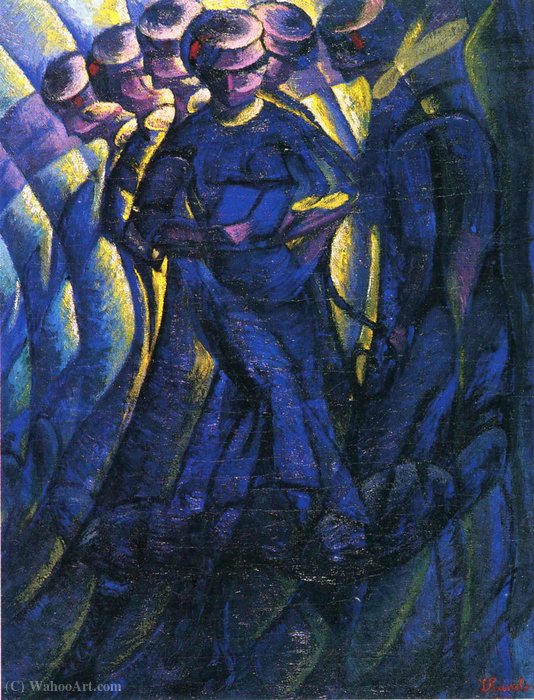
Untitled (404)
 Read More
Hand Made Oil Reproduction
Hand-painted oil on canvas in your size and frame, made to order by our artists. ( Buy Print Buy Image)




































Pick from our preset sizes that match the artwork's original proportions.

You may enter your own dimensions to fit a specific frame or space. If your selected size does not match the original image's proportions, we will either crop the artwork or extend the painting with additional hand-painted elements. A digital mockup will be sent for your approval before production begins.
Please note that the on-screen preview does not reflect the actual cropping or extension. Only the mockup will accurately show the final composition.
While custom sizes are available, we recommend selecting a dimension from the predefined list to preserve the original proportions.
After order, ArtsDot.com team will email client for instructions and provide a mockup preview
Worldwide Delivery () in 3/4 weeks instead of standard 5 weeks. (17 August). No compromise on quality.

Free Worldwide Express Shipping

High-Quality Linen Canvas

Full Shipping Insurance

Customs Tax Refund Guarantee

True Color Matching Guarantee

60-Day Return Policy (Defects Only)

100% Money-Back Guarantee

Bulk Discount Offer
 Glass option is only available in size under 110 CM

Untitled (404)
Reproduction Medium
Reproduction Size
-


Total Price
$ 263
Related Artworks
Artist Biography
Robert Delaunay: A Pioneer of Color and Rhythm
Born in Paris on April 12, 1885, Robert Delaunay’s artistic journey was one of radical experimentation and a profound embrace of color as the primary language of art. Initially apprenticed to a theatrical designer – a formative experience that instilled an appreciation for visual harmony and dynamic composition – he quickly gravitated towards painting, absorbing influences from Neo-Impressionism, Cubism, and the burgeoning movements of the early 20th century. His early works, often depicting scenes of Saint-Séverin church in Paris, demonstrated a nascent interest in capturing light and atmosphere through meticulously applied dots of color, echoing the techniques of artists like Seurat and Signac.
However, Delaunay’s artistic trajectory took a decisive turn with his marriage to Sonia Terk (later Delaunay) in 1910. This union marked the genesis of Orphism – a movement they spearheaded that sought to liberate color from its representational function and explore its purely expressive potential. Rejecting the fragmented forms of Cubism, Delaunay and Sonia developed a system based on radiating circles, dynamic rhythms, and intense, often clashing hues. They believed that color itself could evoke emotion and create a sense of movement, independent of depicting recognizable objects. This philosophy led to canvases saturated with vibrant reds, yellows, blues, and greens, arranged in complex patterns designed to stimulate the viewer’s senses.
Influenced by the work of Paul Cézanne, Delaunay began to incorporate geometric forms into his compositions, particularly circles and discs, which he treated as independent entities. He moved away from traditional perspective, instead creating a sense of spatial depth through overlapping colors and rhythmic arrangements. His paintings became increasingly abstract, yet retained a powerful dynamism and emotional intensity. The 1930s saw Delaunay experimenting with large-scale panels and reliefs, often incorporating industrial materials like metal and glass to further enhance the tactile quality of his work. These monumental pieces, created in collaboration with assistants, showcased his mastery of color orchestration and his exploration of new artistic possibilities.
The Bloomsbury Circle and Artistic Exchange
Delaunay’s artistic development was inextricably linked to the vibrant intellectual and artistic circles of Paris, particularly the Bloomsbury Group. While not a formal member, he maintained close relationships with figures like Roger Fry, Vanessa Bell, and Duncan Grant – all key players in this influential group of artists, writers, and thinkers. These connections exposed Delaunay to new ideas and perspectives, fostering an environment of experimentation and innovation. The influence of the Bloomsbury Group’s emphasis on aesthetic experience and the rejection of traditional artistic conventions profoundly shaped Delaunay's approach to color and composition.
His association with Roger Fry was particularly significant. Fry championed Delaunay’s work at a time when it was largely overlooked by the established art world, introducing him to a wider audience and contributing significantly to his recognition as a leading figure in modern art. The exchange of ideas within the Bloomsbury circle fueled Delaunay's exploration of abstraction and his commitment to pushing the boundaries of artistic expression.
Orphism: A Revolutionary Approach to Color
At the heart of Delaunay’s artistic legacy lies Orphism, a movement he co-founded with Sonia. More than simply an aesthetic style, Orphism represented a radical shift in how color was perceived and utilized within art. It moved beyond mere representation, seeking instead to evoke emotions and sensations directly through the manipulation of hues and their relationships. Delaunay’s approach involved layering colors, creating rhythmic patterns, and employing contrasting tones to generate visual excitement and dynamism.
Key characteristics of Orphism include the use of pure, unmixed colors; a rejection of traditional perspective; and an emphasis on the interplay between color and form. The movement's name, "Orphism," was coined by Apollinaire, referencing the Greek god of music – Orpheus – who used his art to evoke powerful emotions. Delaunay’s paintings are not merely depictions of objects but rather expressions of a vibrant inner world, conveyed through the language of color and rhythm.
Later Years and Legacy
Despite facing financial difficulties during World War I and later experiencing declining health, Robert Delaunay continued to paint until his death in Montpellier on October 25, 1941. His work remained largely unrecognized during his lifetime, but after his death, it gained increasing acclaim as a pivotal contribution to the development of abstract art.
Delaunay’s influence extends far beyond his own paintings. He paved the way for later movements such as Abstract Expressionism and Color Field painting, demonstrating the transformative power of color as an independent artistic element. His innovative approach to composition, his bold use of color, and his unwavering commitment to experimentation continue to inspire artists today. The Tate Gallery holds a significant collection of Delaunay’s work, ensuring that this pioneering artist's legacy will endure for generations to come.
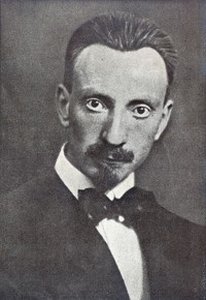
luigi russolo
1885 - 1947
Quick Facts
- Artistic Movement Or Style: Orphism, Cubism
- Artists Or Movements Influenced By This Artist:
- Sonia Delaunay
- Simultanism
- Artists Who Influenced This Artist:
- Cézanne
- Matisse
- Date Of Birth: 1885-04-12
- Date Of Death: 1941-10-25
- Full Name: Robert Delaunay
- Nationality: French
- Notable Artworks:
- Endless Rhythm
- The Eiffel Tower
- Disc
- Place Of Birth: Paris, France