

 Preview
 Send
Send Share
Share
 Details

 Download
 Similars
 X-Ray
X-Ray Diaporama
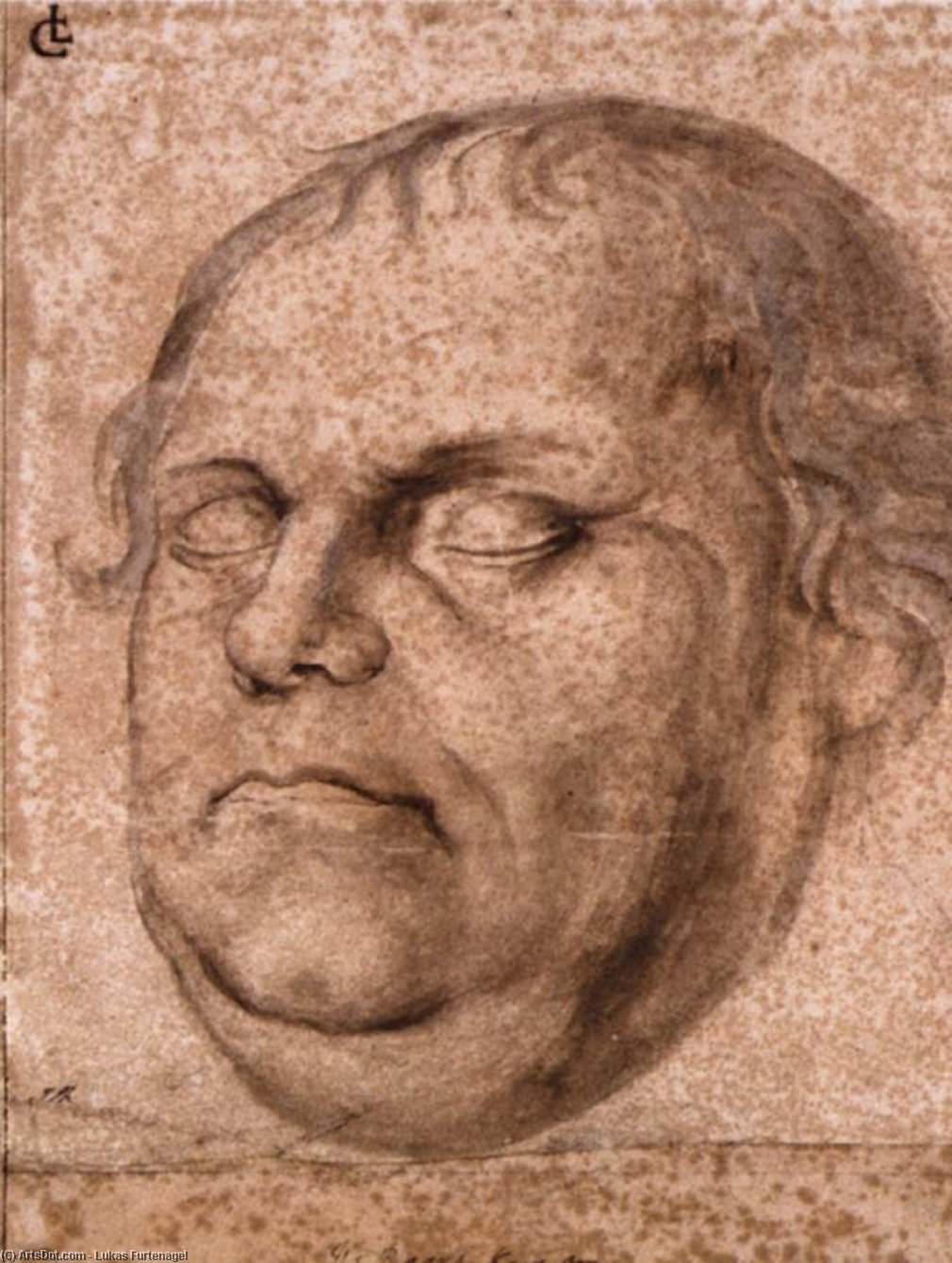
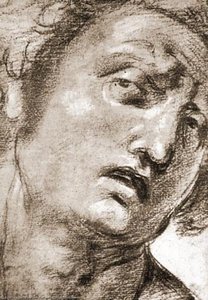
Portrait Sketch of the Dead Martin Luther


 Read More
Purchase a high-resolution, enhanced digital image, far superior to the online preview.
Each file is meticulously prepared by our in-house specialists using advanced tools and expert manual retouching. We ensure every image has exceptional clarity, precise color accuracy, and fine detail.
The final file is delivered via email within 72 hours, optimized for immediate use in professional, editorial, and print environments. This is the same quality trusted by top-tier design studios, publishers, and galleries.
Digital Image
Download a high-resolution file for personal display, printing, and creative projects. ( Buy Print Buy Hand Made Painting)
Included in Every Digital Image Order
Expert Digital Delivery, Guaranteed
When you choose ArtsDot.com, you're not just getting an image - you're receiving a professionally enhanced digital artwork, crafted with precision and backed by a satisfaction guarantee. Here's everything that comes with your order, automatically:

Fast Email Delivery
Your high-resolution digital image file will be emailed to you within 72 hours of ordering - ready for immediate use.

AI-Enhanced Digital File
Your artwork is professionally optimized using advanced AI tools and manual editing, ensuring maximum detail, clarity, and color accuracy.

Free Lifetime Re-Delivery
Accidentally deleted or lost your file? No worries - we'll resend it to you anytime, free of charge.

No Import Fees - Ever
Enjoy your artwork instantly with zero customs, duties, or delivery fees - digital downloads are always tax-free.

Color Accuracy Guarantee
We ensure your digital image reflects the original colors as closely as possible using professional tools and color management.

60-Day Satisfaction Guarantee
If you're not satisfied with your digital image, we'll revise it or refund 100% within 60 days - no questions asked.

100% Money-Back Guarantee
Not satisfied? Get a full refund within 60 days of receiving your digital file - no questions asked.

Bulk Order Discounts
Buy 3 images, save 10% - Buy 5, save 15% - Buy 10+, save 20%. Great for creative projects, galleries, and agencies.
Portrait Sketch of the Dead Martin Luther
Lukas Furtenagel’s “Portrait Sketch of the Dead Martin Luther” stands as a haunting testament to both artistic skill and the profound anxieties of its time—a pivotal moment in the High Renaissance unfolding within Augsburg, Germany. Executed in 1546 shortly after Luther's passing, this drawing transcends mere representation; it embodies a masterful distillation of humanist observation and psychological insight.
- Subject Matter: The artwork depicts Martin Luther’s lifeless visage—a solemn portrayal capturing the finality of mortality. Furtenagel meticulously rendered Luther on his deathbed, reflecting the prevailing fascination with confronting death as a central theme in Renaissance art.
- Style & Technique: Furtenagel's style aligns seamlessly with the humanist tradition championed by Burgkmair and Dürer—characterized by precise draughtsmanship and an unwavering commitment to capturing human emotion. The artist skillfully employed chiaroscuro, manipulating light and shadow to imbue the image with depth and dramatic intensity.
- Historical Context: Luther’s death coincided with a period of intense religious upheaval—the Reformation reshaping European society. Furtenagel's depiction served as inspiration for numerous reproductions by Lucas Cranach the Younger, cementing his reputation as a master draftsman and reflecting the broader cultural preoccupation with commemorating significant figures.
- Symbolism: The sketch’s muted earth tones—predominantly browns and ochres—echo the solemnity of funerary art and convey a sense of contemplative stillness. Furtenagel's careful attention to detail—particularly Luther’s facial expression—suggests an intention to portray not merely physical likeness but also inner psychological state.
- Emotional Impact: “Portrait Sketch of the Dead Martin Luther” evokes a palpable feeling of melancholy and reflection—a poignant reminder of human vulnerability in the face of inevitable decline. Its enduring appeal lies in its ability to communicate profound emotional truths through understated visual language.
The drawing’s textured background, resembling aged paper or canvas, contributes to its antique aura—further enhanced by the presence of two texts: “C” with a line through it and an initial signature marking Furtenagel's mark. This artwork is framed by what looks like an aged matting, reinforcing its historical significance.
Reproductions of this masterpiece offer collectors and interior designers alike the opportunity to experience the artistic legacy of Lukas Furtenagel—a symbol of humanist conviction and masterful draughtsmanship that continues to inspire admiration centuries later.
Related Artworks


Artist Biography
A Legacy Etched in Shadow and Light
In the vibrant, intellectually churning atmosphere of the German High Renaissance, few names evoke as much poignant mystery as Lukas Furtenagel. Born in 1505 within the storied city of Augsburg, Furtenagel was a child of the brush, raised in a lineage of creators where art was not merely a profession but a way of life. As the son of the painter Thoman Furtenagel, his early years were steeped in the technical rigors and aesthetic ambitions of the Holy Roman Empire. By the tender age of ten, his talent had already garnered the attention of the era's giants, leading to an apprenticeship under the legendary Hans Burgkmair. This formative bond did more than teach him the mechanics of pigment and parchment; it introduced him to a humanist worldview that sought to find profound meaning within the fleeting nature of human existence.
Furtenagel’s journey was one of movement and intellectual encounter, tracing a path through the most significant cultural shifts of the sixteenth century. His brief sojourn in Wittenberg brought him into the orbit of the Reformation, an era where the power of the image was being radically redefined by religious fervor. This period of his life, characterized by the influence of the workshop of Lucas Cranach the Elder, infused his work with a sense of gravity and spiritual weight. As he moved between the artistic hubs of Augsburg and Halle, Furtenagel developed a style that sat at the delicate intersection of traditional craftsmanship and the burgeoning psychological depth of the Renaissance portrait.
The Mirror of Mortality
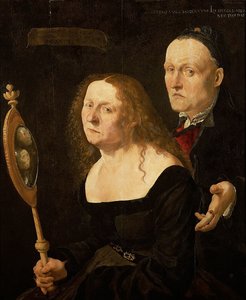
While the surviving oeuvre of Furtenagel is remarkably sparse, the works that remain possess an arresting, almost haunting intensity. He was a master of the vanitas theme—the artistic meditation on the inevitability of death and the transience of life. One of his most profound achievements, long debated by historians, is the double portrait of Hans Burgkmair and his wife Anna. In this striking composition, the couple is reflected in a hand-mirror not as vibrant living figures, but as skeletal reminders of mortality. Through subtle use of light and a chillingly precise execution, Furtenagel utilized the mirror to force a confrontation with the self, embodying the inscription "Recognize thyself/o death/hope of the world."
This preoccupation with the threshold between life and death reached its most iconic expression in his final, most famous undertaking. In 1546, following the passing of the monumental figure Martin Luther, Furtenagel was summoned to Eisleben. Tasked with capturing the likeness of the reformer, he arrived to find Luther already interred. Yet, through his sketches and drawings, Furtenagel achieved something far more enduring than a mere anatomical record. He captured the profound stillness of a departed icon, creating a visual eulogy that would serve as the foundational blueprint for subsequent masters, including Lucas Cranach the Younger. His ability to translate the heavy silence of death into a compelling visual narrative remains his most significant contribution to the history of European portraiture.
Historical Significance and Artistic Echoes
The importance of Lukas Furtenagel lies not in the sheer volume of his output, but in the emotional resonance and historical weight of his surviving fragments. He stands as a bridge between the medieval preoccupation with religious symbolism and the Renaissance focus on individual human experience. His life and work reflect the turbulent transitions of his age—the rise of Protestantism, the expansion of humanist thought, and the refinement of German printmaking and painting techniques.
To study Furtenagel is to witness the following artistic hallmarks:
- Technical Mastery: A profound ability to use light and shadow to convey psychological depth and spiritual solemnity.
- Humanist Influence: The integration of complex philosophical themes, such as memento mori, into portraiture.
- Historical Impact: Providing the essential visual documentation for some of the most pivotal figures of the Reformation.
- Legacy of Observation: A dedication to capturing the raw, unvarnished truth of the human condition, even in its final moments.
Though his career was cut short by his untimely death in 1546, Furtenagel left an indelible mark on the German Renaissance. He remains a vital figure for any student of art history, representing that rare breed of artist who could capture both the grandeur of the human spirit and the quiet, inevitable approach of its end.
lukas furtenagel
1505 - 1546 , Germany
Quick Facts
- Artistic Movement Or Style: Renaissance Art
- Artists Or Movements Influenced By This Artist: ['Lucas Cranach the Elder']
- Artists Who Influenced This Artist: ['Hans Burgkmair']
- Date Of Birth: Augsburg, Germany (1505)
- Date Of Death: ca. 1546
- Full Name: Lukas Furtenagel
- Nationality: German
- Notable Artworks:
- Portrait of Hans Burgkmair and his Wife Anna before a Mirror
- Dead Martin Luther
- Place Of Birth: Augsburg

