 Preview
 Send
Send Share
Share
 Details

 Download
 Similars
 X-Ray
X-Ray Diaporama
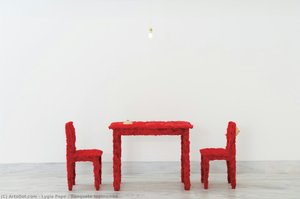
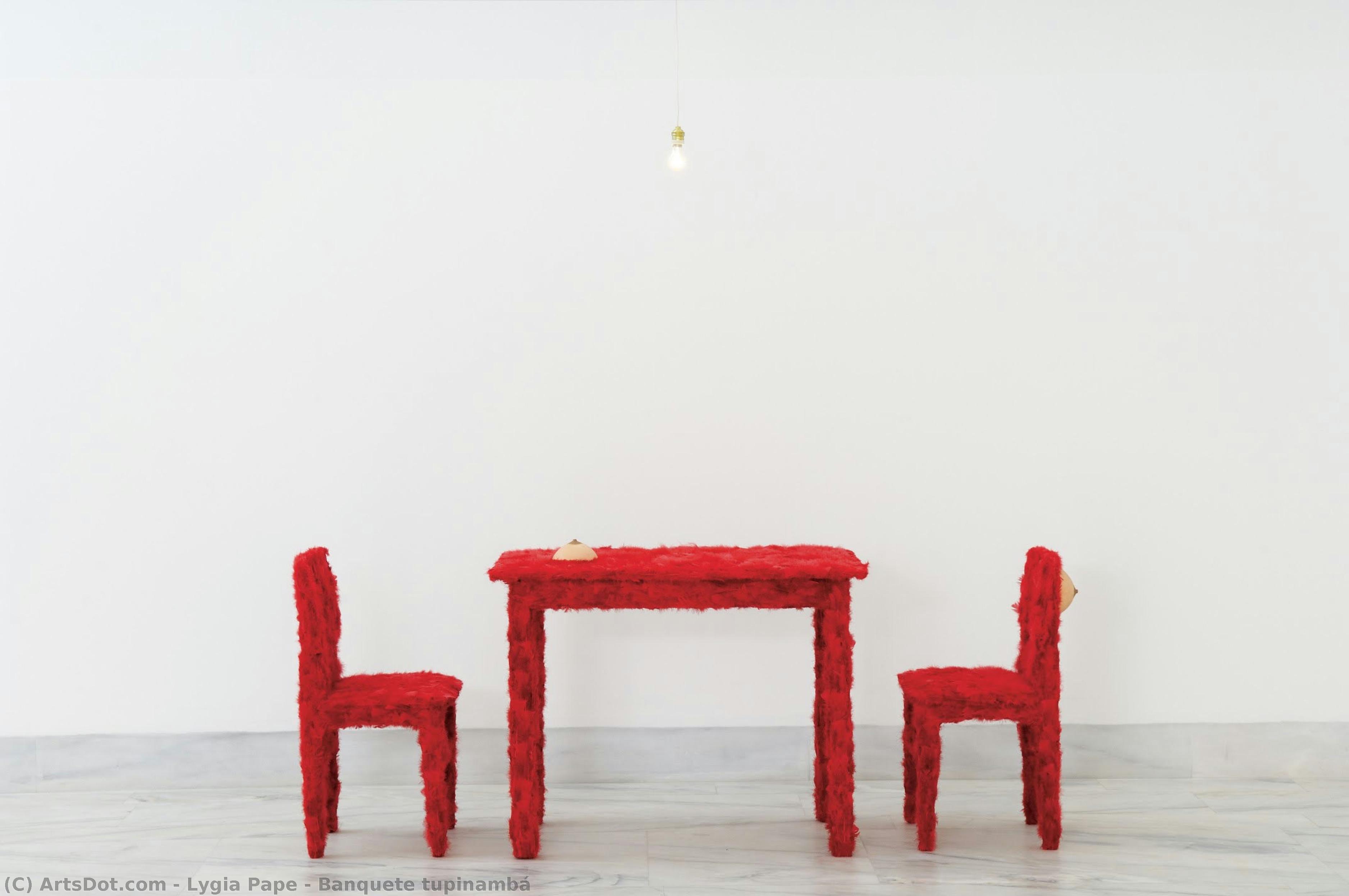
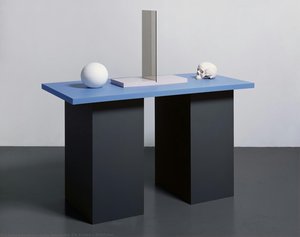
Banquete tupinambá
 2000
2000 77.0 x 140.0 cm
 Culturgest - Fundação Caixa Geral de Depósitos
 Read More
Giclée / Art Print
Museum-quality giclée or canvas print with fast production and flexible finish options. ( Buy Hand Made Painting Buy Image)




































Pick from our preset sizes that match the artwork's original proportions.

You may enter your own dimensions to fit a specific frame or space. If your selected size does not match the original image's proportions, we will either crop the artwork or extend the image with a mirrored or solid-fill edge. A digital mockup will be sent for your approval before production begins.
Please note that the on-screen preview does not reflect the actual cropping or extension. Only the mockup will accurately show the final composition.
While custom sizes are available, we recommend selecting a dimension from the predefined list to preserve the original proportions.
Worldwide Delivery () in 2 weeks instead of standard 4/5 weeks. (26 August)

Free Worldwide Express Shipping

High-Quality Linen Canvas

Full Shipping Insurance

Customs Tax Refund Guarantee

True Color Matching Guarantee

60-Day Return Policy (Defects Only)

100% Money-Back Guarantee

Bulk Discount Offer
 Glass option is only available in size under 110 CM

Banquete tupinambá
Giclée / Art Print
Reproduction Size
-


Total Price
$ 63
Collectible Description
Related Artworks

Artist Biography
Early Life and Education
- Born: April 7, 1927, Nova Friburgo, Brazil
- Died: May 3, 2004, Rio de Janeiro, Brazil
- Studied philosophy at the Universidade Federal do Rio de Janeiro (UFRJ).
- Received informal training in fine arts and studied with Fayga Ostrower at the Museu de Arte Moderna do Rio de Janeiro.
- Began her artistic journey around 1950, influenced by European constructivism.
The Concrete and Neo-Concrete Movements
- Concrete Art: Joined the Concrete art movement in the early 1950s, embracing geometric shapes and materiality.
- Grupo Frente: Co-founded Grupo Frente in 1952 with Ivan Serpa, Hélio Oiticica, and Aluíso Carvão. This group rejected Brazilian modernism's figuration and nationalism.
- Neo-Concrete Movement: A key figure in the emergence of the Neo-Concrete movement in the late 1950s. This movement moved away from pure rationalism, incorporating sensuality, color, and poetic feeling.
- Manifesto: Co-signed the Neo-Concrete manifesto with Lygia Clark and Hélio Oiticica, advocating for viewer interaction and phenomenological experiences.
Key Works and Artistic Development
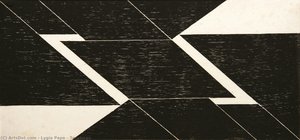
- Tecelares Series (1950s): A series of wood prints featuring planes of black ink and thin lines, evoking handiwork and a connection to Brazilian culture. These works explored the concept of "magnetized space."
- Livro da Criação (Book of Creation) (1959): A part-book-part-sculptural work designed to narrate the genesis of the world, allowing viewers to manipulate pages and create unique narratives.
- Livro do tempo (Book of Time) (1961–63): Consisted of 365 three-dimensional units representing each day of the year.
- Neoconcrete Ballets (late 1950s): Performance pieces involving dancers in colored costumes, exploring movement and space.
- Film Work: Involved with Cinema Novo as a designer and later created experimental films incorporating social and political themes.
Influences and Historical Significance
- European Constructivism: Early influence on her geometric abstraction.
- Brazilian Indigenous Culture: Inspiration for the "weaving" metaphor in the Tecelares series, connecting to traditional Brazilian art forms.
- Hélio Oiticica & Lygia Clark: Collaborated with these artists and shared a vision for expanding contemporary art in Brazil.
- Pioneer of Neo-Concrete Art: Pape's work significantly contributed to the development and expansion of Neo-Concrete art, pushing boundaries through interaction, ethics, and politics.
- Legacy: Her emphasis on viewer participation and exploration of social themes continues to inspire artists and art enthusiasts worldwide.
Later Career and Recognition
- Taught at the Museu de Arte Moderna and Universidade Santa Úrsula in Rio de Janeiro.
- Received a master's degree in philosophy of art from UFRJ.
- Participated in major exhibitions, including the São Paulo Bienal and the Venice Biennale.
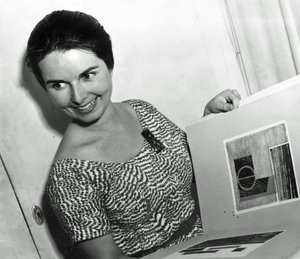
Lygia Pape
1927 - 2004 , Brazil
Quick Facts
- Artistic Movement Or Style: Neo-Concrete Movement
- Artists Who Influenced This Artist: ['Theo van Doesburg']
- Date Of Birth: April 7, 1927
- Date Of Death: May 3, 2004
- Full Name: Lygia Pape
- Nationality: Brazilian
- Notable Artworks:
- Tecelares Series
- Livro da Criação
- Ttéias
- Place Of Birth: Nova Friburgo, Brazil