 Preview
 Send
Send Share
Share
 Details

 Download
 Similars
 X-Ray
X-Ray Diaporama
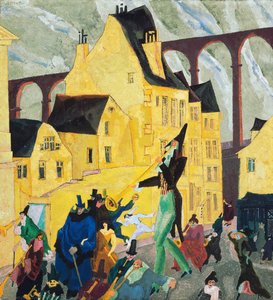
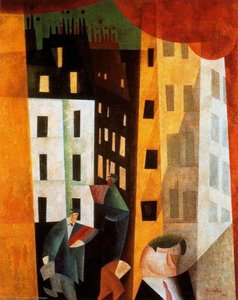
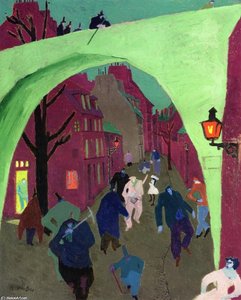
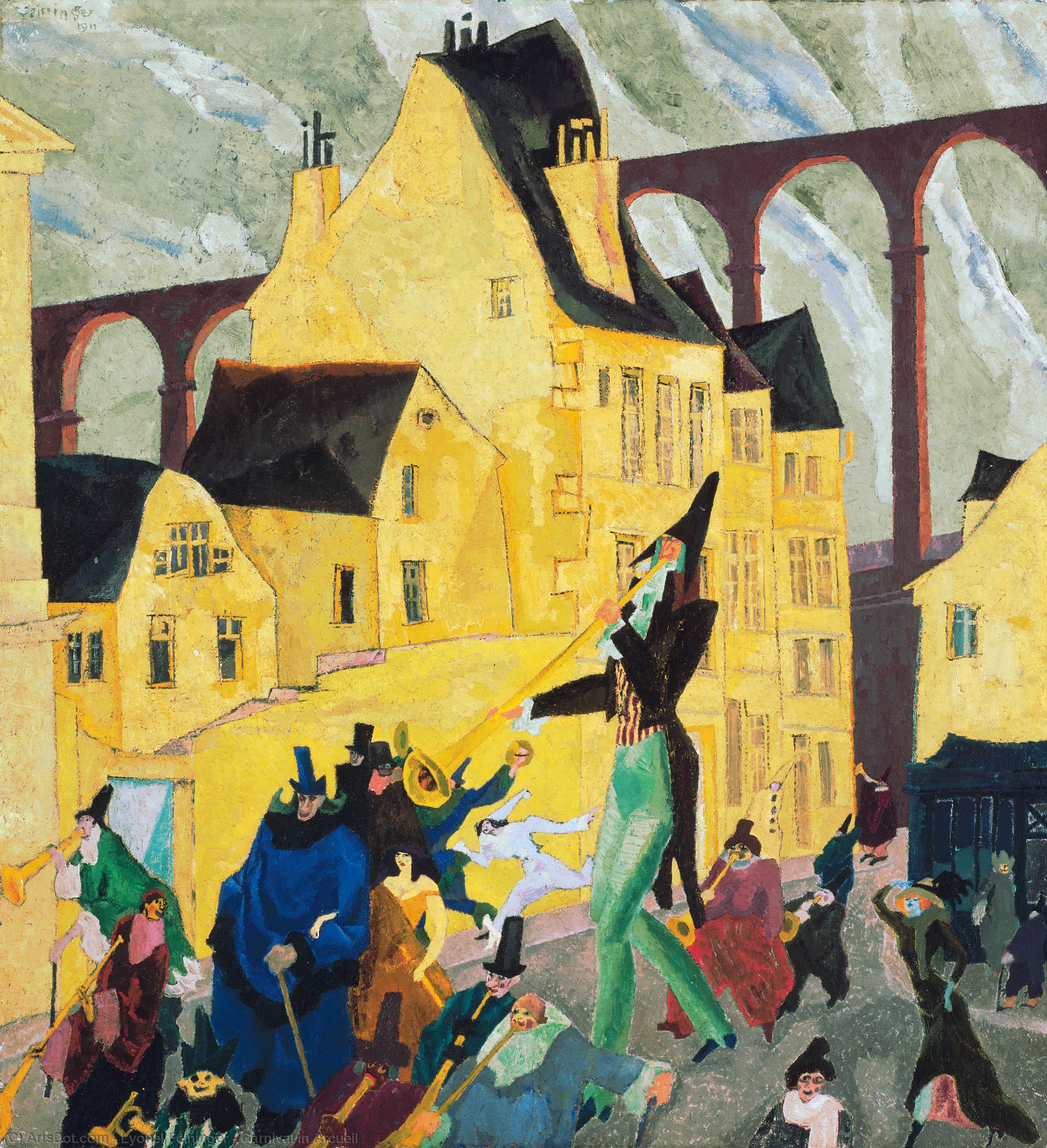
Carnival in Arcueil


 Read More
Hand Made Oil Reproduction
Hand-painted oil on canvas in your size and frame, made to order by our artists. ( Buy Print Buy Image)




P118B $10

P118H $10

P118W $10

P438Z $10

P508JH $12

P508YH $12

P805H $10

P805Z $10

P919BZ $10

P919G $10

P919XJ $10

P959ZH $10

P968JZ $12

W106C $8

W218G $10

W218JH $8

W218Y $10

W307PJ $10

W316G $10

W316PJ $8

W316Y $10

W398PJ $8

W4111J $10

W500HY $15

W500JH $15

W692G $12

W849H $8

W940BG $15

W953PJ $8




Pick from our preset sizes that match the artwork's original proportions.

You may enter your own dimensions to fit a specific frame or space. If your selected size does not match the original image's proportions, we will either crop the artwork or extend the painting with additional hand-painted elements. A digital mockup will be sent for your approval before production begins.
Please note that the on-screen preview does not reflect the actual cropping or extension. Only the mockup will accurately show the final composition.
While custom sizes are available, we recommend selecting a dimension from the predefined list to preserve the original proportions.
After order, ArtsDot.com team will email client for instructions and provide a mockup preview
Worldwide Delivery () in 3/4 weeks instead of standard 5 weeks. (16 August). No compromise on quality.

Free Worldwide Express Shipping

High-Quality Linen Canvas

Full Shipping Insurance

Customs Tax Refund Guarantee

True Color Matching Guarantee

60-Day Return Policy (Defects Only)

100% Money-Back Guarantee

Bulk Discount Offer
 Glass option is only available in size under 110 CM

Carnival in Arcueil
Reproduction Medium
Reproduction Size
-


Total Price
$ 263
Artwork Description
A Burst of Joy: Lyonel Feininger’s “Carnival in Arcueil”
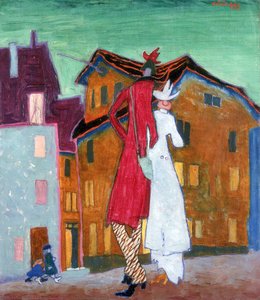
Lyonel Feininger's "Carnival in Arcueil," painted in 1911, isn’t merely a depiction of a festive street scene; it’s a vibrant distillation of Expressionist energy and a testament to the artist’s unique ability to imbue everyday life with an extraordinary sense of movement and emotion. Housed within the Art Institute of Chicago, this oil on canvas transports us to the heart of a Parisian carnival, capturing not just the visual spectacle but also the palpable excitement and slightly surreal atmosphere that defines the moment. Feininger, a German-American painter deeply rooted in both European artistic traditions and American popular culture, masterfully blends elements of Cubism with the passionate intensity of Expressionism, creating an image that is both familiar and strikingly original.
The painting immediately draws the eye to its central figure: a man in black, balancing precariously on one leg while juggling three balls. This dynamic pose isn’t simply illustrative; it embodies the spirit of the carnival itself – a celebration of skill, daring, and joyful abandon. Surrounding him is a throng of figures, rendered with a remarkable degree of detail despite the overall impression of movement. They are not portraits in the traditional sense, but rather archetypes of carnival revelers—a mix of faces, costumes, and gestures that collectively contribute to the painting’s lively energy. The artist's use of color is particularly noteworthy; bold yellows, reds, blues, and greens dominate the palette, creating a dazzling visual effect that mirrors the vibrancy of the event itself.
The Architectural Backdrop: Bridges and Parisian Identity
Beyond the figures, it’s crucial to consider the setting – two prominent bridges that frame the scene. These aren't merely architectural elements; they are integral to the painting’s narrative. Arcueil, a town just south of Paris, was a frequent subject for Feininger, and these bridges became recurring motifs in his work. They represent not only the physical connection between different parts of the city but also a sense of Parisian identity—a blend of urban dynamism and historical heritage. The bridges’ solid forms provide a grounding element to the swirling chaos of the carnival, anchoring the scene within a recognizable, yet subtly stylized, reality.
Feininger's fascination with architecture is evident throughout his oeuvre, reflecting a broader interest in geometric form and spatial relationships. He often depicted buildings not as static objects but as dynamic forces shaping the urban landscape. In “Carnival in Arcueil,” the bridges serve as both structural supports and visual anchors, guiding the viewer’s eye through the composition and contributing to the painting's overall sense of depth and movement.
Expressionist Techniques: Color, Form, and Emotion
The painting’s distinctive style is firmly rooted in Expressionism—a movement that sought to convey subjective emotions rather than objective reality. Feininger achieves this through a number of key techniques. His use of flattened perspective and fragmented forms creates a sense of disorientation and immediacy, as if the viewer is swept up in the carnival's frenetic energy. The colors are applied with thick impasto—a technique that adds texture and physicality to the surface of the canvas—further enhancing the painting’s emotional impact.
Furthermore, Feininger employs a masterful use of color theory. He utilizes contrasting hues to heighten visual interest and create a sense of dynamism. The vibrant yellows and reds of the carnival scene are juxtaposed with cooler blues and greens in the background, generating a powerful visual tension. This interplay of colors not only captures the sensory experience of the carnival but also reflects the artist’s own emotional response to it—a mixture of excitement, wonder, and perhaps even a touch of melancholy.
A Legacy of Modernity: Feininger's Place in Art History
“Carnival in Arcueil” stands as a pivotal work in Lyonel Feininger’s career and a significant example of early 20th-century art. His exploration of urban life, combined with his innovative use of color and form, foreshadowed many of the developments that would characterize modernism. The painting's influence can be seen in the works of later Expressionist artists such as Max Beckmann and Emil Nolde, while its stylistic elements also resonate with the Cubist explorations of Picasso and Braque.
Today, “Carnival in Arcueil” continues to captivate viewers with its vibrant energy and emotional depth. It’s a reminder of the power of art to capture not just what we see but also what we feel—a celebration of joy, movement, and the enduring spirit of human connection.
Related Artworks

Artist Biography
Early Life and Career: From Caricaturist to Fine Artist
- Birth and Family: Lyonel Charles Adrian Feininger was born on July 17, 1871, in New York City. His father, Karl Feininger, was a German-American violinist and composer, and his mother, Elizabeth Feininger, was an American singer. This artistic background significantly influenced his early development.
- Early Education and European Travels: In 1887, at the age of 16, Feininger traveled to Europe to study music but soon shifted his focus to art. He studied drawing in Hamburg and Berlin.
- Commercial Art Career: From 1894 onwards, Feininger established a successful career as a caricaturist for various German, French, and American magazines. His comic strips, such as "The Kin-der-Kids" and "Wee Willie Winkie's World," gained considerable popularity and showcased his unique graphic style.
- Transition to Fine Art: After a 20-year stint in commercial art, Feininger transitioned to fine art at the age of 36. This marked a significant turning point in his artistic journey.
Expressionism and Bauhaus Influence
- Joining Expressionist Groups: Feininger became a leading exponent of Expressionism, joining influential groups like Die Brücke, Novembergruppe, and Gruppe 1919. His work during this period reflected the movement's emphasis on emotional expression and subjective experience.
- First Solo Exhibition: His first solo exhibition at the Sturm Gallery in Berlin (1917) was a pivotal moment, establishing him as a prominent figure in the art world.
- Bauhaus Master: In 1919, Walter Gropius appointed Feininger as the first faculty member at the Bauhaus, a groundbreaking school of art and design. He served as the master artist in charge of the printmaking workshop, significantly influencing numerous students.
- Artistic Style: His work was characterized by prismatically broken forms, translucent colors, and references to architecture and the sea, aligning him with classical modernism.
Major Works and Artistic Development
- Early Marine Paintings: During summer vacations on the island of Usedom (1909-1918), Feininger created numerous marine paintings depicting the Baltic Sea, showcasing his evolving style.
- Notable Works: Some of his significant works include "Werder I" (watercolor), "Gaberndorf II" (paper), and "Boats" (cubism, oil on canvas). These pieces exemplify his unique blend of Expressionist techniques and architectural themes.
- Photographic Works: Between 1928 and the mid-1950s, Feininger produced a substantial body of photographic works, demonstrating his versatility as an artist.
- Musical Compositions: He also composed several piano pieces and fugues for organ, revealing another facet of his artistic talent.
Later Years and Legacy
- Emigration to the United States: Due to the rise of the Nazi Party in 1933, Feininger emigrated to the United States with his wife.
- Continued Artistic Practice: He continued painting and creating art throughout his life, maintaining a distinctive style.
- Death and Recognition: Lyonel Feininger died on January 13, 1956. His work has left an indelible mark on the art world, inspiring artists and enthusiasts alike with its unique blend of Expressionism, graphic experimentation, and architectural themes.
- Historical Significance: As a key figure in both Expressionism and the Bauhaus movement, Feininger's contributions significantly shaped the course of modern art. His innovative use of color, form, and perspective continues to resonate with audiences today.
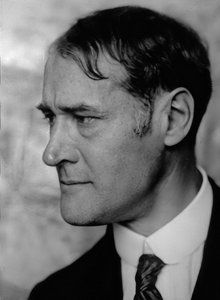
Lyonel Feininger
1871 - 1956 , United States of America
Quick Facts
- Artistic Movement Or Style: Expressionism, Cubism
- Artists Or Movements Influenced By This Artist:
- Bauhaus movement
- Ludwig Hirschfeld Mack
- Date Of Birth: July 17, 1871
- Date Of Death: January 13, 1956
- Full Name: Lyonel Charles Adrian Feininger
- Nationality: German-American
- Notable Artworks:
- Werder I (watercolour)
- Gaberndorf II (paper)
- Boats (oil on canvas)
- Place Of Birth: New York City, USA
Related Articles
Lyonel Feininger: Bridging Expressionism & Cubism – A Study of Spiritual Geometry
Explore the captivating world of Lyonel Feininger, a pivotal figure bridging Expressionism & Cubism. Discover his architectural visions, Bauhaus influence, and enduring legacy in modern art history. Learn more at ArtsDot.
Figurative Expressionism: Emotional Intensity & Subjective Reality in 20th-Century Art
Explore the powerful world of Figurative Expressionism with ArtsDot. Discover key artists like Kirchner & Beckmann, understand its emotional depth, and learn how to collect this influential 20th-century art movement.
The Raw Emotion of Expressionism: A Deep Dive into its History, Characteristics & Enduring Influence
Explore the raw emotion of Expressionism with ArtsDot. Discover its history, key artists like Kirchner & Munch, and lasting influence on modern art. Expert insights for collectors & enthusiasts.

Deconstructing Reality: Cubist Expressionism's Aesthetic & Philosophical Foundations
Explore the profound aesthetic & philosophical foundations of Cubist Expressionism. Discover key artists, movements, and lasting influence on modern art history. A guide for discerning collectors.

German Expressionism's 10 Defining Masterpieces | Art for Your Home
Explore 10 defining German Expressionism masterpieces – from Munch's 'The Scream' to Kandinsky’s abstracts. Discover the artists, stories & bold colors behind this powerful art movement. Find museum-quality reproductions at ArtsDot.com.