 Preview
 Send
Send Share
Share
 Details

 Download
 Similars
 X-Ray
X-Ray Diaporama
 Stats
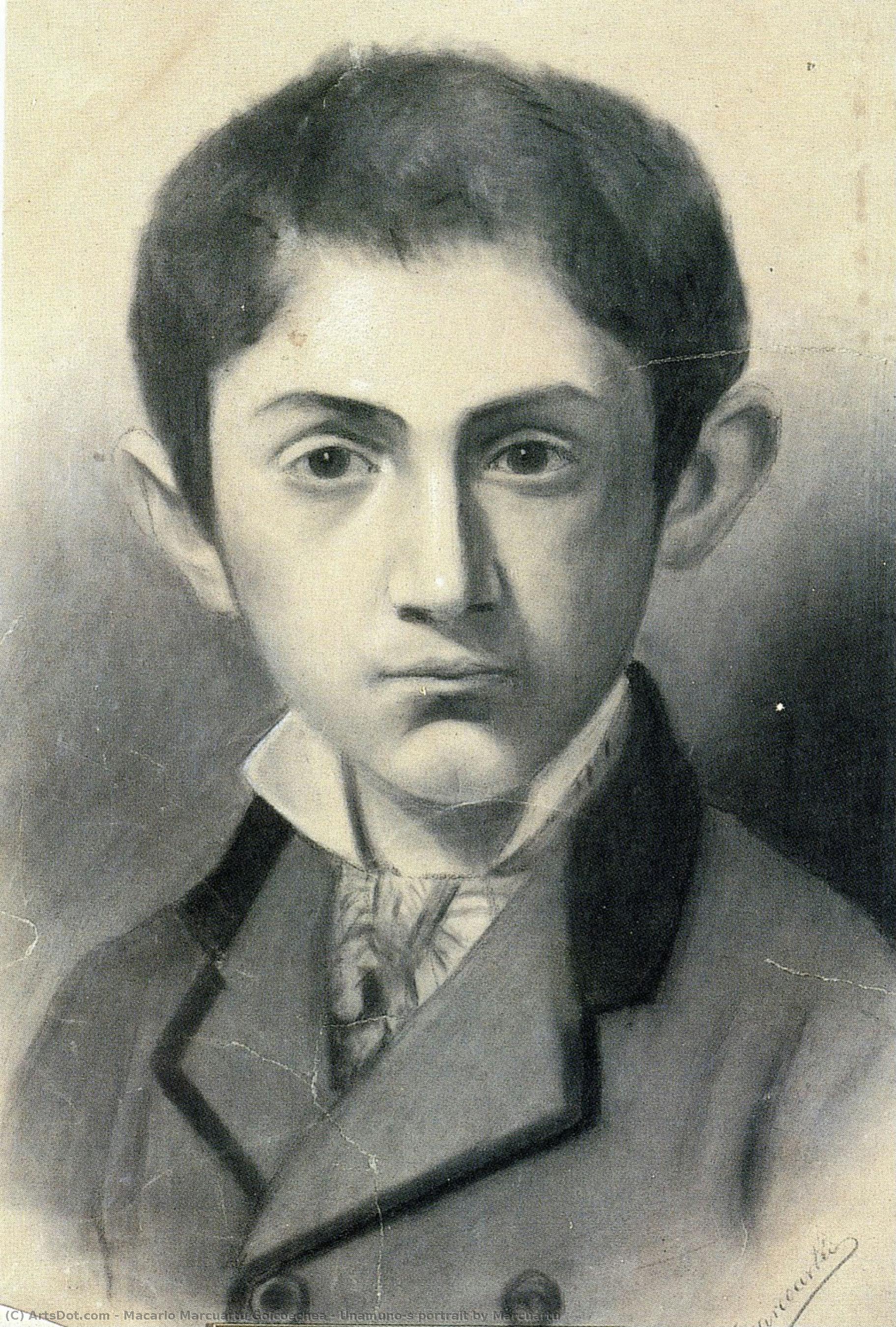
StatsUnamuno´s portrait by Marcuartu
 5.0 x 27.0 cm
 Casa Museo Unamuno
 Read More
Hand Made Oil Reproduction
Hand-painted oil on canvas in your size and frame, made to order by our artists. ( Switch to Print Switch to Digital Image)




































Pick from our preset sizes that match the artwork's original proportions.

You may enter your own dimensions to fit a specific frame or space. If your selected size does not match the original image's proportions, we will either crop the artwork or extend the painting with additional hand-painted elements. A digital mockup will be sent for your approval before production begins.
Please note that the on-screen preview does not reflect the actual cropping or extension. Only the mockup will accurately show the final composition.
While custom sizes are available, we recommend selecting a dimension from the predefined list to preserve the original proportions.
After order, ArtsDot.com team will email client for instructions and provide a mockup preview
Worldwide Delivery () in 3/4 weeks instead of standard 5 weeks. (12 September). No compromise on quality.

Free Worldwide Express Shipping

High-Quality Linen Canvas

Full Shipping Insurance

Customs Tax Refund Guarantee

True Color Matching Guarantee

100-Day Return Policy (Defects Only)

100% Money-Back Guarantee

Bulk Discount Offer
 Glass option is only available in size under 110 CM

Unamuno´s portrait by Marcuartu
Reproduction Medium
Reproduction Size
-


Total Price
$ 263
Related Artworks






Artist Biography
The Soul of the Basque Twilight: The Life and Art of Macario Marcuartu
In the misty, industrial landscape of late 19th-century Bilbao, a singular artistic voice emerged to capture the profound psychological depths of the Basque spirit. Macario Marcuartu Goicoechea (1858–1905) was more than a mere chronicler of his era; he was a painter of shadows and existential weight. Born in Begoña, Marcuartu’s life unfolded during a period of intense transformation, where the rapid pulse of the industrial revolution collided with the ancient, enduring traditions of the Basque Country. His work serves as a bridge between these two worlds, blending the meticulous discipline of academic training with an almost haunting, Romantic sensibility that sought to uncover the human condition beneath the surface of reality.
Marcuartu’s artistic journey was rooted in rigorous formal education, having studied at the Escuela Superior Especial de Pintura, Escultura y Grabado. This academic foundation provided him with a mastery of light and form that would later allow him to experiment with more evocative, emotive styles. In his early career, he demonstrated a remarkable command of historical painting, participating in prestigious venues such as the National Fine Arts Exhibitions in 1884, 1887, and 1890. However, as his artistic maturity blossomed, Marcuartu underwent a significant stylistic evolution. By the turn of the century, he moved away from the grand narratives of history to embrace the intimate and the psychological, dedicating himself to portraiture—a shift that brought him immense success and allowed him to explore the nuances of character and soul.
A Master of Psychological Realism
The zenith of Marcuartu’s legacy is perhaps best embodied in his 1880 masterpiece, the portrait of Miguel de Unamuno. In this work, the artist transcends the boundaries of traditional likeness to present a window into the very essence of one of Spain's greatest intellectuals. Through subtle tonal gradations and a piercing, observant gaze, Marcuartu captures Unamuno’s characteristic existential contemplation. The painting is not merely a study of a face, but an exploration of mortality and thought, utilizing chiaroscuro to create a dramatic interplay between light and darkness that mirrors the internal struggles of his subject.
This mastery of atmosphere extended far beyond his portraits. Marcuartu possessed a unique ability to imbue his canvases with a sense of solemnity and even a touch of the macabre. His thematic interests often drifted toward the folklore of his homeland, weaving together elements of Basque legend, death, and the supernatural. Whether depicting the quiet dignity of a landscape or the heavy presence of religious iconography—such as his notable Coronación de la Virgen de Begoña—his brushwork remained expressive and his palette often muted, creating an atmosphere of profound introspection. His ability to balance the realism of his training with the emotional weight of Romanticism allowed him to touch upon themes that resonated deeply with the anxieties and spiritualities of his time.
Legacy and Historical Significance
Though his life was tragically short, ending in 1905, Macario Marcuartu Goicoechea left an indelible mark on the Spanish art canon. His transition from a historical painter to a master of portraiture mirrors the broader European shift from grand, objective narratives toward more subjective, psychological explorations of identity. His works remain vital touchstones for understanding the cultural landscape of Bilbao and the wider Basque region during a period of monumental change.
Today, his contributions are preserved in significant collections, including the Bilbao Fine Arts Museum, where his ability to capture the "Basque Soul" continues to captivate scholars and art lovers alike. His legacy is defined by:
- Technical Mastery: A seamless integration of academic precision with expressive, atmospheric brushwork.
- Psychological Depth: The ability to use portraiture as a medium for exploring existential and philosophical themes.
- Cultural Resonance: A profound connection to Basque identity, folklore, and the tension between tradition and modernity.
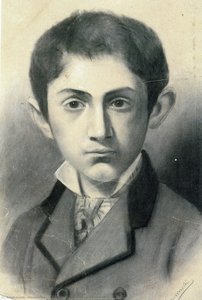
macario marcuartu goicoechea
1858 - 1905 , Spain
Quick Facts
- Artistic Movement Or Style: Realism
- Date Of Birth: 1858
- Full Name: Macario Marcuartu Goicoechea
- Nationality: Basque
- Notable Artworks: ['Unamuno Portrait']
- Place Of Birth: Beogaña, Spain