 Preview
 Send
Send Share
Share
 Details

 Download
 Similars
 X-Ray
X-Ray Diaporama
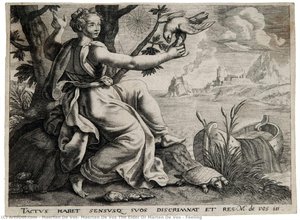
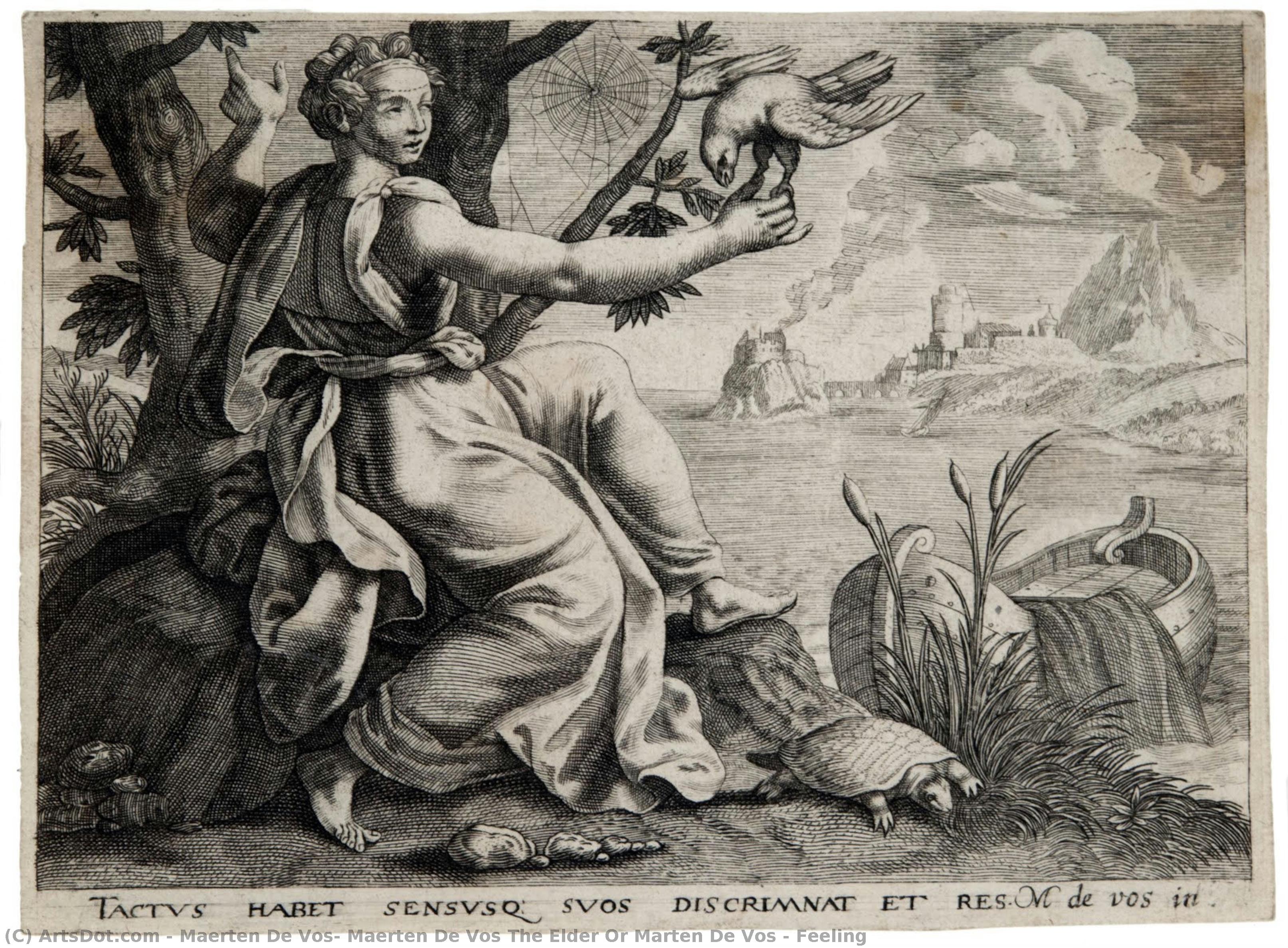
Feeling
 10.0 x 13.0 cm
 Hammer Museum
 Read More
Hand Made Oil Reproduction
Hand-painted oil on canvas in your size and frame, made to order by our artists. ( Buy Print Buy Image)




































Pick from our preset sizes that match the artwork's original proportions.

You may enter your own dimensions to fit a specific frame or space. If your selected size does not match the original image's proportions, we will either crop the artwork or extend the painting with additional hand-painted elements. A digital mockup will be sent for your approval before production begins.
Please note that the on-screen preview does not reflect the actual cropping or extension. Only the mockup will accurately show the final composition.
While custom sizes are available, we recommend selecting a dimension from the predefined list to preserve the original proportions.
After order, ArtsDot.com team will email client for instructions and provide a mockup preview
Worldwide Delivery () in 3/4 weeks instead of standard 5 weeks. (20 August). No compromise on quality.

Free Worldwide Express Shipping

High-Quality Linen Canvas

Full Shipping Insurance

Customs Tax Refund Guarantee

True Color Matching Guarantee

60-Day Return Policy (Defects Only)

100% Money-Back Guarantee

Bulk Discount Offer
 Glass option is only available in size under 110 CM

Feeling
Reproduction Medium
Reproduction Size
-


Total Price
$ 263
Related Artworks
Artist Biography
A Life Immersed in Renaissance Splendor
Martin de Vos, a name resonating with the vibrant spirit of 16th-century Flemish painting, was born in Antwerp in 1532 – a city then pulsating as one of Europe’s most important cultural and commercial hubs. His early life unfolded amidst an atmosphere of burgeoning artistic innovation, deeply influenced by the Italian Renaissance that was sweeping across the continent. While details regarding his initial training remain somewhat elusive, it is widely believed he apprenticed under Frans van Coxie, a prominent painter known for his refined style and mastery of historical subjects. This foundation proved crucial in shaping de Vos’s own artistic trajectory, instilling within him a dedication to meticulous detail, balanced composition, and narrative clarity. Antwerp at this time was not merely a city; it was a crucible where Northern realism met the idealized forms of Italy, and young Martin absorbed both traditions with remarkable aptitude. His family background also played a role, being connected to a prominent guild family which likely facilitated his access to artistic circles and commissions.The Venetian Embrace: A Journey of Artistic Refinement
Around 1558, de Vos embarked on an extended sojourn to Italy – specifically Venice, the epicenter of artistic brilliance during the High Renaissance. This period proved transformative for the young artist. Immersing himself in the works of Titian, Veronese, and Tintoretto, he absorbed their mastery of color, light, and dramatic composition. The Venetian influence is palpable in his subsequent paintings; a shift away from the earlier Northern emphasis on precise detail towards a more atmospheric and emotionally resonant style. He wasn’t simply copying techniques, however. De Vos synthesized these Italian lessons with his inherent Flemish sensibilities, creating a unique visual language that blended the grandeur of the Renaissance with the meticulous realism he had cultivated in Antwerp. This fusion is particularly evident in his use of rich, saturated colors and dynamic compositions, often populated by elegantly posed figures engaged in complex narratives. His time in Italy wasn’t just about studying art; it was about understanding a different way of seeing and representing the world.A Prolific Output: History, Allegory, and Portraiture
Upon his return to Antwerp, de Vos quickly established himself as a leading painter within the city's artistic community. He became a master in the Guild of Saint Luke in 1569, solidifying his professional standing. His oeuvre is remarkably diverse, encompassing history paintings, allegorical scenes, and portraits – all executed with exceptional skill and attention to detail. History paintings, often depicting biblical or mythological subjects, were central to his practice. These works weren’t merely illustrations of stories; they were carefully constructed narratives designed to convey moral lessons and philosophical ideas. His allegorical compositions, frequently commissioned for wealthy patrons, showcased his ability to imbue abstract concepts with tangible form and symbolic meaning. Portraits, while less numerous than his other work, reveal a keen understanding of human psychology and an impressive technical command. De Vos’s paintings are characterized by their sophisticated color palettes, elegant figure groupings, and meticulous attention to texture and detail – qualities that made him highly sought after by discerning collectors.Disseminating Style: Prints and International Influence
De Vos wasn't solely reliant on direct commissions for his success. He recognized the power of printmaking as a means of disseminating his style and reaching a wider audience. He collaborated with leading engravers to produce numerous prints based on his paintings, which were widely circulated throughout Europe and beyond – including the Spanish colonies. This strategic use of reproductive techniques significantly amplified his influence, introducing his artistic vision to new markets and inspiring generations of artists. His designs for prints often featured complex allegorical scenes and historical narratives, demonstrating his mastery of composition and storytelling. The impact of these prints cannot be overstated; they played a crucial role in shaping the aesthetic sensibilities of the late Renaissance and early Baroque periods.- His work found particular favor within Spanish aristocratic circles.
- The prints allowed for a broader understanding of Flemish artistry across geographical boundaries.
- He became known as “Maerten de Vos the Elder” to distinguish him from other artists with similar names.
Legacy and Historical Significance
Martin de Vos died in Antwerp in 1603, leaving behind a substantial body of work that continues to captivate and inspire. His paintings represent a fascinating synthesis of Northern realism and Italian Renaissance ideals – a testament to his artistic versatility and intellectual curiosity. He stands as a pivotal figure in the transition from the late Renaissance to the early Baroque, bridging the gap between these two distinct stylistic periods. His influence extended far beyond the borders of Flanders, shaping the aesthetic landscape of Europe and contributing significantly to the development of history painting and allegorical art. While perhaps not as widely celebrated today as some of his contemporaries, de Vos’s contributions to the artistic heritage of the 16th century are undeniable. His legacy lies in his ability to create paintings that were both visually stunning and intellectually engaging – works that continue to resonate with viewers centuries after their creation. He remains a compelling example of an artist who successfully navigated the complexities of his time, forging a unique path within the vibrant artistic milieu of Renaissance Europe.
maerten de vos, maerten de vos the elder or marten de vos
1532 - 1603 , Belgium
Quick Facts
- Artistic Movement Or Style: History painting, Mannerism
- Artists Or Movements Influenced By This Artist:
- European painters
- Spanish colonies art
- Artists Who Influenced This Artist: ['Venetian artists']
- Date Of Birth: 1532
- Date Of Death: 1603
- Full Name: Maerten de Vos
- Nationality: Flemish
- Notable Artworks:
- Allegorical paintings
- Portraits
- Print designs
- Place Of Birth: Antwerp, Belgium