 Preview
 Send
Send Share
Share
 Details

 Download
 Similars
 X-Ray
X-Ray Diaporama
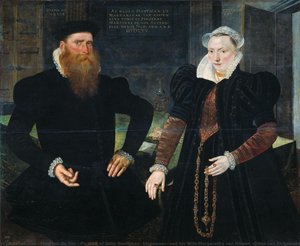
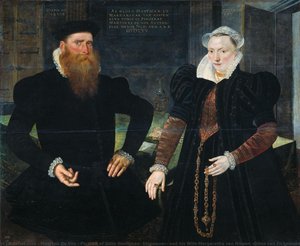
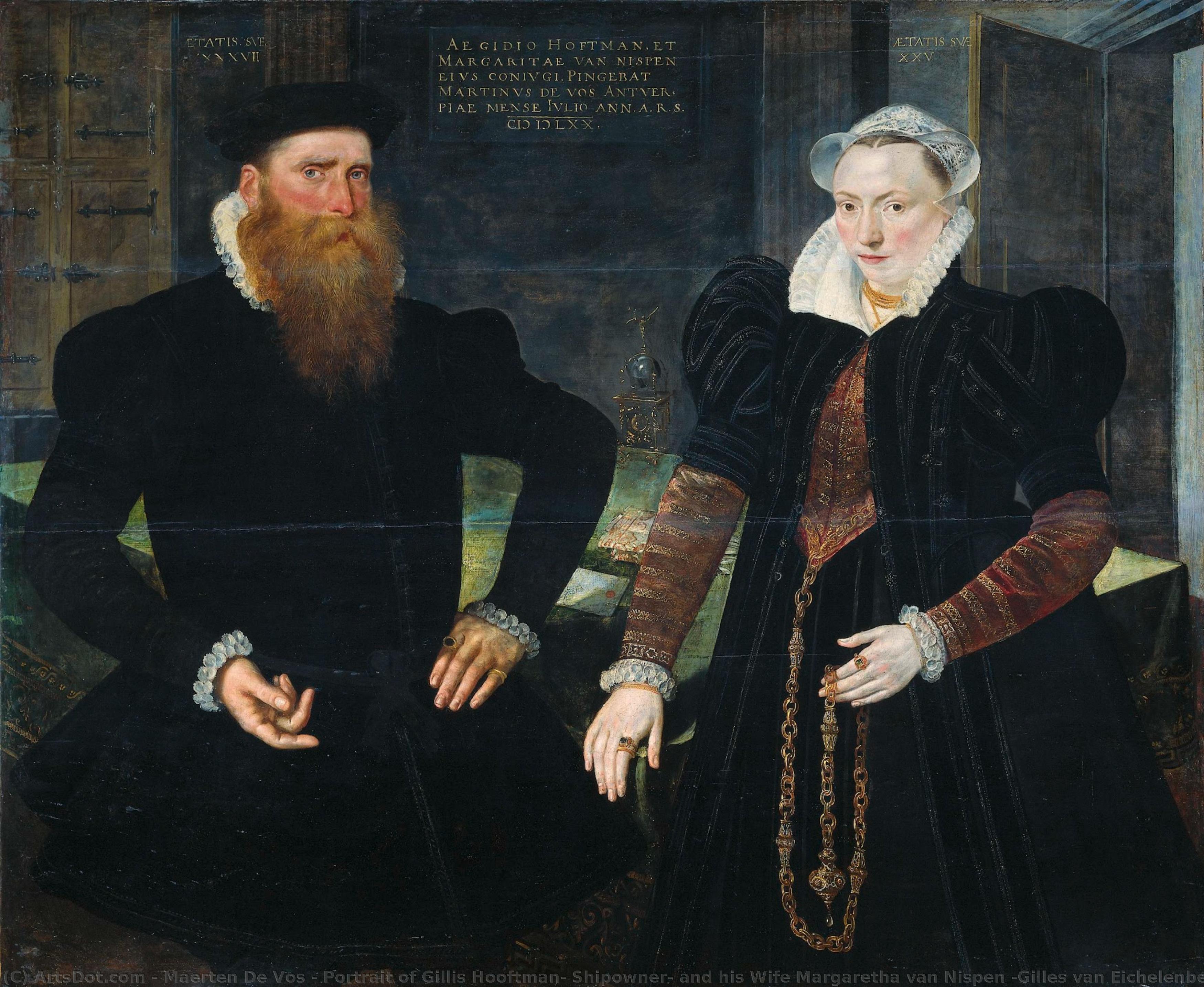
Portrait of Gillis Hooftman, Shipowner, and his Wife Margaretha van Nispen (Gilles van Eichelenberg, called Hoffman), Maerten de Vos, 1570
 1570
1570 116.0 x 141.0 cm
 Read More
Hand Made Oil Reproduction
Hand-painted oil on canvas in your size and frame, made to order by our artists. ( Buy Print Buy Image)




































Pick from our preset sizes that match the artwork's original proportions.

You may enter your own dimensions to fit a specific frame or space. If your selected size does not match the original image's proportions, we will either crop the artwork or extend the painting with additional hand-painted elements. A digital mockup will be sent for your approval before production begins.
Please note that the on-screen preview does not reflect the actual cropping or extension. Only the mockup will accurately show the final composition.
While custom sizes are available, we recommend selecting a dimension from the predefined list to preserve the original proportions.
After order, ArtsDot.com team will email client for instructions and provide a mockup preview
Worldwide Delivery () in 3/4 weeks instead of standard 5 weeks. (3 September). No compromise on quality.

Free Worldwide Express Shipping

High-Quality Linen Canvas

Full Shipping Insurance

Customs Tax Refund Guarantee

True Color Matching Guarantee

60-Day Return Policy (Defects Only)

100% Money-Back Guarantee

Bulk Discount Offer
 Glass option is only available in size under 110 CM

Portrait of Gillis Hooftman, Shipowner, and his Wife Margaretha van Nispen (Gilles van Eichelenberg, called Hoffman), Maerten de Vos, 1570
Reproduction Medium
Reproduction Size
-


Total Price
$ 263
Related Artworks







Artist Biography
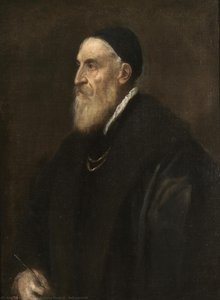
Maerten De Vos: A Master of Mannerism and Portraiture
Maerten de Vos, born in Antwerp around 1530 and passing away in the same city in 1607, stands as a pivotal figure bridging the High Renaissance with the burgeoning Mannerist style. His life unfolded during a period of immense artistic ferment in the Southern Netherlands, a region grappling with religious upheaval and political change under Spanish rule. De Vos wasn’t merely a painter; he was a product of his time, reflecting its anxieties, aspirations, and evolving aesthetic sensibilities within his meticulously crafted works. He came from an established family of artists – his father, Pieter de Vos, was also a painter – providing him with early exposure to the techniques and traditions of the craft. This familial foundation proved crucial in shaping his initial artistic development, though he would soon forge his own distinct path.Early Training and Influences
De Vos’s formal training remains somewhat shrouded in mystery, but it is widely believed that he apprenticed with Pieter Bruegel the Elder, a towering figure of Northern Renaissance painting. The influence of Bruegel is discernible in De Vos's early landscapes and genre scenes, characterized by their detailed observation of everyday life and a subtle undercurrent of social commentary. However, de Vos quickly moved beyond the rustic realism of his mentor, drawn to the more refined elegance and sophisticated compositions favored by Italian Mannerism. He absorbed these influences through engravings and prints circulating widely in Antwerp, particularly those depicting works by artists like Parmigianino and Bronzino. This fascination with Italianate style marked a turning point in his artistic career, leading him to embrace elongated figures, graceful poses, and a heightened sense of artifice. His early work also shows the impact of Jan van Scorel, another artist who brought Italian influences to Northern Europe.A Prolific Portraitist and Historical Painter
De Vos rapidly established himself as a highly sought-after portraitist in Antwerp’s burgeoning merchant class. He possessed an exceptional ability to capture not only the physical likeness of his sitters but also their social standing, personality, and inner life. His portraits are renowned for their meticulous detail – from the intricate textures of clothing to the subtle nuances of facial expression – and a remarkable psychological depth. Beyond portraiture, de Vos excelled as a historical painter, tackling ambitious subjects drawn from classical mythology, biblical narratives, and contemporary events. He became a leading member of the Guild of Saint Luke in 1558, further solidifying his position within Antwerp’s artistic community. His large-scale compositions often featured numerous figures arranged in complex groupings, showcasing his mastery of perspective and spatial organization. A key aspect of his historical paintings was their allegorical dimension; he frequently imbued them with moral or political messages relevant to the turbulent times in which he lived.Style and Technique
De Vos’s style is characterized by a refined elegance, meticulous detail, and a subtle interplay of color and light. He employed a sophisticated technique involving layered glazes that created a luminous effect and enhanced the richness of his palette. His figures are typically elongated and graceful, reflecting the influence of Italian Mannerism, yet they retain a distinctly Northern sensibility in their realistic rendering and attention to individual character. He was particularly adept at depicting luxurious fabrics and textures, showcasing his technical virtuosity and appealing to the tastes of his wealthy patrons. De Vos’s compositions are often complex and dynamic, featuring numerous figures arranged in carefully orchestrated groupings that draw the viewer's eye through the scene. He also demonstrated a keen understanding of symbolism, incorporating hidden meanings into his paintings that added layers of interpretation. His use of allegory was particularly prominent in his historical works, where he frequently employed classical motifs and biblical references to convey moral or political messages.Legacy and Historical Significance
Maerten de Vos’s influence extended far beyond the borders of Antwerp, impacting artists throughout Northern Europe. His workshop produced a large number of paintings that were widely disseminated through trade networks, contributing to the spread of Mannerist style. He was also an accomplished printmaker, designing numerous engravings and etchings that further amplified his artistic reach.- His portraits provide invaluable insights into the lives and social customs of 16th-century Antwerp.
- He played a crucial role in bridging the gap between the High Renaissance and Mannerism in Northern Europe.
- De Vos’s allegorical paintings offer a fascinating glimpse into the political and religious anxieties of his time.