 Preview
 Send
Send Share
Share
 Details

 Download
 Similars
 X-Ray
X-Ray Diaporama
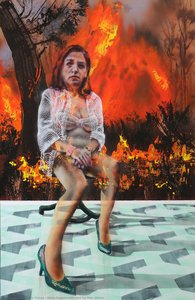
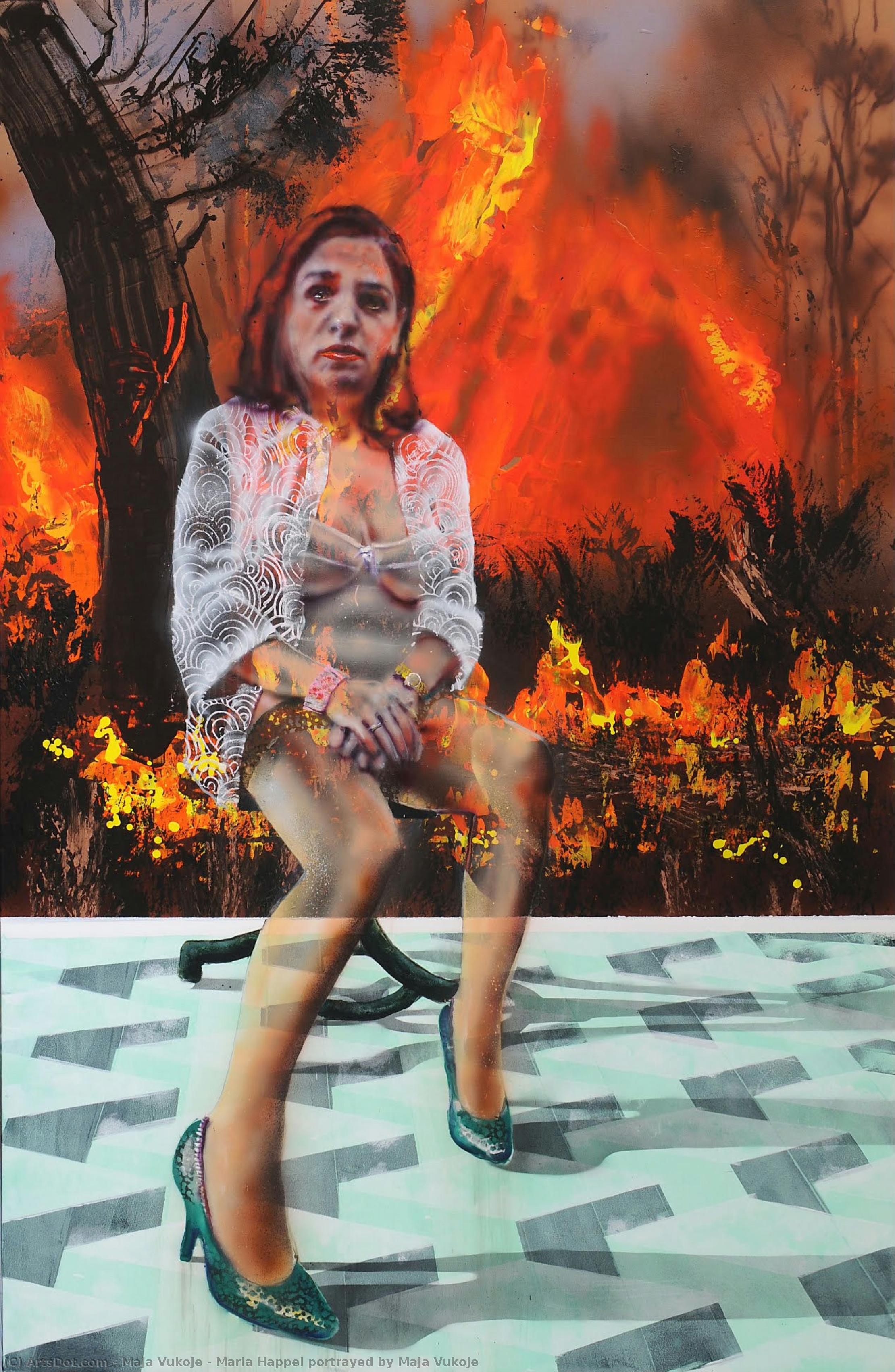
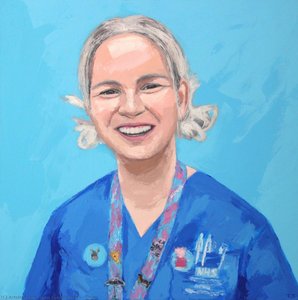
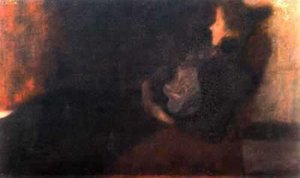
Maria Happel portrayed by Maja Vukoje
 Acrylic On Canvas
- WallArt
- Contemporary Realism
 2008
2008 230.0 x 150.0 cm
 Burgtheater
 Read More
Hand Made Oil Reproduction
Hand-painted oil on canvas in your size and frame, made to order by our artists. ( Buy Print Buy Image)




P118B $10

P118H $10

P118W $10

P438Z $10

P508JH $12

P508YH $12

P805H $10

P805Z $10

P919BZ $10

P919G $10

P919XJ $10

P959ZH $10

P968JZ $12

W106C $8

W218G $10

W218JH $8

W218Y $10

W307PJ $10

W316G $10

W316PJ $8

W316Y $10

W398PJ $8

W4111J $10

W500HY $15

W500JH $15

W692G $12

W849H $8

W940BG $15

W953PJ $8




Pick from our preset sizes that match the artwork's original proportions.

You may enter your own dimensions to fit a specific frame or space. If your selected size does not match the original image's proportions, we will either crop the artwork or extend the painting with additional hand-painted elements. A digital mockup will be sent for your approval before production begins.
Please note that the on-screen preview does not reflect the actual cropping or extension. Only the mockup will accurately show the final composition.
While custom sizes are available, we recommend selecting a dimension from the predefined list to preserve the original proportions.
After order, ArtsDot.com team will email client for instructions and provide a mockup preview
Worldwide Delivery () in 3/4 weeks instead of standard 5 weeks. (26 August). No compromise on quality.

Free Worldwide Express Shipping

High-Quality Linen Canvas

Full Shipping Insurance

Customs Tax Refund Guarantee

True Color Matching Guarantee

60-Day Return Policy (Defects Only)

100% Money-Back Guarantee

Bulk Discount Offer
 Glass option is only available in size under 110 CM

Maria Happel portrayed by Maja Vukoje
Reproduction Medium
Reproduction Size
-


Total Price
$ 263
Artwork Description
A Portrait Illuminated by Shadow and Flame
“Maria Happel portrayed by Maja Vukoje” is a striking canvas by German artist Maja Vukoje, completed in 2008. This captivating piece delves into themes of introspection and domestic tranquility against the backdrop of a dramatic interior scene—a fireplace radiating warmth amidst stillness. The artwork’s allure lies not only in its visual beauty but also in its subtle layering of symbolism and masterful technique.The Artist's Vision: Kara Walker Influence
Maja Vukoje’s artistic sensibilities are undeniably shaped by the legacy of Kara Walker, a celebrated contemporary sculptor known for her monumental silhouettes that confront uncomfortable truths about American history. Like Walker, Vukoje employs visual language to provoke contemplation and challenge conventional narratives. Her approach prioritizes emotional resonance alongside meticulous craftsmanship—a dedication evident in every brushstroke. The artist’s exploration of cultural gestures and rituals, particularly through the use of glitter and performance art, contributes to a broader understanding of how artists engage with societal issues.Style and Technique: Silhouette Meets Impressionism
Vukoje's style blends elements of silhouette artistry with impressionistic painting techniques. The central figure—Maria Happel—is rendered in a stylized form reminiscent of Walker’s signature silhouettes, emphasizing the contours of her body while obscuring details to heighten emotional impact. Simultaneously, Vukoje utilizes loose brushstrokes and tonal variations to capture the flickering light of the fireplace and create an atmosphere of contemplative warmth. This juxtaposition underscores the artwork's ability to convey complex emotions through deceptively simple visual cues.Historical Context: Reflections on Domesticity
Painted in 2008, “Maria Happel portrayed by Maja Vukoje” speaks to a period marked by shifting cultural dialogues concerning gender roles and domestic spaces. The image depicts a woman seated before a hearth—a motif frequently explored in art history as representing comfort, nurturing, and familial bonds. However, the subdued palette and the closed eyes of Maria Happel invite viewers to consider themes of vulnerability and inner reflection – prompting questions about identity and personal experience within societal expectations.Symbolism: Firelight and Time
The fireplace itself serves as a potent symbol—representing both warmth and destruction, illumination and darkness. Its flames dance across the canvas, mirroring the complexities of human emotion and capturing fleeting moments of beauty. The inclusion of a clock subtly reinforces this temporal dimension, suggesting that time passes relentlessly while emphasizing the importance of preserving cherished memories. Furthermore, the vase and books contribute to an intellectual atmosphere, hinting at contemplation and knowledge—elements interwoven into the artwork's overarching narrative.Emotional Impact: Capturing Tranquility Amidst Tension
Ultimately, “Maria Happel portrayed by Maja Vukoje” succeeds in conveying a remarkable balance between serenity and tension. The stillness of Maria Happel’s posture contrasts with the dynamic energy of the fireplace, creating an arresting visual paradox. This duality reflects the human condition—the desire for peace alongside the awareness of life's inherent uncertainties. It is precisely this evocative combination that elevates Vukoje’s artwork beyond mere representation, transforming it into a powerful meditation on beauty, vulnerability, and the enduring power of domestic rituals.Related Artworks
Artist Biography
Kara Walker: Unearthing Histories Through Shadow and Silhouette
Kara Walker is a singular voice in contemporary art, a name synonymous with unsettling beauty, layered narratives, and the potent exploration of American history—particularly its legacy of race, gender, and violence. Born in November 1969, her work has rapidly ascended to prominence, challenging viewers to confront uncomfortable truths through meticulously crafted silhouettes, large-scale installations, and evocative prints. Walker’s artistic journey is marked by a deliberate engagement with the past, transforming historical events and social anxieties into visually arresting and emotionally resonant experiences.Walker's distinctive style emerged from a confluence of influences. Early exposure to the work of artists like Romare Bearden, whose collages explored African American life and culture, profoundly shaped her approach. The influence of Charles White’s powerful figurative paintings also resonated deeply, encouraging Walker to confront difficult subjects with unflinching honesty. However, it was the legacy of minstrelsy—the racist caricature tradition that dominated 19th-century America—that ultimately became the cornerstone of her artistic vision. She began experimenting with silhouette cut paper in the late 1980s, initially as a way to grapple with her own family history and the complexities of Southern identity. This technique, rooted in the historical practice of creating silhouettes for portraits, provided a powerful framework for constructing narratives of exploitation, power dynamics, and repressed trauma.
The Rise of the Silhouette: A Method of Unveiling
Walker’s signature medium—the large-scale silhouette—is far more than just a stylistic choice; it's a deliberate strategy. The silhouettes themselves are not simply representations of figures but rather fragmented, incomplete images that invite speculation and interpretation. By removing color and detail, Walker forces the viewer to confront the underlying structure of the narrative, prompting them to actively participate in constructing meaning. Her most famous works, such as *Darkytown Rebellion* (1997) and *no place (like home)* (2003), are sprawling tableaux populated by hundreds of black paper silhouettes engaged in scenes of violence, sexual exploitation, and domestic servitude. These installations aren’t meant to be comforting or celebratory; rather, they serve as stark reminders of the brutal realities of slavery and its enduring legacy. The scale of these works is crucial – they engulf the viewer, creating an immersive experience that demands a visceral response. The silhouettes themselves are often positioned in ambiguous spaces, suggesting both confinement and movement, further amplifying the unsettling atmosphere.Beyond the Silhouette: Expanding the Canvas
While the silhouette remains Walker’s most recognizable technique, her artistic practice has continually evolved beyond this singular medium. She has explored printmaking extensively, creating powerful series of prints that build upon the themes introduced in her installations. Her work also extends to film and video, often incorporating elements of performance art and narrative storytelling. In recent years, she has engaged with large-scale architectural installations, blurring the boundaries between sculpture and environment. These projects frequently revisit historical sites and narratives, prompting viewers to consider how the past continues to shape the present. Notably, her work as a professor at Rutgers University allows her to mentor emerging artists and contribute to the ongoing dialogue surrounding contemporary art and social commentary.Critical Acclaim and Lasting Impact
Kara Walker’s artistic vision has garnered widespread critical acclaim and cemented her position as one of the most important American artists working today. She was awarded a MacArthur Fellowship in 1997 at the young age of 28, recognizing her innovative approach to storytelling and her ability to engage with complex social issues. Her work has been exhibited extensively around the world, including major retrospectives at the Tate Modern in London and the Whitney Museum of American Art in New York City. Walker’s art consistently sparks debate and discussion, challenging viewers to confront uncomfortable truths about history, identity, and power. She is not simply documenting the past; she is actively reinterpreting it, forcing us to acknowledge the ongoing relevance of these historical injustices and their impact on contemporary society. Her work serves as a potent reminder that silence can be complicity, and that confronting difficult narratives is essential for building a more just and equitable future.Further Resources
*- Wikipedia Entry: https://en.wikipedia.org/wiki/Kara_Walker
- Tate Gallery Profile: https://www.tate.org.uk/art/artists/kara-walker-2674
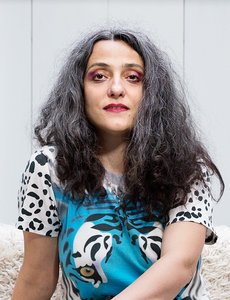
maja vukoje
1969 - , Germany
Quick Facts
- Artistic Movement Or Style: Silhouettist, installation artist
- Artists Or Movements Influenced By This Artist: ['Fons Americanus']
- Artists Who Influenced This Artist: ['Augustus Saint-Gaudens']
- Date Of Birth: November 26, 1969
- Full Name: Kara Elizabeth Walker
- Nationality: American
- Notable Artworks:
- Darkytown Rebellion
- no place (like home)
- Place Of Birth: United States
Related Articles
Grant Wood & American Regionalism: Identity, Myth & the Rural Landscape
Explore the world of Grant Wood & American Regionalism with ArtsDot. Discover the symbolism behind 'American Gothic', recurring themes, and the movement's lasting impact on art history. High-quality reproductions available.
American Realism's Defining Works: 10 Masterpieces for Your Home
Explore 10 defining American Realism masterpieces – Hopper, Homer & more. Discover the stories behind these iconic paintings and bring timeless art to your home with ArtsDot's museum-quality reproductions. Explore the full collection online.
William Aiken Walker: A Southern Luminist's Vision of River Life & Antebellum Society
Explore the evocative paintings of William Aiken Walker, a master of Southern Luminism. Discover his poignant depictions of post-Civil War life, African American culture & antebellum landscapes. Learn about this important artist's legacy.
Winslow Homer's Masterpieces: 25 Iconic Paintings & Their Enduring Legacy | ArtsDot
Explore 25 iconic Winslow Homer paintings – from dramatic seascapes to poignant genre scenes. Discover the stories behind American realism's master & find museum-quality reproductions for your home at ArtsDot.com.
Echoes of Place: Regionalism & American Identity in Interwar Art
Explore the rise of American Regionalism in interwar art! Discover Grant Wood, Thomas Hart Benton & the movement's impact on American identity. Expert analysis & historical context.