

 Preview
 Send
Send Share
Share
 Details

 Download
 Similars
 X-Ray
X-Ray Diaporama
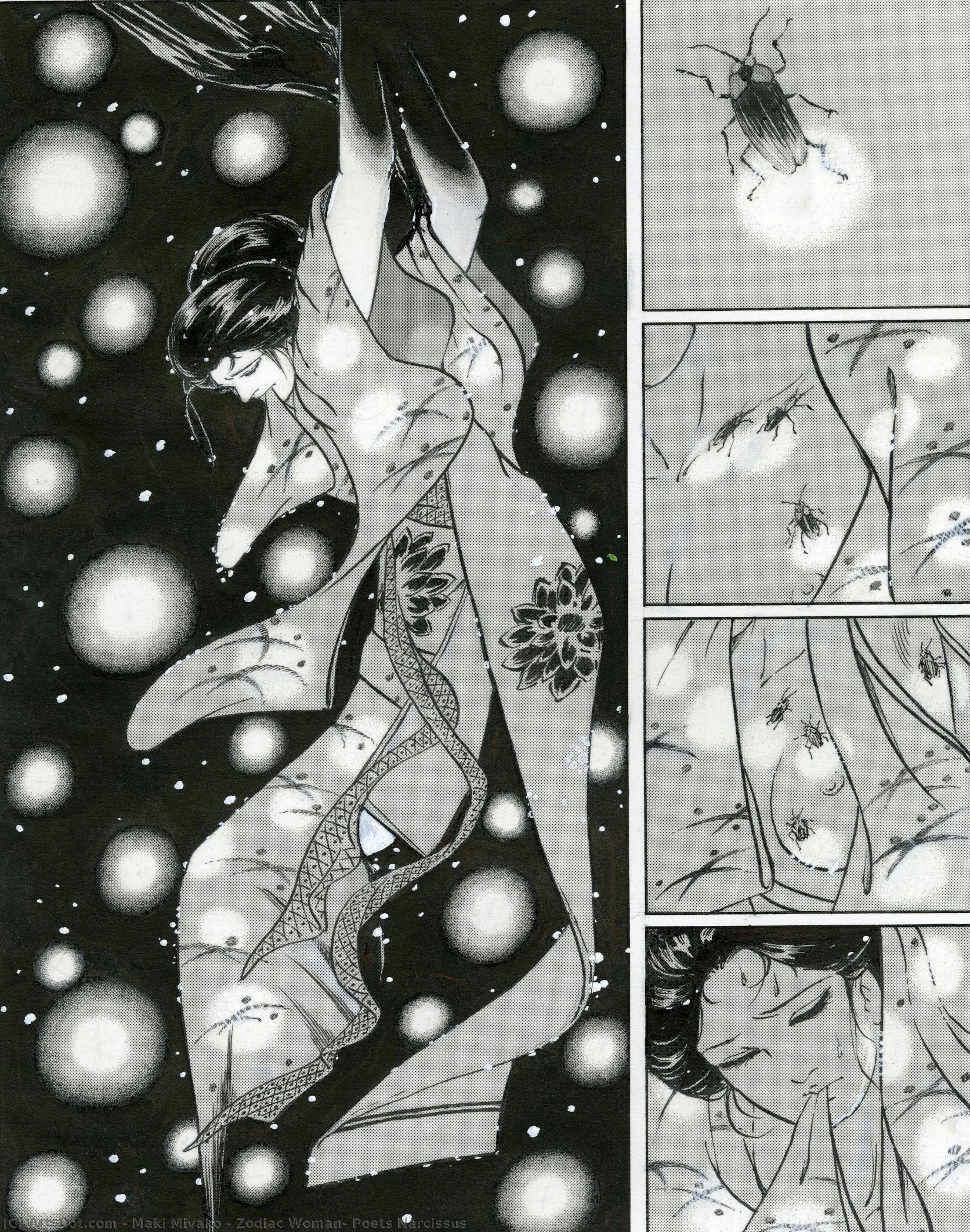
Zodiac Woman: Poets Narcissus
 Read More
Purchase a high-resolution, enhanced digital image, far superior to the online preview.
Each file is meticulously prepared by our in-house specialists using advanced tools and expert manual retouching. We ensure every image has exceptional clarity, precise color accuracy, and fine detail.
The final file is delivered via email within 72 hours, optimized for immediate use in professional, editorial, and print environments. This is the same quality trusted by top-tier design studios, publishers, and galleries.
Digital Image
Download a high-resolution file for personal display, printing, and creative projects. ( Buy Print Buy Hand Made Painting)
Included in Every Digital Image Order
Expert Digital Delivery, Guaranteed
When you choose ArtsDot.com, you're not just getting an image - you're receiving a professionally enhanced digital artwork, crafted with precision and backed by a satisfaction guarantee. Here's everything that comes with your order, automatically:

Fast Email Delivery
Your high-resolution digital image file will be emailed to you within 72 hours of ordering - ready for immediate use.

AI-Enhanced Digital File
Your artwork is professionally optimized using advanced AI tools and manual editing, ensuring maximum detail, clarity, and color accuracy.

Free Lifetime Re-Delivery
Accidentally deleted or lost your file? No worries - we'll resend it to you anytime, free of charge.

No Import Fees - Ever
Enjoy your artwork instantly with zero customs, duties, or delivery fees - digital downloads are always tax-free.

Color Accuracy Guarantee
We ensure your digital image reflects the original colors as closely as possible using professional tools and color management.

60-Day Satisfaction Guarantee
If you're not satisfied with your digital image, we'll revise it or refund 100% within 60 days - no questions asked.

100% Money-Back Guarantee
Not satisfied? Get a full refund within 60 days of receiving your digital file - no questions asked.

Bulk Order Discounts
Buy 3 images, save 10% - Buy 5, save 15% - Buy 10+, save 20%. Great for creative projects, galleries, and agencies.
Related Artworks








Artist Biography
The Architect of Emotion: The Legacy of Miyako Maki
In the vibrant tapestry of postwar Japanese culture, few figures have woven as much emotional depth and stylistic innovation as Miyako Maki. Born in 1935, Maki emerged during a transformative era for Japanese visual storytelling, stepping into a landscape that was rapidly evolving from simple gag strips into complex narrative art. Her journey into the world of manga was not one of childhood obsession, but rather a profound discovery made upon graduating high school. Coming from a family involved in book distribution, she was uniquely positioned to witness the burgeoning potential of the medium. This early exposure allowed her to recognize manga not merely as entertainment, but as a sophisticated vehicle for human expression—a realization that would eventually lead her to become one of the most influential female voices in the history of shōjo manga.
Maki’s artistic DNA was deeply influenced by an early fascination with the grace and precision of ballet. This passion for movement and delicate form became a cornerstone of her aesthetic, imbuing her illustrations with a meticulous attention to detail that captured the fluid elegance of her characters. While she drew technical inspiration from the legendary Osamu Tezuka, Maki sought to transcend his dynamic, cinematic techniques by embracing a more decorative and emotionally resonant approach. Her work helped bridge the gap between traditional storytelling and the emerging sutairu-ga style, where the emphasis shifted toward magnifying the internal psychological states of her protagonists through exquisite line work and atmospheric composition.
Pioneering New Frontiers in Manga and Beyond
As her career progressed through the 1960s, Maki became a central figure in redefining the boundaries of the genre. Alongside her long-time collaborator and husband, the renowned Leiji Matsumoto, she participated in groundbreaking projects such as Galaxy Warrior, which pushed shōjo narratives into more expansive, adventurous territories. However, it was her ability to navigate different demographics that truly cemented her historical significance. While she is celebrated for her haha-mono works—stories centered on the profound and often bittersweet bonds of family and maternal love—she also possessed a fearless creative spirit that led her toward the darker, more mature realms of gekiga and redikomi.
This versatility allowed her to explore complex psychological dilemmas and adult themes, challenging the notion that manga for young women had to be limited to simple romances. Her ability to transition from the delicate beauty of shōjo to the gritty realism of gekiga demonstrated a profound mastery of tone and subject matter. Beyond the printed page, Maki’s creative vision extended into the tangible world of design. She was the visionary creator behind Licca-chan, one of Japan's most beloved fashion dolls. This achievement stands as a testament to her ability to translate her aesthetic sensibilities into a cultural phenomenon that resonated with generations of children, rivaling even the global popularity of Barbie.
A Lasting Impression on Visual Storytelling
The historical importance of Miyako Maki lies in her role as a pioneer who expanded the vocabulary of Japanese comics. Her contributions were not merely stylistic but structural, introducing a level of sophisticated drama that anticipated the modern era of women's comics. Through her series of zodiac-based dramas published in Women Themselves, she explored the intricate lives and loves of young women with a nuance that was ahead of its time. Her accolades, including the prestigious Shogakukan Manga Award and the Japan Cartoonists Association Award, serve as formal recognition of a career that fundamentally altered the landscape of the medium.
Today, Maki’s influence can be seen in the works of countless contemporary manga artists who continue to utilize her techniques of emotional magnification and narrative depth. Her legacy is one of courage—the courage to experiment with new genres, the courage to explore the complexities of the human heart, and the courage to establish a permanent place for female perspectives in the grand canon of Japanese art. Through her delicate lines and profound themes, she remains an eternal architect of the Japanese imagination.
maki miyako
1935 - , Japan
Quick Facts
- Artistic Movement Or Style: Shōjo manga; Gekiga; Redikomi
- Artists Or Movements Influenced By This Artist: ['Ballet']
- Artists Who Influenced This Artist: ['Leiji Matsumoto']
- Date Of Birth: July 29, 1935
- Full Name: Miyako Maki
- Nationality: Japanese
- Notable Artworks:
- Zodiac Woman: Poets Narcissus
- Maki’s Whistle
- Place Of Birth: Tokyo, Japan

