 Preview
 Send
Send Share
Share
 Details

 Download
 Similars
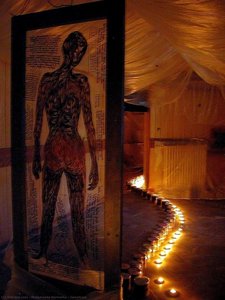
 X-Ray
X-Ray Diaporama
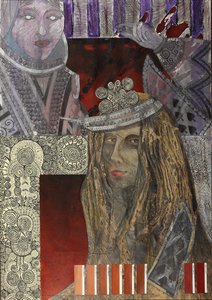
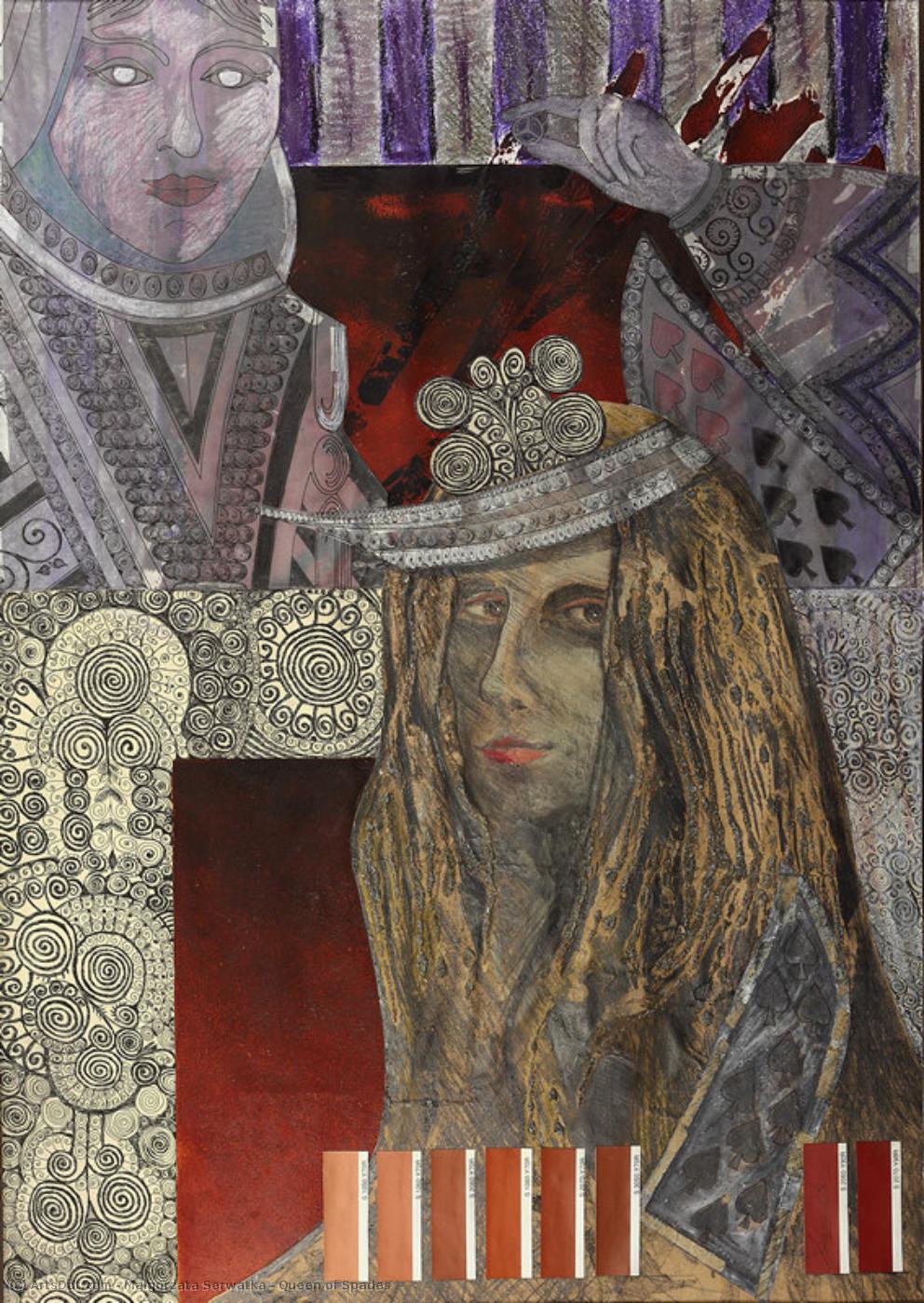
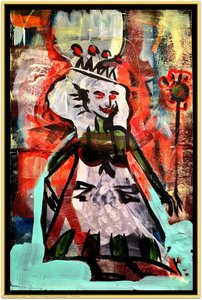
Queen of Spades
 2012
2012 80.0 x 60.0 cm
 Read More
Giclée / Art Print
Museum-quality giclée or canvas print with fast production and flexible finish options. ( Buy Hand Made Painting Buy Image)




































Pick from our preset sizes that match the artwork's original proportions.

You may enter your own dimensions to fit a specific frame or space. If your selected size does not match the original image's proportions, we will either crop the artwork or extend the image with a mirrored or solid-fill edge. A digital mockup will be sent for your approval before production begins.
Please note that the on-screen preview does not reflect the actual cropping or extension. Only the mockup will accurately show the final composition.
While custom sizes are available, we recommend selecting a dimension from the predefined list to preserve the original proportions.
Worldwide Delivery () in 2 weeks instead of standard 4/5 weeks. (23 August)

Free Worldwide Express Shipping

High-Quality Linen Canvas

Full Shipping Insurance

Customs Tax Refund Guarantee

True Color Matching Guarantee

60-Day Return Policy (Defects Only)

100% Money-Back Guarantee

Bulk Discount Offer
 Glass option is only available in size under 110 CM

Queen of Spades
Giclée / Art Print
Reproduction Size
-


Total Price
$ 63
Related Artworks






Artist Biography
A Life Etched in Memory: The World of Małgorzata Serwatka-Kopacewicz
Małgorzata Serwatka-Kopacewicz, born in Warsaw, Poland in 1960, is a contemporary artist whose work delves into the fragile and often elusive nature of identity, memory, and the human condition. Her paintings aren’t simply representations; they are excavations of inner landscapes, imbued with a haunting stillness that draws viewers into a realm of contemplation. Growing up in post-war Poland undoubtedly shaped her artistic sensibility, fostering an awareness of loss, displacement, and the weight of history—themes that resonate powerfully throughout her oeuvre. While biographical details remain somewhat private, it’s clear that Serwatka-Kopacewicz's art is deeply personal, a visual diary reflecting both individual experience and collective trauma. She doesn’t offer easy answers or straightforward narratives; instead, she presents fragmented scenes, ambiguous figures, and evocative color palettes that invite interpretation and emotional resonance.The Evolution of a Vision: From Early Influences to Distinctive Style
Serwatka-Kopacewicz's artistic journey has been one of quiet but determined evolution. Her early work hinted at the figurative style she would later master, though initially explored with a broader range of techniques and subject matter. It wasn’t until the late 1990s and early 2000s that her signature aesthetic began to emerge—characterized by muted tones, elongated figures, and a palpable sense of psychological tension. Influences are difficult to pinpoint definitively; however, one can detect echoes of Edward Hopper's melancholic realism and the introspective portraits of Lucian Freud. However, Serwatka-Kopacewicz transcends mere imitation, forging her own unique path by focusing on the interiority of her subjects rather than external appearances. She often employs a limited color palette—grays, ochres, blues, and browns—to create an atmosphere of subdued emotion. Her brushwork is deliberate yet fluid, allowing for both precise detail and expressive abstraction.Recurring Themes: Identity, Confabulation, and the Weight of the Past
Central to Serwatka-Kopacewicz’s work is the exploration of identity—not as a fixed entity but as a constantly shifting construct shaped by memory, experience, and perception. Her figures often appear isolated or lost in thought, their faces obscured or rendered with an unsettling ambiguity. This deliberate lack of clarity invites viewers to project their own emotions and interpretations onto the canvas. The concept of “confabulation”—the creation of false memories—is also a recurring motif. Her paintings suggest that memory is not a reliable record of events but rather a subjective reconstruction, prone to distortion and embellishment. This theme is particularly evident in works like "Waiting Room" (2006), where the setting itself feels dreamlike and disorienting, hinting at the unreliability of recollection. The past isn’t simply revisited; it's reimagined, reinterpreted, and ultimately transformed into something new.Major Achievements and Critical Reception
While Serwatka-Kopacewicz maintains a relatively low public profile, her work has garnered significant critical acclaim internationally. She has exhibited in numerous galleries and museums across Europe and North America, earning recognition for her evocative paintings and insightful exploration of the human psyche. “Waiting Room” remains one of her most celebrated works, praised for its haunting atmosphere and psychological depth.- Her paintings have been included in several prestigious private collections.
- She has received numerous awards and grants supporting her artistic endeavors.
- Art critics consistently highlight the emotional power and technical skill of her work.
Historical Significance: A Voice for Contemporary Introspection
In an era often dominated by spectacle and instant gratification, Małgorzata Serwatka-Kopacewicz stands as a powerful voice for contemporary introspection. Her work reminds us of the importance of slowing down, looking inward, and grappling with the complexities of human experience. She challenges conventional notions of identity and memory, suggesting that these are not fixed entities but rather fluid constructs shaped by subjective perception. Her paintings offer a poignant commentary on the weight of history and the enduring power of trauma. As we navigate an increasingly fragmented world, Serwatka-Kopacewicz’s art serves as a vital reminder of our shared humanity—our vulnerabilities, our anxieties, and our capacity for both resilience and despair. Her legacy will undoubtedly lie in her ability to create paintings that are not merely seen but *felt*, resonating with viewers long after they have left the gallery walls.
małgorzata serwatka-kopacewicz
1960 - , Poland
Quick Facts
- Artistic Movement Or Style: Contemporary Art
- Date Of Birth: 1960
- Date Of Death: Living
- Full Name: Małgorzata Serwatka-Kopacewicz
- Nationality: Polish
- Notable Artworks (List Of Titles): ['Waiting Room (2006)']
- Place Of Birth (City And Country): Warsaw, Poland