

 Preview
 Send
Send Share
Share
 Details

 Download
 Similars
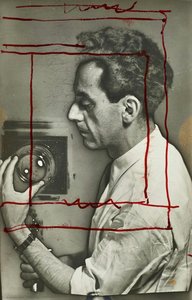
 X-Ray
X-Ray Diaporama
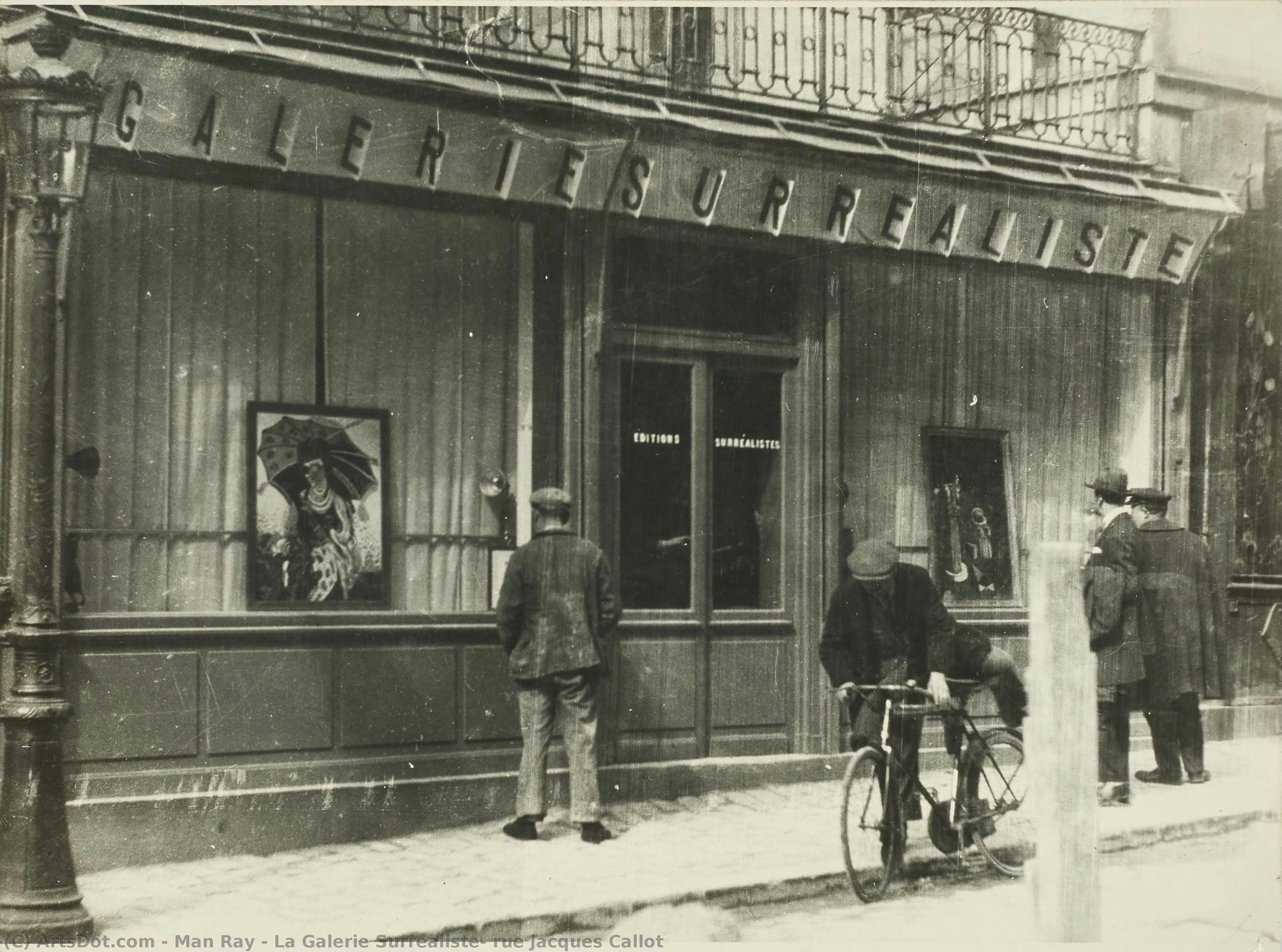
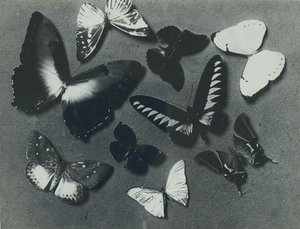
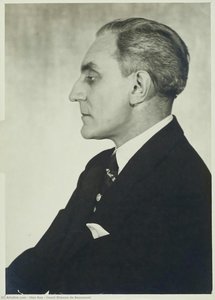
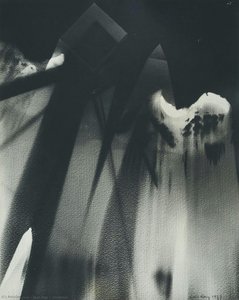
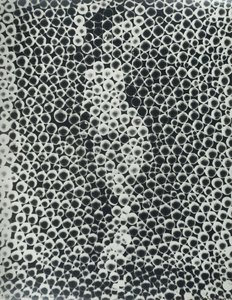
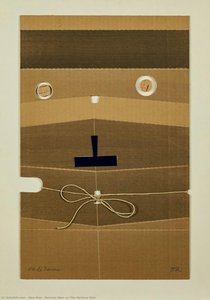
La Galerie Surréaliste, rue Jacques Callot


 Read More
Purchase a high-resolution, enhanced digital image, far superior to the online preview.
Each file is meticulously prepared by our in-house specialists using advanced tools and expert manual retouching. We ensure every image has exceptional clarity, precise color accuracy, and fine detail.
The final file is delivered via email within 72 hours, optimized for immediate use in professional, editorial, and print environments. This is the same quality trusted by top-tier design studios, publishers, and galleries.
Digital Image
Download a high-resolution file for personal display, printing, and creative projects. ( Buy Print Buy Hand Made Painting)
Included in Every Digital Image Order
Expert Digital Delivery, Guaranteed
When you choose ArtsDot.com, you're not just getting an image - you're receiving a professionally enhanced digital artwork, crafted with precision and backed by a satisfaction guarantee. Here's everything that comes with your order, automatically:

Fast Email Delivery
Your high-resolution digital image file will be emailed to you within 72 hours of ordering - ready for immediate use.

AI-Enhanced Digital File
Your artwork is professionally optimized using advanced AI tools and manual editing, ensuring maximum detail, clarity, and color accuracy.

Free Lifetime Re-Delivery
Accidentally deleted or lost your file? No worries - we'll resend it to you anytime, free of charge.

No Import Fees - Ever
Enjoy your artwork instantly with zero customs, duties, or delivery fees - digital downloads are always tax-free.

Color Accuracy Guarantee
We ensure your digital image reflects the original colors as closely as possible using professional tools and color management.

60-Day Satisfaction Guarantee
If you're not satisfied with your digital image, we'll revise it or refund 100% within 60 days - no questions asked.

100% Money-Back Guarantee
Not satisfied? Get a full refund within 60 days of receiving your digital file - no questions asked.

Bulk Order Discounts
Buy 3 images, save 10% - Buy 5, save 15% - Buy 10+, save 20%. Great for creative projects, galleries, and agencies.
Collectible Description
La Galerie Surréaliste et l'Étoile Scellée : Un Voyage au Cœur de la Créativité Dadaiste
La Galerie Surréaliste, située rue Jacques Callot à Paris, fut bien plus qu’une simple adresse artistique ; elle incarnait les aspirations radicales d’une génération marquée par les bouleversements du début du XXe siècle. Fondée en 1926 et dirigée avec passion par Marcel Duchamp et Sophie Babet, cette galerie devint un véritable laboratoire d'expérimentation esthétique et intellectuelle au sein du mouvement Dadaiste et Surrealiste. Son lancement fut une déclaration audacieuse : une volonté de remettre en question les normes établies et d’embrasser une nouvelle forme d’expression artistique libre des contraintes traditionnelles. Cette galerie accueillait des œuvres originales et innovantes, reflétant la diversité des préoccupations artistiques de l'époque et témoignant de l'énergie créatrice qui animait les milieux intellectuels européens.- Les Fondateurs : Marcel Duchamp et Sophie Babet étaient deux figures emblématiques du mouvement Dadaiste, dont le but était de provoquer une réaction contre la guerre et la société bourgeoise. Leur engagement artistique et leur sensibilité critique furent au cœur de l'esprit de la galerie.
- L’Adresse : Située dans le quartier bohème parisien du Marais, la Galerie Surréaliste bénéficiait d’une atmosphère stimulante et propice à la création artistique. Cette localisation géographique reflétait les valeurs du mouvement Dadaiste : liberté individuelle, rejet des conventions sociales et ouverture aux idées nouvelles.
- Les Expositions : Les expositions organisées à la galerie étaient une véritable célébration de l'art brut et de l’expérimentation artistique. Elles accueillaient des œuvres originales réalisées par jeunes artistes émergents et établis, explorant les limites de la peinture et de la sculpture avec une audace sans égale.
Man Ray : L'Innovateur Photographique au Service du Surrealisme
L’artiste américain Man Ray (1890-1976) joua un rôle essentiel dans l’histoire de la photographie et contribua à transformer son statut en une forme d’art autonome. Inspiré par les idées Dadaistes proposées par Marcel Duchamp, il abandonna les conventions picturales pour embrasser une nouvelle esthétique basée sur la lumière et l'ombre, utilisant des techniques innovantes telles que le rayographie et la solaireisation. Cette approche expérimentale lui permit de capturer des phénomènes visuels inédits et d’explorer les profondeurs de l’inconscient humain. Ses œuvres sont devenues des références incontournables pour les photographes contemporains et témoignent de la puissance de la création artistique au travers d'un nouveau médium.- Les Techniques : Man Ray maîtrisait parfaitement les techniques photographiques avancées de son temps, notamment le rayographie (également appelé photographie solaire), qui utilisait une feuille métallique recouverte de particules sensibles à la lumière pour créer des images originales et imprévisibles.
- L’Influence Dadaiste : Son engagement dans le mouvement Dada lui permit de remettre en question les normes esthétiques établies et d’ouvrir la voie à une nouvelle forme d'expression artistique libre des contraintes traditionnelles.
- Les Œuvres Marquantes : Parmi ses œuvres les plus célèbres figurent "La Galerie Surréaliste, rue Jacques Callot" (1926), où il représente une scène urbaine avec une précision remarquable et une attention particulière aux détails atmosphériques, ainsi que "Le Retour à la Raison" (1937), une œuvre abstraite qui reflète les préoccupations philosophiques du mouvement Surrealiste.
Symbolisme et Émotion : Une Nouvelle Vision de l’Art
Les œuvres présentées à la Galerie Surréaliste étaient imprégnées d'une profonde sensibilité émotionnelle et intellectuelle, exprimant les préoccupations esthétiques et philosophiques de l’époque. Les artistes cherchaient à dépasser les limites du réel pour accéder à une autre réalité intérieure, explorant les rêves, les fantasmes et les instincts primitifs avec une liberté sans égale. Cette approche artistique audacieuse reflétait la volonté de remettre en question les valeurs dominantes de la société et d’ouvrir la voie à une nouvelle esthétique basée sur l'imagination et la créativité. Les peintres et sculpteurs étaient animés par une passion pour la beauté et une conviction profonde dans la puissance de l'art comme moyen d'expression et de transformation personnelle.- Les Émotions : Les œuvres étaient conçues pour provoquer des réactions émotionnelles chez le spectateur, suscitant la joie, la tristesse, la peur ou l’émerveillement.
- La Philosophie : Elles reflétaient les idées philosophiques du mouvement Surrealiste, notamment celles de Nietzsche et Freud, qui avaient remis en question les valeurs morales et religieuses traditionnelles.
- L'Expérimentation Artistique : Les artistes étaient déterminés à explorer les limites de la création artistique avec une audace sans égale, utilisant des matériaux nouveaux et des techniques innovantes pour donner vie à leurs visions originales.
Conclusion : Un Héritage Durable dans l’Histoire de l’Art Moderne
La Galerie Surréaliste demeure un symbole de la liberté artistique et intellectuelle du début du XXe siècle, témoignant de la puissance de la création pour remettre en question les normes établies et ouvrir la voie à une nouvelle esthétique. Les œuvres exposées à cette galerie continuent d'inspirer les artistes contemporains et suscitent l’intérêt des amateurs d’art moderne, célébrant ainsi un héritage durable dans l’histoire de l’art occidental.
Artist Biography
A Life Illuminated by Shadows
Emmanuel Radnitzky, known to the world as Man Ray, was a restless spirit who defied easy categorization. Born in 1890 in Philadelphia to Russian Jewish immigrant parents, his journey from aspiring painter to pioneering photographer and filmmaker embodies the radical artistic ferment of the early 20th century. The shift from “Manny” Radnitzky to the enigmatic “Man Ray” itself speaks volumes about an artist determined to forge a new identity, one unbound by convention. His family’s move to New York City proved pivotal, exposing him to the burgeoning modernist scene and instilling in him a lifelong fascination with experimentation. Early influences included the European avant-garde showcased at Alfred Stieglitz's 291 gallery, and the gritty realism of the Ashcan School – a blend that would subtly inform his later work. Though initially dedicated to painting, it was photography that ultimately became Ray’s most potent medium for exploring the boundaries of perception and reality. He wasn't merely capturing images; he was inventing new ways of *seeing*. His early artistic endeavors were marked by a desire to break from traditional styles, influenced by his exposure to both European modernism and the raw energy of New York City life. The Ferrer Centre, with its anarchist leanings and emphasis on free expression, proved particularly formative during this period, fostering an environment where experimentation was not just encouraged but expected.Dada, Surrealism, and the Pursuit of the Impossible
Man Ray's artistic trajectory took a dramatic turn with his encounter with Marcel Duchamp in New York around 1915. This meeting sparked a shared fascination with challenging traditional notions of art, leading to explorations of “ready-mades” – ordinary manufactured objects elevated to the status of artwork. This rebellious spirit propelled Ray into the heart of the Dada movement, an anti-art protest born from the disillusionment of World War I. In 1921, he made the momentous decision to relocate to Paris, becoming a central figure in both the Dada and Surrealist circles that flourished there. While never fully aligning himself with any rigid artistic dogma, Ray embraced the Surrealists’ exploration of the unconscious mind, dreams, and the irrational. His work during this period is characterized by a dreamlike quality, often unsettling yet undeniably captivating. He wasn't interested in depicting reality as it *is*, but rather as it *feels* – fragmented, distorted, and imbued with hidden meanings. This embrace of the subconscious allowed him to move beyond mere representation towards an exploration of psychological states and emotional resonance within his art. His collaborations with other Surrealist artists, like Salvador Dalí, further solidified his position within the movement, though he always maintained a degree of independence in his artistic vision.Rayographs and the Alchemy of Light
Perhaps Man Ray is most celebrated for his invention of the “rayograph,” a cameraless photographic technique he stumbled upon almost by accident. These images—created by placing objects directly onto light-sensitive paper and exposing them to light—resulted in ethereal, ghostly compositions that defied conventional photographic representation. The rayograph wasn't simply an alternative method; it was a philosophical statement about the nature of photography itself. By eliminating the camera lens, Ray stripped away the illusion of objectivity, revealing the inherent subjectivity of the medium. These weren't representations *of* things, but rather direct imprints *from* them, imbued with a sense of mystery and otherworldliness. Beyond rayographs, his photographic portraits – particularly those of artists like Lee Miller (who would become both his muse and collaborator) – are renowned for their striking compositions and psychological depth. He experimented relentlessly with solarization, multiple exposures, and darkroom manipulation, pushing the boundaries of what photography could achieve. Solarization, in particular, became a signature technique, creating dramatic reversals of tone that added an element of the uncanny to his portraits.Beyond Stillness: Film and a Lasting Legacy
Man Ray’s artistic curiosity extended beyond still images into the realm of filmmaking. His experimental films, such as *Le Retour à la Raison* (1923) and *L'Étoile de Mer* (1928), were characterized by their surreal imagery, unconventional editing techniques, and rejection of narrative conventions. These weren’t stories told in a traditional sense; they were visual poems, explorations of form, rhythm, and the subconscious. He often employed innovative techniques like stop-motion animation and superimposition to create disorienting and dreamlike effects. Though his film work remained relatively small in volume, it was profoundly influential on subsequent generations of avant-garde filmmakers. Throughout his long career, Man Ray continued to challenge artistic norms, refusing to be confined by labels or expectations. He died in Paris in 1976, leaving behind a body of work that continues to inspire and provoke. His legacy lies not only in his technical innovations but also in his unwavering commitment to artistic freedom and his relentless pursuit of the impossible—a true pioneer who forever altered our perception of art and reality. His influence can be seen across various disciplines, from contemporary photography and film to fashion and design, demonstrating the enduring power of his vision.A Continuing Influence
- Photography: Man Ray’s techniques, particularly rayography and solarization, continue to be explored by contemporary photographers.
- Surrealism: His contributions solidified the movement's visual language and inspired countless artists across disciplines.
- Experimental Film: His pioneering work in film laid the groundwork for future generations of avant-garde filmmakers.
- Fashion Photography: Ray’s innovative approach to portraiture and composition influenced the development of modern fashion photography.
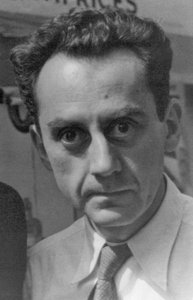
Man Ray
1890 - 1976 , United States of America
Quick Facts
- Artistic Movement Or Style: Dada, Surrealism
- Artists Or Movements Influenced By This Artist:
- Surrealism
- Experimental Film
- Artists Who Influenced This Artist: ['Marcel Duchamp']
- Date Of Birth: August 27, 1890
- Date Of Death: November 18, 1976
- Full Name: Emmanuel Radnitzky
- Nationality: American
- Notable Artworks:
- Rayographs
- Le Retour à la Raison
- L'Étoile de Mer
- Place Of Birth: Philadelphia, USA

