

 Send
Send Share
Share
 Details

 Download
 Similars
 Diaporama
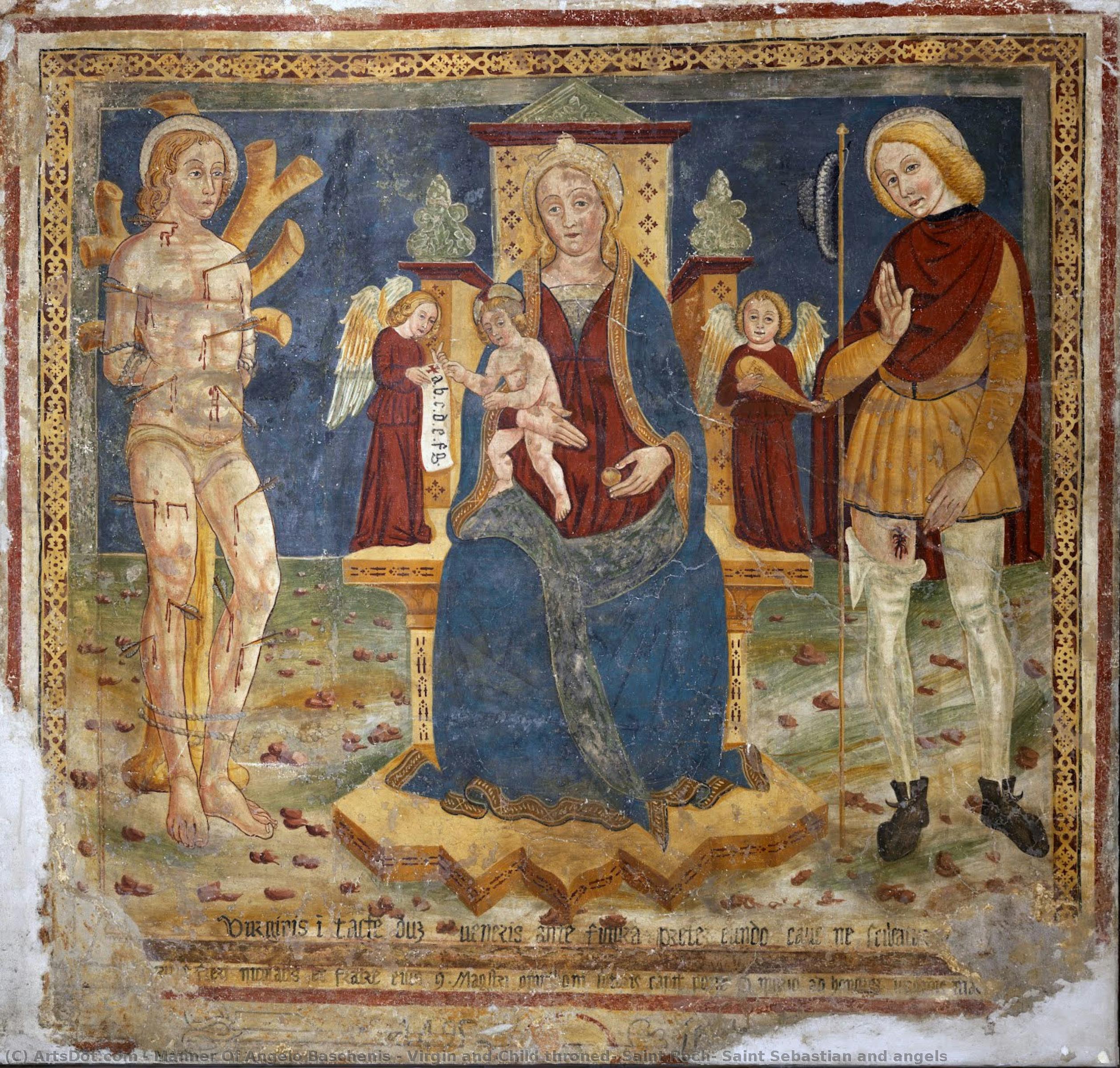
Virgin and Child throned, Saint Roch, Saint Sebastian and angels


 Read More
Purchase a high-resolution, enhanced digital image, far superior to the online preview.
Each file is meticulously prepared by our in-house specialists using advanced tools and expert manual retouching. We ensure every image has exceptional clarity, precise color accuracy, and fine detail.
The final file is delivered via email within 72 hours, optimized for immediate use in professional, editorial, and print environments. This is the same quality trusted by top-tier design studios, publishers, and galleries.
Digital Image
Download a high-resolution file for personal display, printing, and creative projects. ( Buy Print Buy Hand Made Painting)
Included in Every Digital Image Order
Expert Digital Delivery, Guaranteed
When you choose ArtsDot.com, you're not just getting an image - you're receiving a professionally enhanced digital artwork, crafted with precision and backed by a satisfaction guarantee. Here's everything that comes with your order, automatically:

Fast Email Delivery
Your high-resolution digital image file will be emailed to you within 72 hours of ordering - ready for immediate use.

AI-Enhanced Digital File
Your artwork is professionally optimized using advanced AI tools and manual editing, ensuring maximum detail, clarity, and color accuracy.

Free Lifetime Re-Delivery
Accidentally deleted or lost your file? No worries - we'll resend it to you anytime, free of charge.

No Import Fees - Ever
Enjoy your artwork instantly with zero customs, duties, or delivery fees - digital downloads are always tax-free.

Color Accuracy Guarantee
We ensure your digital image reflects the original colors as closely as possible using professional tools and color management.

60-Day Satisfaction Guarantee
If you're not satisfied with your digital image, we'll revise it or refund 100% within 60 days - no questions asked.

100% Money-Back Guarantee
Not satisfied? Get a full refund within 60 days of receiving your digital file - no questions asked.

Bulk Order Discounts
Buy 3 images, save 10% - Buy 5, save 15% - Buy 10+, save 20%. Great for creative projects, galleries, and agencies.
Related Artworks
Artist Biography
The Legacy of the Baschenis Workshop
To understand the artistry of Angelo Baschenis is to step into a world where art was not merely an individual expression, but a sacred lineage passed through generations of hands. Documented from approximately 1450 to 1504, Angelo stood as a vital pillar within one of Italy’s most remarkable families of itinerant painters. Hailing from the small hamlet of Colle in the Bergamo province, the Baschenis family operated a prolific workshop that traversed the rugged landscapes of the Val di Non and Val Rendena. This was no ordinary group of craftsmen; they were part of the Lanfranco dynasty, a lineage of artists whose dedication to the fresco medium shaped the spiritual and visual identity of the Trentino and Bergamo regions for centuries.
The life of Angelo was deeply intertwined with the traditions of his father, Giacomo, and his brother, Antonio. Growing up in an environment where the scent of wet lime and the preparation of pigments were daily realities, Angelo received a masterclass in the buon fresco technique. This training allowed him to contribute to a shared aesthetic that blended the fading echoes of Medieval Gothic traditions with the emerging light of the Renaissance. His work was characterized by a unique ability to marry monumental, rigid figures with a certain naive, heartfelt expression—a style that resonated deeply with the local communities for whom these religious narratives were both instructional and devotional.
Mastery of Fresco and Symbolic Narrative
The artistry of the Baschenis manner is defined by its exquisite attention to ornamental detail and its ability to transform cold stone walls into luminous, heavenly realms. Angelo’s technique often involved a sophisticated layering process, utilizing buon fresco for the primary composition and applying dry finishing techniques to capture the delicate nuances of texture and light. One of the most captivating elements of his style was the use of stencils, or stampi, to create intricate floral friezes, architectural frames, and swirling girali motifs that framed sacred scenes with a sense of rhythmic elegance.
His notable works serve as windows into the spiritual psyche of the late 15th century. In the monumental fresco “Virgin and Child throned, Saint Roch, Saint Sebastian and angels,” originally located in the chapel of San Defendente, one can witness his mastery of composition. The painting is not merely a religious icon but a complex narrative tapestry; for instance, an angel handing Jesus a scroll with the alphabet serves as a poignant reference to apocryphal Gospels. Such details demonstrate how Angelo and his workshop utilized subtle symbolism to connect the earthly viewer to the divine, often incorporating elements that reflected the lives of their patrons, such as the presence of scissors hinting at the trade of a local master shoemaker.
Historical Significance and Artistic Endurance
The historical importance of Angelo Baschenis lies in his role as a bridge between eras. While much of the art world was moving toward the high-classical ideals of the High Renaissance, the Baschenis workshop maintained a profound connection to the regional, decorative, and devotional needs of the Alpine valleys. His ability to collaborate—often working alongside his own son on projects in Ornica and San Defendente—ensured that the stylistic hallmarks of the family remained consistent and influential across decades.
Today, the traces of his hand can still be found in preserved fragments and detached frescoes that have been rescued from demolished structures. His legacy is not found in a single museum masterpiece, but in the very fabric of the Italian landscape. Through his work, we see:
- The preservation of regional identity: Maintaining a distinct stylistic voice that honored local traditions.
- Technical excellence: The sophisticated use of stenciling and mixed-media fresco techniques.
- A familial devotion to art: The successful continuation of a multi-generational workshop that defined an entire era of itinerant painting.
Angelo Baschenis remains a testament to the power of tradition, reminding us that the most enduring art is often that which is rooted deeply in the community and the lineage from which it sprang.

Quick Facts
- Artistic Movement Or Style: Mannerism
- Artists Or Movements Influenced By This Artist: ['Renaissance']
- Artists Who Influenced This Artist: ['Antonio Baschenis']
- Full Name: Angelo Baschenis
- Nationality: Italian
- Notable Artworks: ['Virgin and Child throned, Saint Roch, Saint Sebastian and angels']
- Place Of Birth: Colle, Italy

