 Preview
 Send
Send Share
Share
 Details

 Download
 Similars
 X-Ray
X-Ray Diaporama
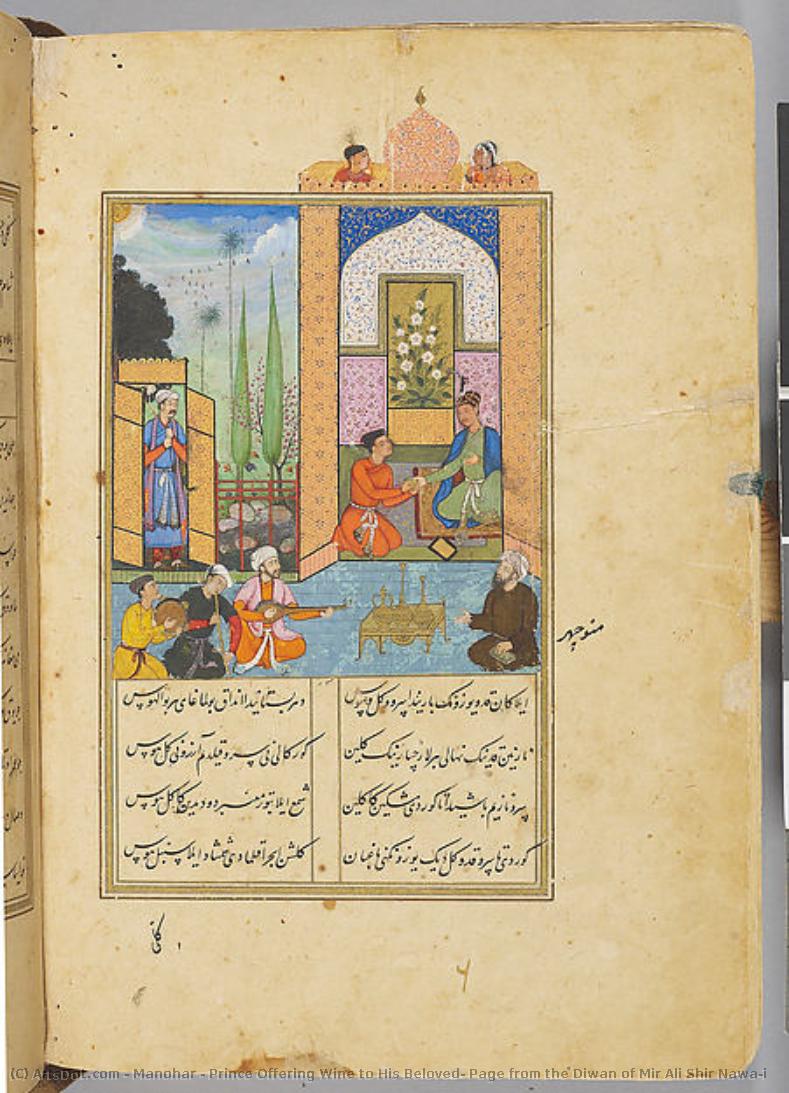
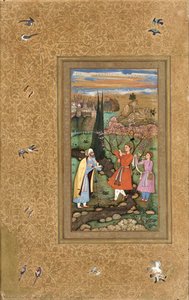
Prince Offering Wine to His Beloved: Page from the Diwan of Mir Ali Shir Nawa'i
 1606
1606 32.0 x 23.0 cm
 Read More
Hand Made Oil Reproduction
Hand-painted oil on canvas in your size and frame, made to order by our artists. ( Buy Print Buy Image)




































Pick from our preset sizes that match the artwork's original proportions.

You may enter your own dimensions to fit a specific frame or space. If your selected size does not match the original image's proportions, we will either crop the artwork or extend the painting with additional hand-painted elements. A digital mockup will be sent for your approval before production begins.
Please note that the on-screen preview does not reflect the actual cropping or extension. Only the mockup will accurately show the final composition.
While custom sizes are available, we recommend selecting a dimension from the predefined list to preserve the original proportions.
After order, ArtsDot.com team will email client for instructions and provide a mockup preview
Worldwide Delivery () in 3/4 weeks instead of standard 5 weeks. (23 August). No compromise on quality.

Free Worldwide Express Shipping

High-Quality Linen Canvas

Full Shipping Insurance

Customs Tax Refund Guarantee

True Color Matching Guarantee

60-Day Return Policy (Defects Only)

100% Money-Back Guarantee

Bulk Discount Offer
 Glass option is only available in size under 110 CM

Prince Offering Wine to His Beloved: Page from the Diwan of Mir Ali Shir Nawa'i
Reproduction Medium
Reproduction Size
-


Total Price
$ 263
Artwork Description
Related Artworks




Artist Biography
Manohar: A Mughal Master of Detail
Manohar was an Indian painter who flourished during the Mughal era, leaving behind a legacy of exquisite manuscript illustrations and portraits that continue to captivate art historians today. Born in New Delhi, India, his artistic journey began under the tutelage of his father, Basavan, a celebrated Mughal artist himself—a lineage steeped in tradition and masterful technique. This formative influence shaped Manohar’s distinctive style, characterized by vibrant colors, painstaking detail, and a harmonious blend of Indian and Persian artistic sensibilities.Early Life and Artistic Training
Manohar's upbringing within a family dedicated to art instilled in him an unparalleled understanding of Mughal painting conventions. He honed his skills from a young age, absorbing the techniques passed down through generations—a testament to the importance of familial mentorship in preserving cultural heritage. His father’s guidance ensured he mastered the intricacies of layering pigments, achieving luminous effects and capturing subtle nuances of expression – skills that would become hallmarks of Manohar's oeuvre.The Mughal Court Service
Manohar ascended to prominence as a court painter for Akbar and Jahangir—two pivotal figures in Mughal history who championed artistic innovation while upholding royal patronage. Akbar’s reign witnessed a flourishing of arts, fostering experimentation alongside adherence to established styles. Manohar skillfully navigated this dynamic environment, producing works that reflected both the grandeur of the imperial court and the evolving aesthetic tastes of the time. His commissions served not only to adorn palaces but also to document significant historical events and celebrate royal achievements.Artistic Style and Notable Works
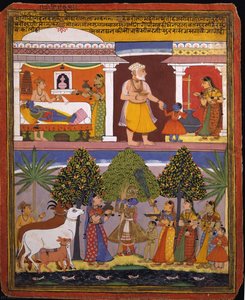
Manohar’s artistic style is instantly recognizable for its meticulous attention to detail—a characteristic that distinguishes him from many contemporaries. He employed a vibrant palette, skillfully blending hues to create captivating visual narratives. Perhaps his most celebrated accomplishments include illustrations from the Sur Sagar manuscript housed in the Toledo Museum of Art, depicting scenes from Krishna's childhood with breathtaking accuracy and emotional depth. Similarly, “Prince Offering Wine to His Beloved: Page from the Diwan of Mir Ali Shir Nawa’i,” created in 1606 using watercolor, exemplifies his mastery of composition and portraiture—a poignant portrayal capturing a moment of aristocratic intimacy.Legacy and Influence
Manohar's contribution to Mughal art is undeniable, securing his place as one of the era’s foremost painters. His works stand as enduring symbols of artistic excellence and cultural heritage, inspiring artists across subsequent generations. The meticulous craftsmanship evident in his paintings—particularly the luminous colors and intricate ornamentation—continues to influence contemporary practitioners. Manohar’s legacy extends beyond individual masterpieces; he embodies the spirit of Mughal patronage and represents a pivotal moment in Indian art history—a testament to the enduring power of artistic tradition.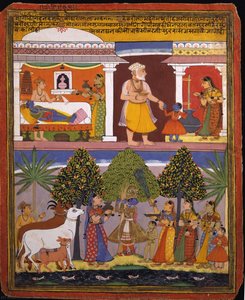
manohar
India
Quick Facts
- Artistic Movement Or Style: Mughal
- Artists Or Movements Influenced By This Artist: ['Mughal']
- Artists Who Influenced This Artist: ['basavan']
- Date Of Death: Living
- Full Name: manohar Gopalkrishna Prabhu
- Nationality: Indian
- Notable Artworks:
- Prince Offering Wine to His Beloved: Page from the Diwan of Mir Ali Shir Nawa'i
- Scenes from the Childhood Krishna, from a Sur Sagar Manuscript
- Place Of Birth: New Delhi, India