 Preview
 Send
Send Share
Share
 Details

 Download
 Similars
 X-Ray
X-Ray Diaporama
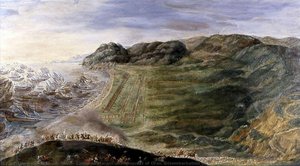
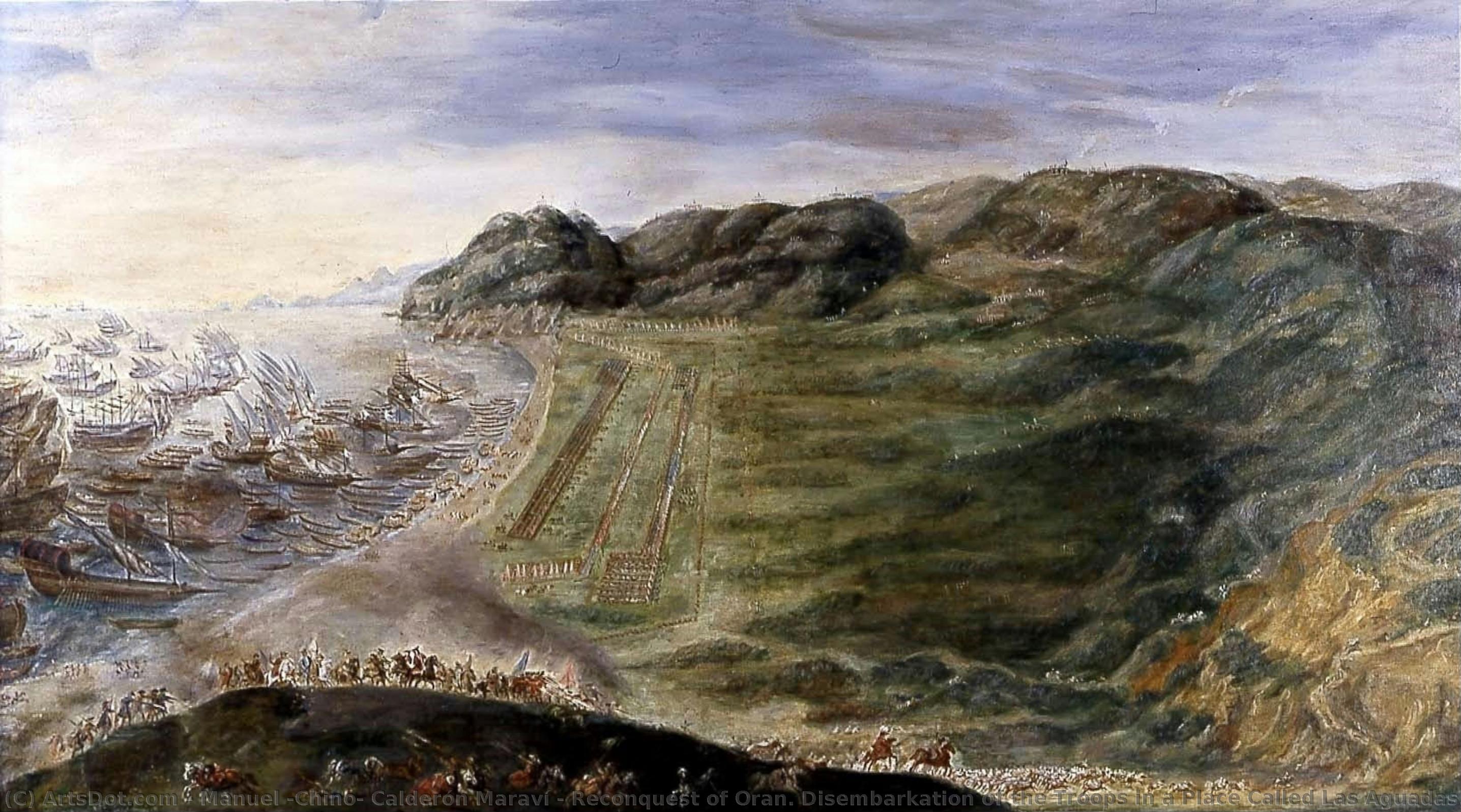
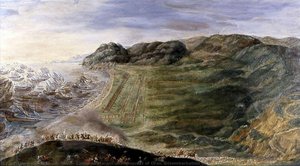
Reconquest of Oran. Disembarkation of the Troops in a Place Called Las Aguadas.

 Read More
Giclée / Art Print
Museum-quality giclée or canvas print with fast production and flexible finish options. ( Buy Hand Made Painting Buy Image)




































Pick from our preset sizes that match the artwork's original proportions.

You may enter your own dimensions to fit a specific frame or space. If your selected size does not match the original image's proportions, we will either crop the artwork or extend the image with a mirrored or solid-fill edge. A digital mockup will be sent for your approval before production begins.
Please note that the on-screen preview does not reflect the actual cropping or extension. Only the mockup will accurately show the final composition.
While custom sizes are available, we recommend selecting a dimension from the predefined list to preserve the original proportions.
Worldwide Delivery () in 2 weeks instead of standard 4/5 weeks. (5 September)

Free Worldwide Express Shipping

High-Quality Linen Canvas

Full Shipping Insurance

Customs Tax Refund Guarantee

True Color Matching Guarantee

60-Day Return Policy (Defects Only)

100% Money-Back Guarantee

Bulk Discount Offer
 Glass option is only available in size under 110 CM

Reconquest of Oran. Disembarkation of the Troops in a Place Called Las Aguadas.
Giclée / Art Print
Reproduction Size
-


Total Price
$ 63
Related Artworks








Artist Biography
A Rising Voice in Peruvian Historical Painting: Manuel ‘Chino’ Calderón Maraví
Born in Lima, Peru, in 1990, Manuel ‘Chino’ Calderón Maraví is a contemporary artist rapidly gaining recognition for his compelling depictions of historical events. While relatively young, Calderón has already established himself as a significant figure within the Peruvian art scene, particularly noted for his dramatic and meticulously researched paintings that bring pivotal moments in Peru's past to life. Interestingly, before dedicating himself fully to painting, Calderón pursued a career as a professional footballer, playing center back for Deportivo Llacuabamba in Liga 1. This unique background—the discipline, teamwork, and physical awareness honed on the pitch—seemingly inform his artistic process, lending a dynamic energy and compositional strength to his canvases. His debut into the professional football world occurred in 2008 during the Universitario - Sporting Cristal derby, marking an early chapter of public exposure before his focus shifted towards the visual arts.Early Influences and Artistic Development
Calderón’s artistic journey wasn't a sudden pivot but rather a gradual evolution fueled by a deep fascination with Peruvian history and a desire to visually narrate its complexities. While formal art training details remain somewhat private, it is evident that his work draws heavily from the traditions of historical painting—specifically, the grand narratives and dramatic chiaroscuro techniques employed by European masters like Caravaggio and Rembrandt. However, Calderón doesn’t simply replicate these styles; he infuses them with a distinctly Peruvian sensibility, focusing on events often overlooked or underrepresented in mainstream art history. His early works demonstrate a commitment to realism, characterized by detailed depictions of figures, costumes, and landscapes. This dedication to accuracy is not merely aesthetic but serves as a foundation for conveying the weight and significance of the historical moments he portrays.The Reconquest of Oran: A Defining Work
Perhaps Calderón’s most recognized piece is “Reconquest of Oran. Disembarkation of the Troops in a Place Called Las Aguadas.” This oil painting, completed in 1994, depicts a crucial event in Spanish-Peruvian history—the recapture of Oran from Algerian forces in 1732. The scene bursts with action and tension; Spanish cavalry charge towards retreating Algerians on a beach teeming with over 25,000 soldiers preparing to disembark from galleys protecting the landing. What sets Calderón’s rendition apart is not just its technical skill—the dynamic composition, masterful use of light and shadow, and attention to detail—but also its emotional depth. The painting doesn't glorify war but rather presents a complex tableau of courage, conflict, and human struggle. It’s a powerful statement about the enduring legacy of colonialism and the sacrifices made during periods of upheaval. The work is based on an original by Domenico Maria Sani (1690–1773), demonstrating Calderón's engagement with art historical precedents while simultaneously imbuing the scene with his own unique perspective.Themes, Style, and Historical Significance
Calderón’s oeuvre consistently revolves around themes of national identity, colonial history, and the often-unacknowledged narratives within Peru’s past. His style is marked by a blend of realism and dramatic intensity, reminiscent of Baroque painting but infused with a contemporary sensibility. He meticulously researches each subject, ensuring historical accuracy in his depictions of uniforms, weaponry, and landscapes. This commitment to detail isn't simply about recreating the past; it’s about honoring the individuals involved and conveying the weight of their experiences. His work challenges viewers to confront uncomfortable truths about Peru’s history, prompting reflection on issues of power, colonialism, and cultural identity. Calderón’s paintings serve as a visual counter-narrative, offering alternative perspectives on events often presented through a Eurocentric lens. He is not merely illustrating history; he is actively reinterpreting it, giving voice to marginalized stories and fostering a deeper understanding of Peru's complex heritage.Current Status and Future Prospects
As of 2026, Manuel ‘Chino’ Calderón Maraví continues to live and work in Lima, Peru, with one artwork currently featured in collections. While his career is still evolving, he has already established a notable presence within the art world. His unique background—a former professional athlete turned historical painter—adds an intriguing dimension to his artistic practice.- His dedication to research and realism sets him apart.
- He skillfully blends European painting traditions with Peruvian sensibilities.
- His work challenges conventional narratives of Peruvian history.
manuel 'chino' calderón maraví
1990 - , Peru
Quick Facts
- Artistic Movement Or Style: Historical painting
- Date Of Birth: 1990
- Full Name: Manuel 'Chino' Calderón Maraví
- Nationality: Peruvian
- Notable Artworks: ['Reconquest of Oran']
- Place Of Birth: Lima, Peru