 Preview
 Send
Send Share
Share
 Details

 Download
 Similars
 X-Ray
X-Ray Diaporama
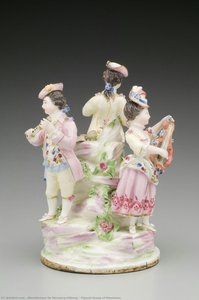
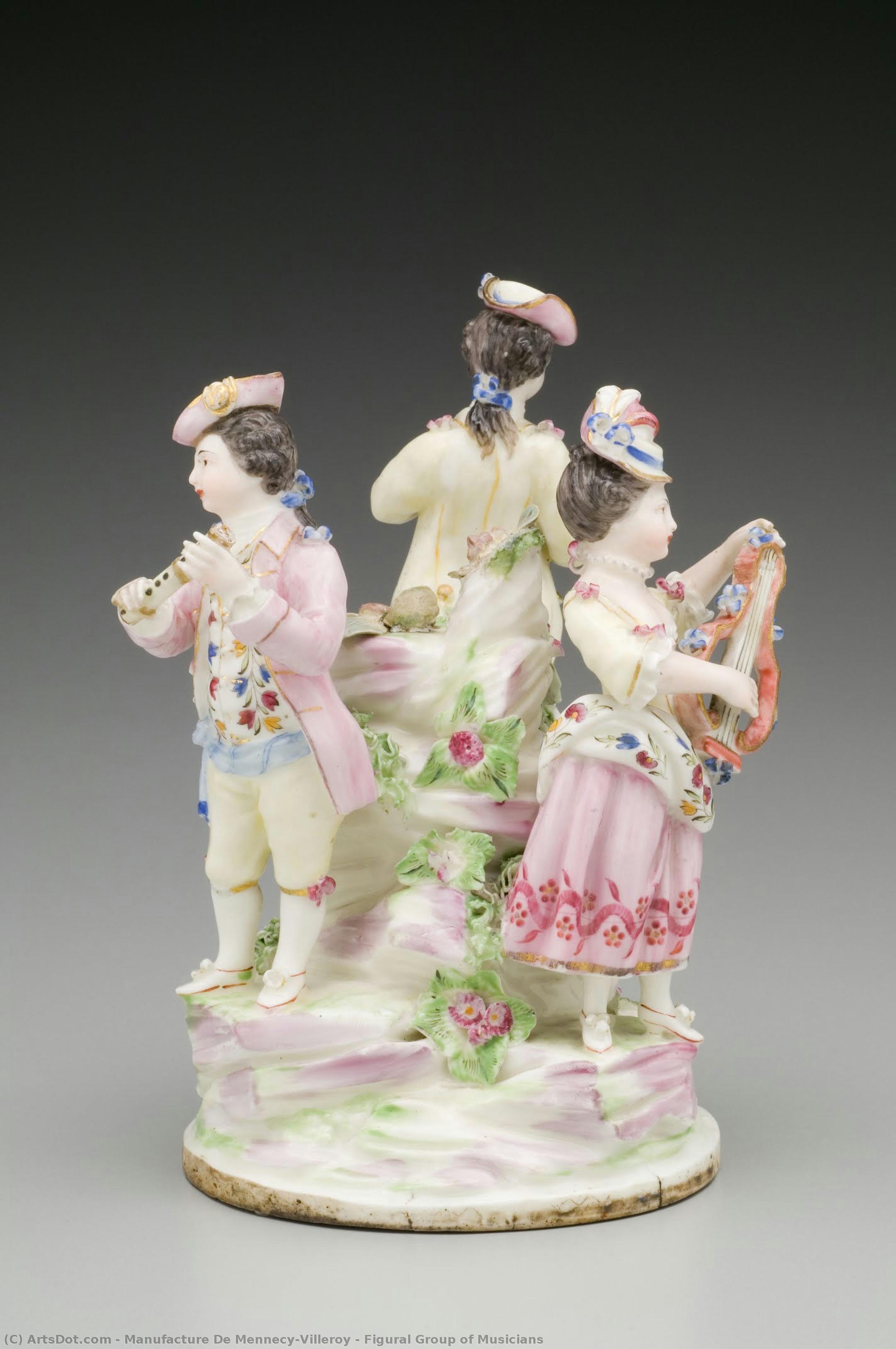
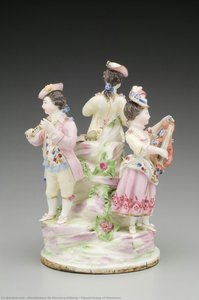
Figural Group of Musicians

 Read More
Giclée / Art Print
Museum-quality giclée or canvas print with fast production and flexible finish options. ( Buy Hand Made Painting Buy Image)




































Pick from our preset sizes that match the artwork's original proportions.

You may enter your own dimensions to fit a specific frame or space. If your selected size does not match the original image's proportions, we will either crop the artwork or extend the image with a mirrored or solid-fill edge. A digital mockup will be sent for your approval before production begins.
Please note that the on-screen preview does not reflect the actual cropping or extension. Only the mockup will accurately show the final composition.
While custom sizes are available, we recommend selecting a dimension from the predefined list to preserve the original proportions.
Worldwide Delivery () in 2 weeks instead of standard 4/5 weeks. (30 August)

Free Worldwide Express Shipping

High-Quality Linen Canvas

Full Shipping Insurance

Customs Tax Refund Guarantee

True Color Matching Guarantee

60-Day Return Policy (Defects Only)

100% Money-Back Guarantee

Bulk Discount Offer
 Glass option is only available in size under 110 CM

Figural Group of Musicians
Giclée / Art Print
Reproduction Size
-


Total Price
$ 63
Related Artworks






Artist Biography
The Enduring Legacy of Manufacture de Mennecy-Villeroy: From Royal Faience to Artistic Innovation
The story of Manufacture de Mennecy-Villeroy is not that of a single artist, but rather the fascinating chronicle of a French workshop – a crucible of creativity spanning centuries and evolving with the tastes of kings, nobility, and an increasingly discerning public. Founded in 1673 by François Garnier, apothecary to Louis XIV, the initial purpose wasn’t artistic ambition, but the production of medicinal earthenware. However, the proximity to the royal court at Versailles and a keen understanding of emerging aesthetic trends quickly steered Mennecy towards the creation of *faience*, a tin-glazed pottery celebrated for its vibrant colors and delicate forms. Garnier's son, Nicolas, formally established the factory in 1693, marking the true beginning of Mennecy’s artistic journey. The early decades were characterized by imitation – skillfully replicating porcelain from the East, particularly Chinese examples coveted by the French aristocracy. This wasn’t mere copying; it was a process of adaptation and refinement, laying the groundwork for uniquely French styles.A Flourishing Under Royal Patronage and Artistic Experimentation
The 18th century witnessed Mennecy's golden age. The factory secured royal patronage, becoming an official supplier to the court, a distinction that fueled both production and innovation. Artists like Jacques Dubois, known for his depictions of allegorical scenes and playful figures, and Antoine Robert, celebrated for his mastery of *chinoiseries*, contributed significantly to the workshop’s growing reputation. Mennecy didn't simply reproduce existing motifs; it infused them with a distinctly French sensibility – lighter palettes, more naturalistic forms, and an emphasis on narrative detail. The factory became renowned for its diverse repertoire: plates adorned with scenes from mythology and literature, elaborate perfume burners shaped like exotic birds, intricate figurines capturing the spirit of the Rococo era, and even practical objects like pitchers and ewers transformed into works of art. The influence of painters such as Watteau and Boucher is palpable in the delicate brushwork and idyllic subject matter that characterized much of Mennecy’s output. The workshop also pioneered new techniques, including the use of *transfer printing* to reproduce complex designs with greater efficiency and precision, making faience more accessible to a wider audience.Challenges, Transitions, and the Villeroy Acquisition
Despite its success, Mennecy faced increasing competition from other French factories, particularly those in Saint-Cloud and Chantilly. The economic turmoil of the late 18th century, culminating in the French Revolution, brought significant challenges. Production slowed, and the factory changed hands several times. The early 19th century saw a period of decline, with Mennecy struggling to adapt to changing tastes. However, a pivotal moment arrived in 1847 when the Villeroy family acquired the factory, merging it with their own established porcelain manufactory in Sarreguemines. This acquisition proved crucial for Mennecy’s survival. The Villeroy family invested in new technologies and expanded production while retaining many of the traditional designs and techniques that had made Mennecy famous. The combined entity continued to produce faience alongside porcelain, catering to both domestic and international markets.Mennecy-Villeroy’s Enduring Influence on Decorative Arts
While no longer operating as an independent workshop, the legacy of Manufacture de Mennecy-Villeroy continues to resonate in the world of decorative arts. The faience produced during its peak years is highly sought after by collectors and museums worldwide. Its influence can be seen in the work of later ceramic artists who drew inspiration from its vibrant colors, delicate forms, and playful subject matter. The factory’s contribution extended beyond aesthetics; it played a significant role in establishing France as a center for faience production, rivaling even Italy and Spain. Mennecy's innovative use of transfer printing democratized access to decorative arts, allowing a broader segment of society to enjoy beautiful objects previously reserved for the elite. Today, pieces from Mennecy-Villeroy serve as tangible reminders of a bygone era – a testament to the enduring power of artistic craftsmanship and the evolving tastes of French society. The workshop’s story is a compelling example of how a humble beginning can blossom into a legacy of beauty and innovation, shaping the landscape of decorative arts for generations to come.Key Characteristics & Collecting Mennecy-Villeroy
- Subject Matter: Mythological scenes, allegories, *chinoiseries*, floral motifs, and depictions of everyday life.
- Color Palette: Vibrant blues (often influenced by cobalt), greens, yellows, oranges, and purples. The use of enamel gilding was also common.
- Forms: Plates, perfume burners, figurines, pitchers, ewers, boxes, and other decorative objects.
- Marks & Signatures: Early pieces often bear the “M” mark or the initials of the artist. Later pieces will include Villeroy marks alongside Mennecy identifiers.
- Rarity & Value: Pieces from the 18th century, particularly those by renowned artists like Dubois and Robert, are highly valued. Condition plays a significant role in determining value.
Quick Facts
- Artistic Movement Or Style: Faience Pottery
- Date Of Death: Living
- Full Name: Manufacture De Mennecy-Villeroy