 Preview
 Send
Send Share
Share
 Details

 Download
 Similars
 X-Ray
X-Ray Diaporama
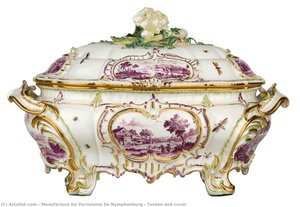
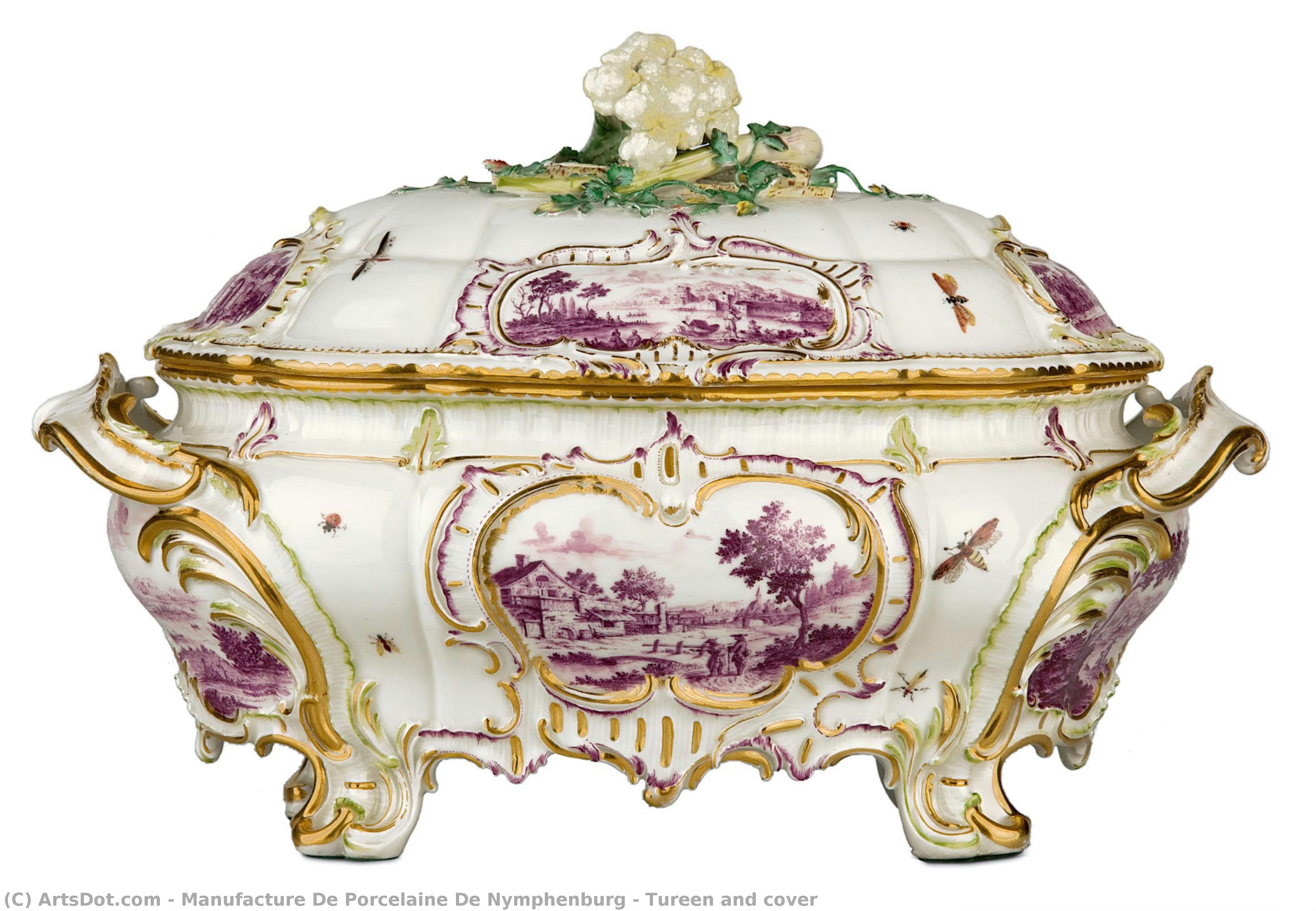
Tureen and cover
 1755
1755 33.0 x 21.0 cm
 Art Gallery of South Australia
 Read More
Giclée / Art Print
Museum-quality giclée or canvas print with fast production and flexible finish options. ( Buy Hand Made Painting Buy Image)




































Pick from our preset sizes that match the artwork's original proportions.

You may enter your own dimensions to fit a specific frame or space. If your selected size does not match the original image's proportions, we will either crop the artwork or extend the image with a mirrored or solid-fill edge. A digital mockup will be sent for your approval before production begins.
Please note that the on-screen preview does not reflect the actual cropping or extension. Only the mockup will accurately show the final composition.
While custom sizes are available, we recommend selecting a dimension from the predefined list to preserve the original proportions.
Worldwide Delivery () in 2 weeks instead of standard 4/5 weeks. (3 September)

Free Worldwide Express Shipping

High-Quality Linen Canvas

Full Shipping Insurance

Customs Tax Refund Guarantee

True Color Matching Guarantee

60-Day Return Policy (Defects Only)

100% Money-Back Guarantee

Bulk Discount Offer
 Glass option is only available in size under 110 CM

Tureen and cover
Giclée / Art Print
Reproduction Size
-


Total Price
$ 63
Related Artworks



Artist Biography
The Enduring Legacy of Nymphenburg Porcelain
The Manufacture de Porcelaine de Nymphenburg, more commonly known as the Nymphenburg Porcelain Manufactory, isn't simply a workshop; it’s a testament to Bavarian ambition, artistic innovation, and the enduring allure of exquisite craftsmanship. Founded in 1743 by Elector Charles Albert of Bavaria, its story is inextricably linked to the political aspirations of its founder and the desire to rival the renowned porcelain production of Meissen, then dominating the European market. Charles Albert envisioned a self-sufficient court, capable of producing luxury goods independent of foreign influence – and porcelain, with its delicate beauty and association with aristocratic refinement, was central to this vision. The initial years were fraught with challenges; replicating the coveted hard-paste porcelain formula proved elusive. However, in 1745, success arrived with the discovery of local clay deposits suitable for soft-paste production, marking a pivotal moment in the manufactory’s history and setting it on a path to becoming one of Europe's most celebrated porcelain ateliers.From Rococo Splendor to Neoclassical Restraint
The early aesthetic of Nymphenburg was deeply rooted in the Rococo style, mirroring the opulent tastes of the Bavarian court. Figures were characterized by their graceful forms, playful narratives, and delicate pastel colors. Sculptors like Franz Anton Bustelli, a pivotal figure in the manufactory’s development, elevated porcelain modeling to an art form. His allegorical figures, often depicting putti engaged in everyday activities or representing the months of the year, became instantly recognizable symbols of Nymphenburg's artistry. These weren’t merely decorative objects; they were imbued with a sense of wit and charm, reflecting the lighthearted spirit of the era. As tastes evolved during the latter half of the 18th century, Nymphenburg seamlessly transitioned to the Neoclassical style. The emphasis shifted towards greater formality, classical motifs, and a refined palette inspired by ancient Greek and Roman art. This period saw the creation of elaborate services adorned with scenes from mythology and history, demonstrating the manufactory’s ability to adapt to changing artistic currents while maintaining its commitment to exceptional quality.Technical Mastery and Artistic Innovation
Nymphenburg distinguished itself not only through its aesthetic achievements but also through its pioneering technical innovations. The development of *gruppens*, complex sculptural groups depicting elaborate scenes, showcased the extraordinary skill of Nymphenburg’s modelers and painters. These were incredibly challenging to produce, requiring meticulous attention to detail and a deep understanding of porcelain's properties. The manufactory also excelled in creating intricate relief molds, allowing for the mass production of decorative elements while preserving a high level of artistic fidelity. Furthermore, Nymphenburg was an early adopter of underglaze painting techniques, resulting in vibrant, durable decorations that have withstood the test of time. The commitment to experimentation and refinement extended beyond sculptural forms and decoration; the very composition of the porcelain paste itself was continually improved upon, leading to greater strength, translucency, and a distinctive warm tone characteristic of Nymphenburg wares.The 19th and 20th Centuries: Continuity and Modernity
The 19th century witnessed periods of both prosperity and upheaval for Nymphenburg. While the Napoleonic Wars brought temporary disruption, the manufactory quickly recovered, continuing to produce porcelain in established styles. However, a growing awareness of industrialization prompted a reevaluation of production methods and artistic direction. The introduction of new kilns and machinery allowed for increased output, but Nymphenburg remained steadfastly committed to hand-painting and finishing, preserving the artisanal quality that defined its reputation. The 20th century saw collaborations with prominent artists and designers, including Theo Schardt and Rosl Schleicher, who brought a modern sensibility to Nymphenburg’s designs. These partnerships resulted in innovative forms and patterns that appealed to contemporary tastes while honoring the manufactory's rich heritage. Today, Nymphenburg continues to thrive, producing both limited-edition art pieces and bespoke commissions, ensuring its legacy as a leading center for porcelain artistry endures into the 21st century.A Symbol of Bavarian Culture
The Manufacture de Porcelaine de Nymphenburg is more than just a producer of luxury goods; it’s an integral part of Bavaria's cultural identity. Its wares have graced royal palaces and private collections worldwide, serving as ambassadors for Bavarian artistry and craftsmanship. The manufactory’s archives hold a wealth of historical information, providing invaluable insights into the social, political, and artistic life of 18th-century Europe. The continued production of iconic models like Bustelli's allegorical figures ensures that Nymphenburg’s legacy remains visible and accessible to future generations. Its enduring appeal lies in its ability to seamlessly blend tradition with innovation, creating objects of timeless beauty that embody the spirit of artistic excellence. The commitment to preserving traditional techniques alongside embracing contemporary design has solidified Nymphenburg's position as a cultural treasure, a symbol of Bavarian pride and a testament to the power of human creativity.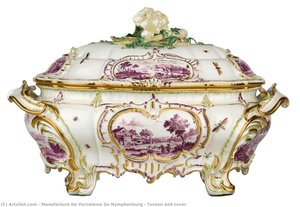
Quick Facts
- Artistic Movement Or Style: Porcelain Manufacturing
- Date Of Death: Living
- Full Name: Manufacture De Porcelaine De Nymphenburg