

 Preview
 Send
Send Share
Share
 Details

 Download
 Similars
 X-Ray
X-Ray Diaporama
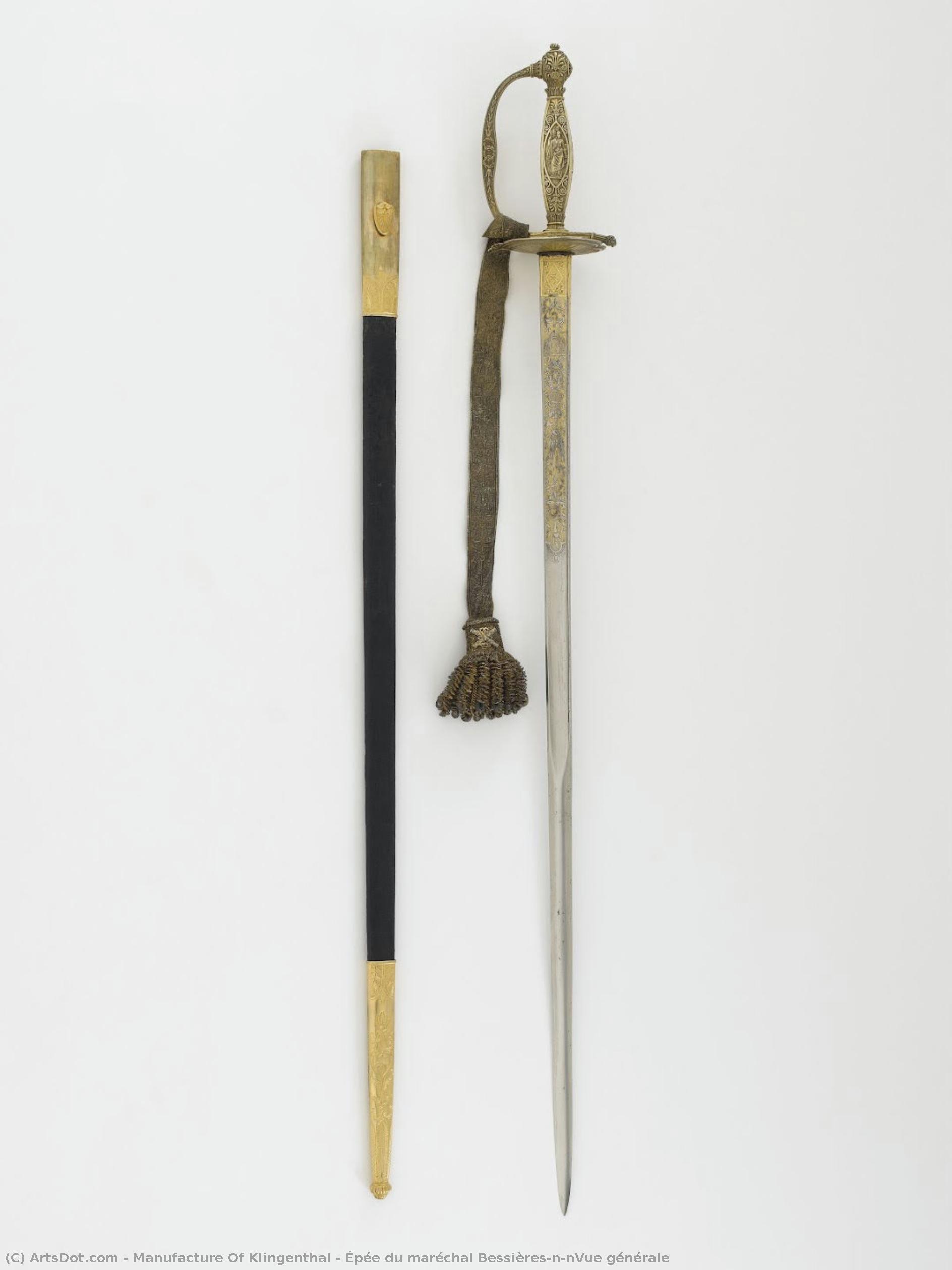
Épée du maréchal Bessières Vue générale

 Read More
Purchase a high-resolution, enhanced digital image, far superior to the online preview.
Each file is meticulously prepared by our in-house specialists using advanced tools and expert manual retouching. We ensure every image has exceptional clarity, precise color accuracy, and fine detail.
The final file is delivered via email within 72 hours, optimized for immediate use in professional, editorial, and print environments. This is the same quality trusted by top-tier design studios, publishers, and galleries.
Digital Image
Download a high-resolution file for personal display, printing, and creative projects. ( Buy Print Buy Hand Made Painting)
Included in Every Digital Image Order
Expert Digital Delivery, Guaranteed
When you choose ArtsDot.com, you're not just getting an image - you're receiving a professionally enhanced digital artwork, crafted with precision and backed by a satisfaction guarantee. Here's everything that comes with your order, automatically:

Fast Email Delivery
Your high-resolution digital image file will be emailed to you within 72 hours of ordering - ready for immediate use.

AI-Enhanced Digital File
Your artwork is professionally optimized using advanced AI tools and manual editing, ensuring maximum detail, clarity, and color accuracy.

Free Lifetime Re-Delivery
Accidentally deleted or lost your file? No worries - we'll resend it to you anytime, free of charge.

No Import Fees - Ever
Enjoy your artwork instantly with zero customs, duties, or delivery fees - digital downloads are always tax-free.

Color Accuracy Guarantee
We ensure your digital image reflects the original colors as closely as possible using professional tools and color management.

60-Day Satisfaction Guarantee
If you're not satisfied with your digital image, we'll revise it or refund 100% within 60 days - no questions asked.

100% Money-Back Guarantee
Not satisfied? Get a full refund within 60 days of receiving your digital file - no questions asked.

Bulk Order Discounts
Buy 3 images, save 10% - Buy 5, save 15% - Buy 10+, save 20%. Great for creative projects, galleries, and agencies.
Collectible Description
Related Artworks





Artist Biography
The Legacy of Klingenthal: A Center of Musical Craftsmanship
Klingenthal, a town nestled in the Vogtland region of Saxony, Germany, isn’t known for a single artist but rather as a collective—a vibrant hub of musical instrument making that flourished for centuries. Its story is one woven with threads of religious exile, entrepreneurial spirit, and an unwavering dedication to craftsmanship. While not a traditional biographical subject, understanding Klingenthal's history *is* understanding the lives and work of generations of luthiers, bow makers, harmonica producers, and more who shaped its identity. The town’s origins as a center for these arts trace back to the early 17th century, when families fleeing religious persecution in Bohemia sought refuge within its borders. These weren't merely skilled artisans; they were custodians of traditions passed down through generations, bringing with them expertise that would fundamentally alter the landscape of musical instrument production in Saxony.From Mining Town to Musical Valley
The seeds of Klingenthal’s artistic legacy were sown not in workshops but in mines. In the 1590s, Sebastian Köppel established a hammer mill near the border with Bohemia, capitalizing on rich iron ore deposits and abundant wood resources—essential for charcoal production. This initial industrial activity attracted settlers, including those seeking escape from the Counter-Reformation. The arrival of the Hobe family in the mid-1650s proved pivotal. They weren’t simply seeking a safe haven; they brought with them the art of violin making, establishing a tradition that would become synonymous with Klingenthal's name. The early luthiers found support from local authorities and quickly formed guilds to protect their craft and regulate production. The establishment of the Graslitz (Kraslice) guild in 1669, with Caspar Hobe as a founding member, marked a formal recognition of this burgeoning artistic community. This period wasn’t without hardship; settlers faced significant taxes and obligations, yet they persevered, driven by religious freedom and a passion for their work.The Rise of the Hopf School and Regional Styles
Caspar Hobe, later known as Caspar Hopf, is considered the progenitor of the “Hopf school” of violin making—a style characterized by solid musical quality rather than elaborate aesthetics. The emphasis was on functionality and reliable tone production, catering to a growing demand for affordable instruments. The 18th century saw Klingenthal luthiers develop distinct regional styles, often influenced by Italian models but adapted to suit local materials and preferences. While individual makers certainly possessed unique characteristics, a common thread of practicality and craftsmanship ran through their work. The town became a center for the production of violins, basses, bows, and other stringed instruments, supplying musicians across Europe and beyond. The growth wasn’t organic; merchants played an increasingly important role, facilitating trade and connecting Klingenthal makers with international markets. This dependence on traders, however, also meant that luthiers often had to prioritize quantity over artistic innovation.Industrialization and the Harmonikawerke
The 19th century brought significant changes to Klingenthal. While violin making continued, new industries emerged, most notably the production of accordions and harmonicas. This shift was driven by technological advancements and a growing demand for popular musical instruments. The establishment of the Klingenthaler Harmonikawerke (KHW) in 1949 marked a turning point. As a state-owned company in East Germany, KHW became the dominant force in the town’s economy, producing vast quantities of accordions and electronic instruments for both domestic consumption and export. The focus shifted from individual craftsmanship to mass production, with KHW employing a large workforce and implementing standardized manufacturing processes. While this brought economic stability, it also led to a decline in traditional violin making as resources and skilled labor were diverted towards the more lucrative accordion industry.Historical Significance and Enduring Craft
Klingenthal’s historical significance lies not in the work of a single master but in its collective contribution to the world of musical instrument making. The town fostered a unique environment where craftsmanship, innovation, and entrepreneurial spirit thrived for centuries. From its humble beginnings as a mining settlement to its rise as a center for violin production and later as an industrial hub, Klingenthal adapted to changing economic conditions while maintaining a commitment to quality. Although the state-owned KHW eventually faced challenges after German reunification, the town continues to honor its musical heritage through museums, workshops, and ongoing efforts to preserve traditional crafts. The story of Klingenthal serves as a powerful reminder that artistic excellence can flourish in unexpected places, driven by necessity, resilience, and a deep passion for creating beautiful things. The legacy of the luthiers who first settled in the valley continues to resonate today, inspiring new generations of artisans to carry on their traditions.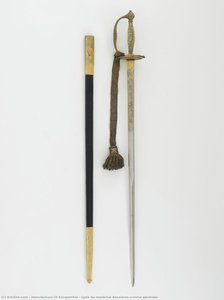
Quick Facts
- Artistic Movement Or Style: Blade manufacturing
- Full Name: Manufacture Of Klingenthal
- Notable Artworks: ['Épée du maréchal Bessières Vue générale']
- Origin: Klingenthal, Saxony, Germany

