

 Send
Send Share
Share
 Details

 Download
 Similars
 Diaporama
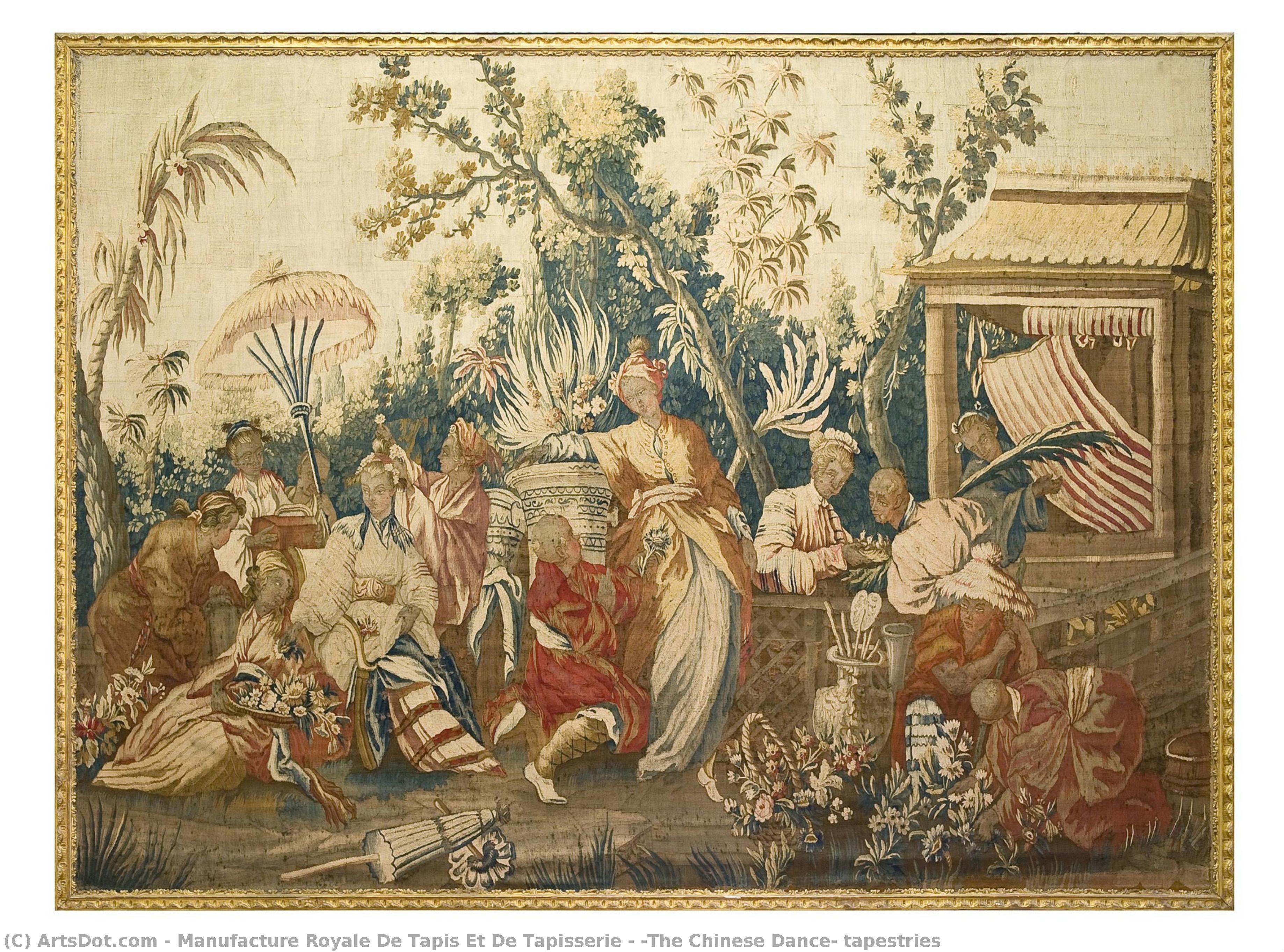
“The Chinese Dance” tapestries


 Read More
Purchase a high-resolution, enhanced digital image, far superior to the online preview.
Each file is meticulously prepared by our in-house specialists using advanced tools and expert manual retouching. We ensure every image has exceptional clarity, precise color accuracy, and fine detail.
The final file is delivered via email within 72 hours, optimized for immediate use in professional, editorial, and print environments. This is the same quality trusted by top-tier design studios, publishers, and galleries.
Digital Image
Download a high-resolution file for personal display, printing, and creative projects. ( Buy Print Buy Hand Made Painting)
Included in Every Digital Image Order
Expert Digital Delivery, Guaranteed
When you choose ArtsDot.com, you're not just getting an image - you're receiving a professionally enhanced digital artwork, crafted with precision and backed by a satisfaction guarantee. Here's everything that comes with your order, automatically:

Fast Email Delivery
Your high-resolution digital image file will be emailed to you within 72 hours of ordering - ready for immediate use.

AI-Enhanced Digital File
Your artwork is professionally optimized using advanced AI tools and manual editing, ensuring maximum detail, clarity, and color accuracy.

Free Lifetime Re-Delivery
Accidentally deleted or lost your file? No worries - we'll resend it to you anytime, free of charge.

No Import Fees - Ever
Enjoy your artwork instantly with zero customs, duties, or delivery fees - digital downloads are always tax-free.

Color Accuracy Guarantee
We ensure your digital image reflects the original colors as closely as possible using professional tools and color management.

60-Day Satisfaction Guarantee
If you're not satisfied with your digital image, we'll revise it or refund 100% within 60 days - no questions asked.

100% Money-Back Guarantee
Not satisfied? Get a full refund within 60 days of receiving your digital file - no questions asked.

Bulk Order Discounts
Buy 3 images, save 10% - Buy 5, save 15% - Buy 10+, save 20%. Great for creative projects, galleries, and agencies.
Related Artworks

Artist Biography
The Aubusson Tapestry Renaissance: A Legacy of Royal Manufacture
The story of Manufacture Royale de Tapis et de Tapisserie is inextricably linked to the rich history of Aubusson, a small town in central France that has been synonymous with tapestry weaving since the Middle Ages. While individual workshops existed for centuries prior, it was in the early 18th century that Aubusson began its ascent as a center for royal production, catering to an increasingly sophisticated clientele demanding luxurious and elaborate wall hangings. The formal establishment of what would become Manufacture Royale wasn’t a singular event but rather a gradual consolidation of skilled artisans and workshops under royal patronage. Initially, these tapestries were prized for their vibrant colors, intricate designs often depicting mythological scenes or pastoral landscapes, and the sheer artistry involved in translating painted compositions into woven form. The early weavers drew heavily on established traditions – Flemish tapestry techniques were particularly influential – but quickly developed a distinctive style characterized by a lighter palette, more fluid forms, and an emphasis on decorative detail. The demand for Aubusson tapestries soared throughout the 18th century, becoming a symbol of wealth, status, and refined taste among European nobility.Demy-Doineau et Braquenié: Formalizing Royal Production
The year 1823 marks a pivotal moment with the founding of the firm by Pierre-Antoine Doineau and his wife Louise-Desirée Doineau, laying the groundwork for the future Manufacture Royale. However, it was the partnership with Jean Braquenié in 1840 that truly propelled the workshop to prominence. Braquenié’s family had a long history in textile design, bringing valuable expertise and connections to the enterprise. In 1842, the firm officially adopted the name Demy-Doineau et Braquenié, Manufacture Royale de Tapis et de Tapisserie, signifying its official status as a royal supplier. This designation wasn’t merely ceremonial; it came with strict standards of quality and craftsmanship, ensuring that every tapestry produced met the exacting requirements of the court. The 1844 French Industrial Exposition in Paris provided a crucial platform for showcasing their work to a wider audience, solidifying Aubusson's reputation as a leading center for luxury textile production. The tapestries exhibited at this exposition were not simply decorative objects; they represented a fusion of artistic vision and technical mastery, demonstrating the firm’s ability to execute complex designs with unparalleled precision and beauty.The Braquenié Brothers and Expansion
Following Jean Braquenié's passing, his brothers Alexandre and Charles-Henri took over in 1858, renaming the company Braquenié frères. This transition marked a period of further expansion and innovation. They didn’t simply rest on their existing laurels but actively sought to modernize production techniques while preserving the core artistic values that defined Aubusson tapestry. The firm expanded its facilities, opening a factory in Felletin, France, in 1898, allowing for increased capacity and greater control over the entire manufacturing process – from dye preparation to weaving and finishing. Braquenié frères also cultivated relationships with prominent artists and designers of the era, commissioning new designs that reflected contemporary aesthetic trends. Their clientele continued to include royalty—Kings Louis-Philippe and Napoléon III were significant patrons—but they also attracted a growing number of wealthy private collectors and institutions. The firm’s ability to adapt to changing tastes while maintaining its commitment to quality ensured its continued success throughout the 19th century.A Legacy Endures: Techniques, Influences & Modern Revival
The techniques employed by Manufacture Royale de Tapis et de Tapisserie were remarkably complex and labor-intensive. Each tapestry was woven on a vertical loom using wool, silk, linen, and sometimes even gold or silver threads. The process began with the creation of a full-scale cartoon – a painted design that served as a guide for the weavers. Skilled artisans then meticulously followed this cartoon, knotting each thread individually to create the intricate patterns and vibrant colors. The use of natural dyes derived from plants and minerals was crucial in achieving the rich hues characteristic of Aubusson tapestries. The firm’s designs were influenced by a wide range of sources, including classical mythology, Renaissance paintings, Baroque art, and contemporary fashion. They also drew inspiration from nature, incorporating floral motifs, animal figures, and landscapes into their compositions. Despite facing challenges in the 20th century – including economic downturns and changing consumer preferences – the tradition of Aubusson tapestry weaving has persevered. Today, Tapisserie Royale continues to operate, breathing new life into this historic art form by applying unique artisan skills and reviving the know-how of generations of weavers. The company’s commitment to handcraftsmanship and its dedication to preserving the legacy of Aubusson ensure that these exquisite tapestries will continue to be admired for centuries to come. The acquisition of the firm's designs by Pierre Frey in 1991 further cemented their place in contemporary interior design, allowing for a wider dissemination of these timeless motifs. The UNESCO recognition of Aubusson as a world heritage site underscores the cultural significance of this remarkable tradition and its enduring contribution to the art of tapestry weaving.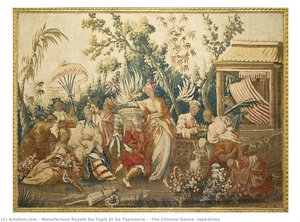
Quick Facts
- Artistic Movement Or Style: Tapestry, Fine Carpet
- Date Of Death: Living
- Full Name: Manufacture Royale De Tapis Et De Tapisserie
- Notable Artworks: ['The Chinese Dance tapestries']

