 Preview
 Send
Send Share
Share
 Details

 Download
 Similars
 X-Ray
X-Ray Diaporama
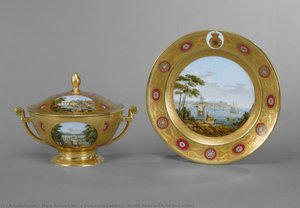
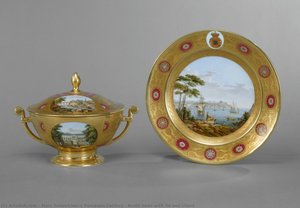
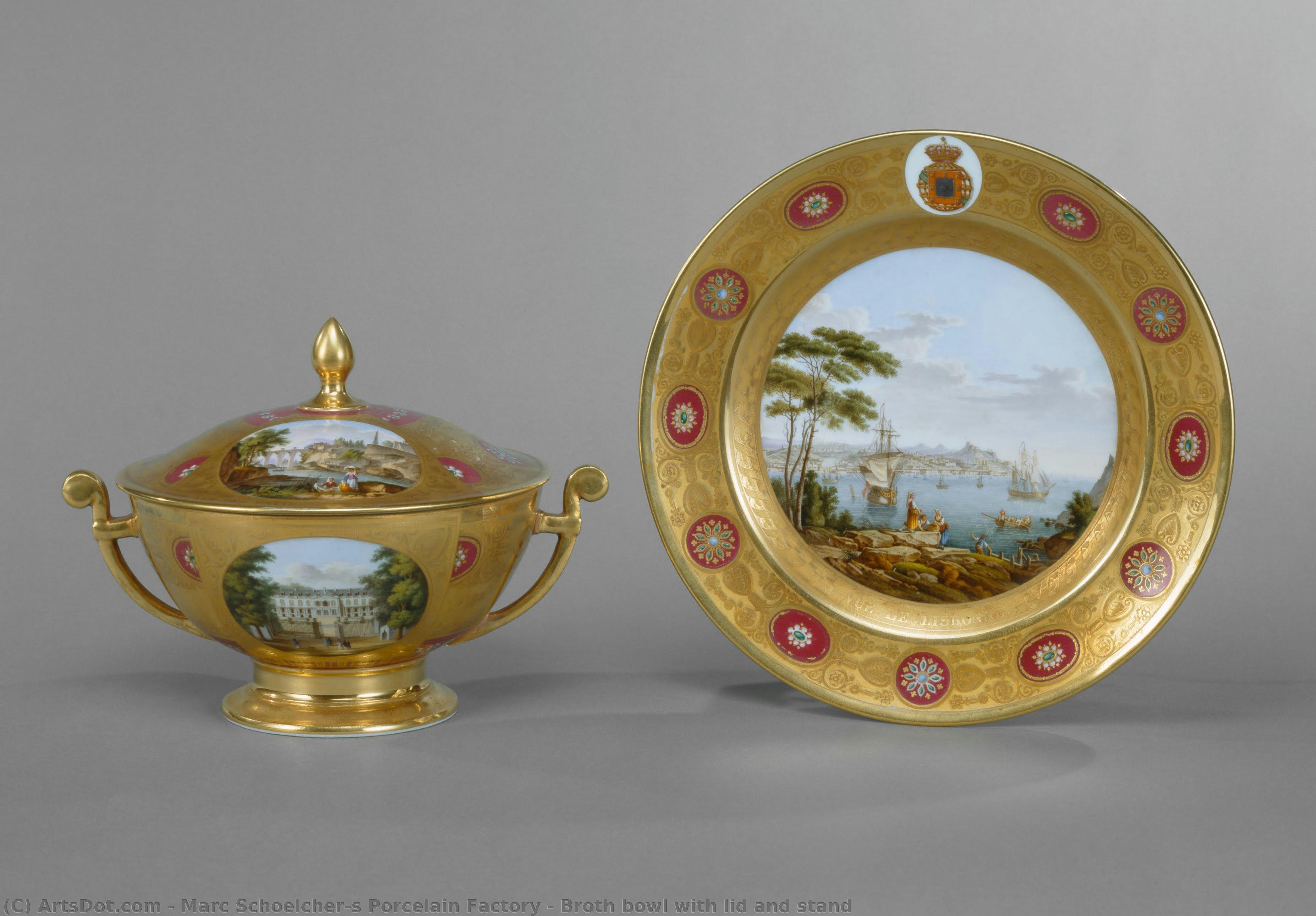
Broth bowl with lid and stand

 Read More
Giclée / Art Print
Museum-quality giclée or canvas print with fast production and flexible finish options. ( Buy Hand Made Painting Buy Image)




































Pick from our preset sizes that match the artwork's original proportions.

You may enter your own dimensions to fit a specific frame or space. If your selected size does not match the original image's proportions, we will either crop the artwork or extend the image with a mirrored or solid-fill edge. A digital mockup will be sent for your approval before production begins.
Please note that the on-screen preview does not reflect the actual cropping or extension. Only the mockup will accurately show the final composition.
While custom sizes are available, we recommend selecting a dimension from the predefined list to preserve the original proportions.
Worldwide Delivery () in 2 weeks instead of standard 4/5 weeks. (29 August)

Free Worldwide Express Shipping

High-Quality Linen Canvas

Full Shipping Insurance

Customs Tax Refund Guarantee

True Color Matching Guarantee

60-Day Return Policy (Defects Only)

100% Money-Back Guarantee

Bulk Discount Offer
 Glass option is only available in size under 110 CM

Broth bowl with lid and stand
Giclée / Art Print
Reproduction Size
-


Total Price
$ 63
Related Artworks









Artist Biography
The Enigmatic World of Porcelain: Schoelcher's Legacy
The name Schoelcher, when encountered in the realm of decorative arts, evokes a sense of refined elegance and historical complexity. While often associated with abolitionist Victor Schoelcher, a figure whose moral compass steered him towards social justice, our focus lies on his lesser-known relative, a porcelain manufacturer who flourished during the 19th century. This Schoelcher – let us refer to him as Jean-Baptiste Schoelcher for clarity – wasn’t driven by political reform but by an artistic vision centered around the delicate beauty and technical mastery of porcelain. His story is one interwoven with the burgeoning industrial revolution, the shifting tastes of a wealthy clientele, and the enduring allure of French craftsmanship.
Born in France during a period of significant societal change, Jean-Baptiste Schoelcher inherited not only a family name but also a keen understanding of commerce and aesthetics. Details regarding his early life remain somewhat elusive; however, it is known that he established his porcelain factory – often referred to simply as “Schoelcher’s Porcelain” – in the heart of Limoges, a region already celebrated for its exceptional ceramic production. He didn't merely replicate existing styles; instead, he sought to innovate, blending traditional techniques with contemporary designs influenced by both Eastern motifs and the emerging Art Nouveau movement.
A Fusion of Styles: Schoelcher’s Artistic Development
Schoelcher’s early work demonstrated a clear adherence to the prevailing Rococo revival style. Delicate floral patterns, gilded accents, and asymmetrical compositions characterized these initial pieces, catering to an aristocratic clientele accustomed to opulence. However, his artistic journey quickly diverged from strict imitation. A pivotal moment came with his exposure to Japanese porcelain – known as *Imari* and *Satsuma* wares – which arrived in Europe during the mid-19th century. The bold colors, dynamic compositions, and unconventional subject matter of these imports profoundly impacted Schoelcher’s aesthetic sensibilities.
He began incorporating elements of Japanese design into his own creations, albeit with a distinctly French interpretation. This fusion resulted in pieces that were both exotic and refined – featuring vibrant birds, blossoming branches, and intricate landscapes painted against backgrounds of rich cobalt blue or deep ruby red. Simultaneously, Schoelcher embraced the burgeoning Art Nouveau aesthetic, introducing flowing lines, organic forms, and depictions of natural elements like dragonflies, irises, and water lilies into his repertoire. His factory became known for its innovative use of *cloisonné* enamel techniques, adding another layer of complexity and visual richness to his porcelain.
Technical Innovation and the Pursuit of Perfection
Beyond aesthetic considerations, Schoelcher was a dedicated innovator in the realm of porcelain production. He invested heavily in new technologies, streamlining manufacturing processes while simultaneously maintaining an unwavering commitment to quality craftsmanship. His factory employed highly skilled artisans – painters, gilders, enamelists – who were encouraged to push the boundaries of their respective disciplines.
Schoelcher’s experimentation extended beyond surface decoration. He developed unique porcelain bodies known for their exceptional translucency and strength, allowing for increasingly delicate forms and intricate detailing. His pieces often featured complex molded reliefs, showcasing his mastery of sculptural techniques. The factory also became renowned for its production of elaborate dinner services, tea sets, and decorative vases – each piece a testament to Schoelcher’s dedication to artistic excellence.
Major Achievements and Historical Significance
While Schoelcher never achieved the widespread fame of some of his contemporaries – such as Sèvres or Limoges’ other prominent manufacturers – his work garnered significant recognition within elite circles. His porcelain was highly sought after by collectors, adorning the tables of wealthy industrialists, members of the aristocracy, and discerning art enthusiasts.
- Exhibition Successes: Schoelcher's pieces were regularly featured in prestigious exhibitions throughout Europe and North America, earning accolades for their innovative designs and technical brilliance.
- Royal Patronage: Although documentation is limited, anecdotal evidence suggests that Schoelcher received commissions from several European royal courts, further solidifying his reputation as a master craftsman.
- Influence on Art Nouveau Ceramics: His pioneering use of organic forms and flowing lines played a significant role in shaping the development of Art Nouveau ceramics, inspiring subsequent generations of artists.
Today, Schoelcher’s porcelain represents a fascinating intersection of artistic styles and technological innovation. It serves as a tangible reminder of a bygone era – an age characterized by both opulence and experimentation. His legacy lies not only in the exquisite beauty of his creations but also in his unwavering commitment to pushing the boundaries of ceramic art, leaving behind a collection that continues to captivate and inspire.
Further research is ongoing to fully document Schoelcher’s life and work, with scholars continuing to uncover new insights into this enigmatic figure and his enduring contribution to the world of porcelain.