 Preview
 Send
Send Share
Share
 Details

 Download
 Similars
 X-Ray
X-Ray Diaporama
El gran cristal-La novia desnudada por sus solteros


 Read More
Giclée / Art Print
Museum-quality giclée or canvas print with fast production and flexible finish options. ( Buy Hand Made Painting Buy Image)




P118B $10

P118H $10

P118W $10

P438Z $10

P508JH $12

P508YH $12

P805H $10

P805Z $10

P919BZ $10

P919G $10

P919XJ $10

P959ZH $10

P968JZ $12

W106C $8

W218G $10

W218JH $8

W218Y $10

W307PJ $10

W316G $10

W316PJ $8

W316Y $10

W398PJ $8

W4111J $10

W500HY $15

W500JH $15

W692G $12

W849H $8

W940BG $15

W953PJ $8




Pick from our preset sizes that match the artwork's original proportions.

You may enter your own dimensions to fit a specific frame or space. If your selected size does not match the original image's proportions, we will either crop the artwork or extend the image with a mirrored or solid-fill edge. A digital mockup will be sent for your approval before production begins.
Please note that the on-screen preview does not reflect the actual cropping or extension. Only the mockup will accurately show the final composition.
While custom sizes are available, we recommend selecting a dimension from the predefined list to preserve the original proportions.
Worldwide Delivery () in 2 weeks instead of standard 4/5 weeks. (24 August)

Free Worldwide Express Shipping

High-Quality Linen Canvas

Full Shipping Insurance

Customs Tax Refund Guarantee

True Color Matching Guarantee

60-Day Return Policy (Defects Only)

100% Money-Back Guarantee

Bulk Discount Offer
 Glass option is only available in size under 110 CM

El gran cristal-La novia desnudada por sus solteros
Giclée / Art Print
Reproduction Size
-


Total Price
$ 63
Collectible Description
Marcel Duchamp’s El Gran Cristal – La Novia Desnudada Por Sus Solteros: A Conceptual Revelation
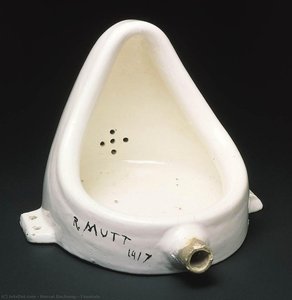
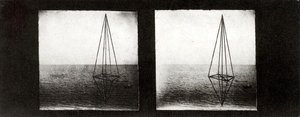
Marcel Duchamp's *El Gran Cristal - La Novia Desnudada Por Sus Solteros*, or “The Large Crystal – The Bride Undressed by Her Bachelors,” stands as a cornerstone of Dadaist art and a profound challenge to conventional artistic notions. Created between 1915 and 1923, this seemingly simple assemblage—a porcelain urinal signed "R. Mutt"—represents far more than just plumbing; it embodies Duchamp’s radical conceptual approach and cemented his legacy as one of the most influential figures in twentieth-century art history. This article delves into the artwork's significance, exploring its stylistic innovations, historical context, and enduring impact on artistic thought.The Genesis of Conceptual Art
Duchamp’s decision to elevate an everyday object—a urinal—to the realm of art wasn’t merely a prank; it was a deliberate provocation designed to dismantle established hierarchies within the art world. Dadaism, born from disillusionment with the horrors of World War I and fueled by anti-rationalist sentiments, rejected aesthetic conventions altogether. Duchamp's démarche – his act of choosing—became synonymous with conceptual art, prioritizing idea over execution and questioning the very definition of what constitutes “art.” As he famously stated, "The idea precedes the form." This assertion fundamentally shifted the focus from visual representation to intellectual inquiry, establishing a precedent for artists to explore concepts beyond traditional mediums.A Symphony of Materials and Technique
*El Gran Cristal* is constructed from meticulously arranged materials: sheets of glass, aluminum foil, wire mesh, and powdered metal—a deliberate contrast between natural elements (the glass) and industrial components. Duchamp’s painstaking craftsmanship underscores the paradoxical nature of his project; he achieves artistic impact not through skillful manipulation of pigment or form but through careful selection and placement of objects. The process itself became as important as the final product, reflecting Dada's rejection of virtuosity and celebrating chance encounters between disparate elements. Detailed studies and preparatory sketches reveal Duchamp’s meticulous attention to detail—a testament to his dedication to exploring new artistic possibilities.Symbolism Beyond Surface Appearance
Despite its austere aesthetic, *El Gran Cristal* is laden with symbolic resonance. The urinal represents the mundane, the commonplace – a symbol of domesticity and sexuality juxtaposed against the backdrop of male figures attempting to undress it. This deliberate pairing speaks to anxieties surrounding masculinity, vulnerability, and the pressures exerted by societal expectations. Furthermore, the glass itself symbolizes transparency—a desire to expose hidden truths and challenge accepted norms. The positioning of the figures – one dominant, one submissive – reinforces these themes, prompting viewers to contemplate questions about power dynamics and artistic representation.Legacy and Influence
*El Gran Cristal*’s impact on subsequent generations of artists is undeniable. It established Duchamp as a pioneer of conceptual art and inspired countless creatives to embrace similar approaches—questioning assumptions, disrupting conventions, and prioritizing ideas over visual beauty. Its influence extends beyond the realm of sculpture; it has permeated various artistic disciplines, encouraging experimentation with unconventional materials and challenging traditional notions of authorship. Today, reproductions of *El Gran Cristal* continue to fascinate collectors and inspire interior designers seeking to infuse their spaces with intellectual provocation and artistic innovation. It remains a powerful reminder that art can transcend mere visual gratification—it can provoke thought, stimulate debate, and reshape our understanding of the world around us.Related Artworks
Artist Biography
A Revolutionary Spirit: The Life and Art of Marcel Duchamp
Marcel Duchamp, born Henri-Robert-Marcel Duchamp in 1887 in Blainville-Crevon, Normandy, was more than an artist; he was a philosophical provocateur who fundamentally altered the course of modern art. His early life, though seemingly conventional – nurtured within a family that appreciated artistic expression with both brothers pursuing successful careers as artists – hinted at the iconoclasm to come. Duchamp initially pursued formal training, mastering traditional techniques and experimenting with post-impressionist styles. However, this academic foundation served not as an end in itself, but as a springboard for questioning the very nature of art, its purpose, and its definition. He wasn’t content merely to depict the world; he sought to challenge how we perceive it, and what constitutes artistic value. This restless intellectual curiosity would become the defining characteristic of his prolific career.From Cubism to Dada: A Rejection of Convention
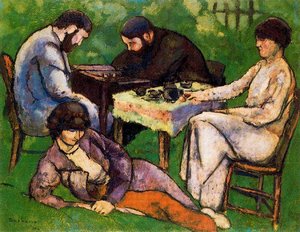
Duchamp's artistic journey was marked by a constant evolution, a deliberate shedding of established norms. His initial engagement with Cubism, evident in works like *Portrait of Chess Players* (1911), demonstrated an interest in fragmented forms and multiple perspectives – a departure from traditional representation. Yet, he quickly moved beyond purely aesthetic concerns, recognizing that simply rearranging visual elements wasn’t enough to address the deeper questions swirling within him. The horrors of World War I fueled this discontent, leading Duchamp to embrace Dadaism, a movement born out of disillusionment and a rejection of logic, reason, and traditional artistic values. It was within the Dadaist framework that Duchamp truly began to dismantle conventional notions of art. He wasn’t interested in creating beautiful objects; he wanted to provoke thought, challenge assumptions, and expose the arbitrariness of aesthetic judgment. This period saw the birth of his most radical innovation: the ‘readymade’.The Readymades and the Subversion of Art
The introduction of readymades – ordinary manufactured objects selected and presented as art – was Duchamp’s most significant contribution to the 20th century. These weren't simply found objects; they were deliberate acts of artistic subversion. By taking an everyday item, like a urinal (*Fountain*, 1917), signing it “R. Mutt,” and submitting it to an art exhibition, Duchamp challenged the very definition of artistic skill and authorship. Was it the artist’s hand that created the work, or was it the artist's *idea*? This question became central to his practice and laid the groundwork for Conceptual Art. Other notable readymades like *L.H.O.O.Q.* (1919), a postcard reproduction of the Mona Lisa defaced with a mustache and goatee, were playful yet pointed critiques of art history and established cultural icons. These works weren’t meant to be admired for their aesthetic qualities; they were intended to provoke debate and force viewers to reconsider their preconceived notions about what constitutes art. Duchamp believed that art should reside in the mind, not merely in the eye.Legacy and Enduring Influence
Marcel Duchamp's impact on subsequent generations of artists is immeasurable. He fundamentally altered our understanding of art, paving the way for movements like Conceptual Art, Minimalism, Pop Art, and countless others. His emphasis on the artist’s idea – the concept behind the work – over its aesthetic qualities continues to inspire artists today.- Cubism: Early exploration of fractured forms and spatial representation.
- Dadaism: Rejection of logic, reason, and traditional artistic values in response to World War I.
- Conceptual Art: Emphasis on the idea behind the artwork rather than its aesthetic qualities.
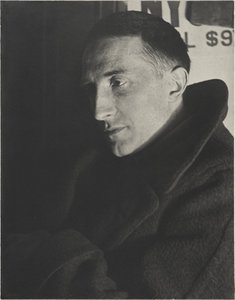
Marcel Duchamp
1887 - 1968 , France
Quick Facts
- Artistic Movement Or Style:
- Cubism
- Dadaism
- Conceptual Art
- Artists Or Movements Influenced By This Artist:
- Conceptual Art
- Pop Art
- Minimalism
- Date Of Birth: July 28, 1887
- Date Of Death: October 2, 1968
- Full Name: Marcel Duchamp
- Nationality: French-American
- Notable Artworks:
- Fountain
- L.H.O.O.Q.
- The Large Glass
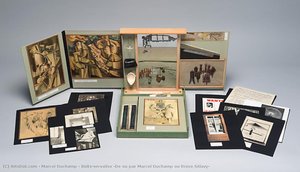
- Boîte-en-valise
- Place Of Birth: Blainville, France
Related Articles

Bronze Sculptures That Defined Art History | ArtsDot
Journey through art history with our Top 10 bronze sculptures! Explore masterpieces by Rodin, Michelangelo & more. Discover stories behind iconic statues and find museum-quality reproductions for your home decor at ArtsDot.com.
Marcel Duchamp: Challenging Conventions & Redefining Art in the 20th Century
Explore the revolutionary art of Marcel Duchamp! Discover how his Dadaist readymades challenged artistic conventions & redefined modern art. A deep dive into 'Fountain', conceptual shifts, and his lasting impact.

The Enduring Form: Exploring Themes & Techniques in Sculpture Across Historical Periods
Explore the rich history of sculpture from ancient masterpieces to contemporary innovations. Discover key techniques, influential artists & investment potential for discerning art collectors.

Bronze Age to Modern Masters: 10 Sculptures That Redefined Art | ArtsDot
Journey through art history with 10 legendary bronze sculptures – from Michelangelo's David to Rodin’s Thinker. Explore the stories, techniques & timeless beauty of these masterpieces. Find museum-quality reproductions & elevate your home decor on ArtsDot.com.
The Enduring Form: Sculpture Across History, Technique & Emotional Resonance
Explore the rich history of sculpture with ArtsDot. Discover key techniques, influential artists & investment potential for discerning collectors. Expert insights into valuing and collecting timeless masterpieces.